Open Letter of 320 NGOs on the Hungarian Bill entitled “Transparency of Public Life”


On 22 May 2025, SolidarityNow, along with 319 other civil society organizations, signed an open letter addressed to European Commission President Ursula von der Leyen and Commissioner for Democracy, Justice, the Rule of Law, and Consumer Protection, Michael McGrath.

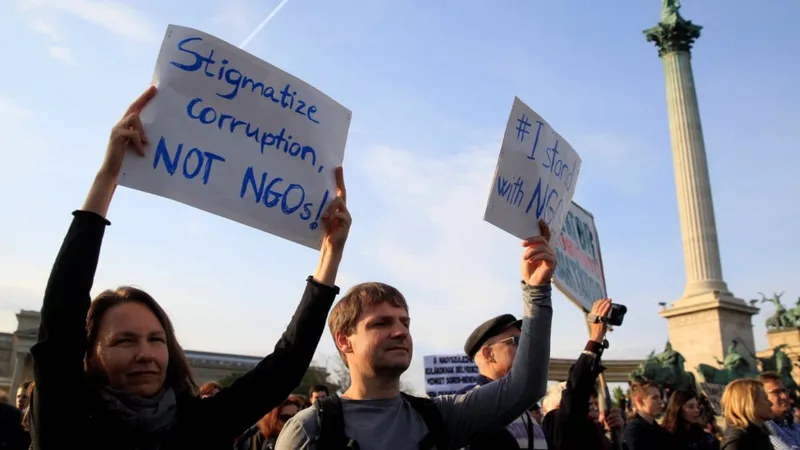
The letter raises alarm over a new Hungarian bill titled “Transparency of Public Life”, submitted on 13 May 2025 by a member of the ruling Fidesz party. Civil society has labelled it “Operation Starve and Strangle” due to its severe impact on NGOs, media, and independent voices. The bill would allow the government to label organizations as threats to sovereignty, restrict their funding, and even dissolve them, all without due process or clear legal definitions.

The proposed law violates core EU principles, including the freedom of association, freedom of expression, the free movement of capital, data protection regulations (GDPR), and the right to judicial protection.

The letter calls on the Commission to:

  • Immediately request interim measures in the ongoing infringement case on Hungary’s Sovereignty Protection Office (Case C-829/24);
  • Demand the withdrawal of the bill or initiate a new infringement procedure;
  • Support the continuation of the Article 7(1) process at the upcoming Council hearing on 27 May 2025, given the worsening situation regarding the rule of law and fundamental rights in Hungary.

The signatories warn that failure to act risks undermining democracy, the rule of law, and fundamental rights in Hungary and the EU as a whole.

Read the whole Open Letter, here.
The Sevilla Manifesto


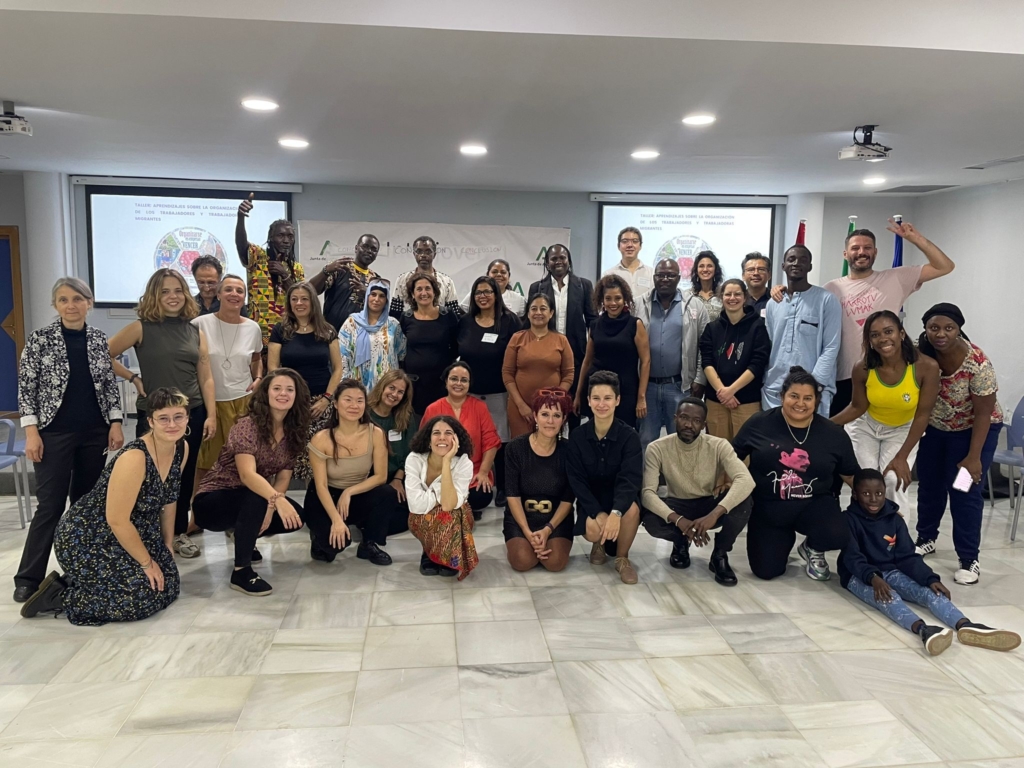
On the occasion of Labour Day 2025, the Sevilla Manifesto was published, highlighting the challenges of migrant workers across Europe, with a focus on Andalusia. It draws from a 2024 workshop in Seville with 27 organizations from 10 countries. A representative from SolidarityNow participated in the process.

The paper documents multiple rights violations and exploitation at work through unpaid overtime, the absence of contracts and institutional discrimination, with a particular impact on women and LGBTQI+ migrants.

It puts forward concrete recommendations to institutional actors to:

  • Ensure safe and effective reporting mechanisms for labour rights violations without risk of deportation.
  • Expand and simplify regularisation pathways for migrants in precarious conditions.
  • Guarantee access to healthcare, education, and housing, both legally and in practice.
  • Provide sustainable funding and spaces for community-based empowerment and activism.

You can find The Sevilla Manifesto here.

JOINT OPEN LETTER | 100+ NGOs ask for support from institutional & private donors, after US funding cuts


The major cuts in US funding for humanitarian aid and development support have serious implications for millions of displaced people around the world, but also for asylum and reception systems in Europe. Cuts in countries such as Ukraine, Afghanistan and South Africa are leading to increased needs and displacement, further burdening countries of first reception.

At this critical juncture, over 100 civil society organisations are warning of a looming crisis in asylum and humanitarian support and calling on the European Commission, Member States and private donors to take action. They call for an immediate review of funding priorities and increased support for civil society. The letter calls for flexible, stable and inclusive funding mechanisms that will allow civil society to continue its work, meet growing needs and make a substantial contribution to the implementation of a fair and humane asylum policy in Europe.

Read the Open Letter here, here.


Open Letter Against Racism and Discrimination


For yet another year, we, the undersigned, find ourselves in the uncomfortable position of expressing our deep concern over the normalization of far-right rhetoric across Europe. Unfortunately, this reality is reinforced by the election of Trump in the US where racist, homophobic, misogynistic, and generally intolerant discourse is a central element of the new US administration’s implemented policies, most notably the repeal of the Diversity, Equity and Inclusion (DEI) policies.

This new reality has also affected the European Union (EU), with the so-called Trump effect leading EU governments to express positions that previously seemed unthinkable.

The result of the latest European elections and national political developments confirm that the EU stands at a dangerous crossroads, yet we see no adequate political or institutional response from the EU institutions with the fundamental principles of the Union being in imminent danger.

The new geopolitical landscape contributes to the rise of nationalism and intolerance. Theories of cultural supremacy, population replacement, isolationism, xenophobia, xenophobia, anti-Semitism, Islamophobia, anti-Roma discrimination, sexism, homophobia, transphobia, misogyny, resentment, historical revisionism, tend to become the new normal.

In 2024, the world saw more wars and armed conflicts than at any time since World War II, with global displacement surpassing 120 million people.

The answer to this is more restrictive asylum policies, increased military spending and hate-filled rhetoric against the victims of wars.

Governments worldwide treat migration as a threat, focusing exclusively on preventing it rather than recognising it as a natural and enduring social phenomenon. Rather than promoting integration and protection, governments have criminalized migration, transforming it into a security issue. Billions of euros are spent on building walls, developing military infrastructure, and deploying advanced surveillance technologies, while those who defend migrant and refugee rights face suppression and persecution.

The escalating climate of hate speech against all that is different and against difference itself, highlights the need for the EU, a union of principles and values, to take more initiatives to against far-right rhetoric.

In Greece, we remain deeply concerned about the rule of law, recalling that the European Parliament and the European Commission have repeatedly called for improvements in the country in areas such as discrimination against LGBTI+, Roma communities, and other minorities, as well as issues related to domestic violence and police brutality. We emphasize the need to develop a comprehensive Action Plan Against Racism and Intolerance for Greece, since the previous one has expired 2 years ago, which will aim at creating an effective national system of support and protection for people experiencing discrimination and racist violence.

Meanwhile, the Greek judiciary systematically continues to fail in holding the executive accountable for illegal actions and abuse of power, many of which involve racist behaviour committed by state institutions. In a landmark decision in January 2025, the European Court of Human Rights (ECtHR) condemned Greece for the first time in the A.R.E. v. Greece case, on pushbacks, justifying the organisations that for years had been calling on EU authorities to intervene and end this “systematic practice” which violates international law and fundamental rights. Additionally, the judiciary remains ineffective in controlling police violence, with a new condemnation by the ECtHR in the recent Panagiotopoulos v. Greece case. The Court condemned the country, contrasting with national authorities’ persistent dismissal of such complaints due to alleged “insufficient evidence”.

Discrimination against vulnerable groups remains a persistent issue and is deeply tied to Greece’s broader rule of law crisis. We call on Greek and European authorities to take initiatives in every possible way to bring about real change in the issues of racism and discrimination.

The fight against discrimination and racism in Greece and Europe is a timely battle that can be won. A battle that must be won.

Co-signed by the following civil society organizations & communities from Greece and other European countries.

  1. Αιθιοπικό Κοινωνικό – Πολιτιστικό Κέντρο “Αιθίοψ” – Cultural Centre Ethiops
  2. Αλληλεγγύη Λέσβου ΑΜΚΕ- Lesvos Solidarity
  3. ΑΝΤΙΓΟΝΗ – Κέντρο Πληροφόρησης και Τεκμηρίωσης για τον Ρατσισμό, την Οικολογία, την Ειρήνη και τη Μη Βία
  4. ΑΝΤΙΡΑΤΣΙΣΤΙΚΟ ΔΙΚΤΥΟ ΠΑΝΕΠΙΣΤΗΜΙΟΥ ΑΙΓΑΙΟΥ (Α.Δ.Π.Α.)
  5. ΑΡΣΙΣ Κοινωνική Οργάνωση Υποστήριξης Νέων – ARSIS Association for the Social Support of Youth
  6. Αφγανική κοινότητα Μεταναστών και Προσφύγων στην Ελλάδα – Afghan Migrants and Refugees Community in Greece
  7. ΒΑΒΕΛ – Κέντρο Ημέρας Βαβέλ/Συν-ειρμός ΑμΚΕ Κοιν. Αλληλεγγύης – Babel DC Mental Health Unit for Migrants Day Care
  8. Δίκτυο για τα δικαιώματα του παιδιού – DDP / Network for children’s rights
  9. ΔΙΟΤΙΜΑ Κέντρο για τα έμφυλα δικαιώματα και την ισότητα – DIOTIMA Centre for gender rights and equality
  10. Ελληνική Ένωση για τα Δικαιώματα του Ανθρώπου-ΕλΕΔΑ – Hellenic League for Human Rights HLHR
  11. Ελληνικό Δίκτυο για την Καταπολέμηση της Φτώχειας – Hellenic Antipoverty Network
  12. Ελληνικό Δίκτυο Γυναικών Ευρώπης, ΕΔΓΕ, European Network of Women–Greece, (ENOWGreece)
  13. Ελληνικό Συμβούλιο για τους Πρόσφυγες – Greek Council for Refugees
  14. Ελληνικό Φόρουμ Μεταναστών – Greek Forum of Migrants
  15. Ελληνικό Φόρουμ Προσφύγων – Greek forum of Refugees
  16. Ενωμένη Ουκρανική Διασπορά – Ukrainian Diaspora Union
  17. Ένωση Ουκρανών Γυναικών – Ukrainian Women in Greece / Українки в Греції
  18. Ίριδα-Κέντρο Γυναικών – Irida Women’s Center
  19. Κοινωνική Παρέμβαση Δυτικά
  20. Πολιτιστικό Κέντρο Αφρικανικής Τέχνης και Πολιτισμών ΑΝΑΣΑ – Anasa Cultural Centre
  21. ΣΗΜΕΙΟ για τη μελέτη και την αντιμετώπιση της ακροδεξιάς – SIMEIO researching and confronting the far right
  22. Σύλλογος Νιγηριανών Γυναικών Ελλάδας – Nigerian Women Organization of Greece
  23. Σχεδία Κέντρο Παιδαγωγικής και Καλλιτεχνικής Επιμόρφωσης
  24. Σωματείο Υποστήριξης Διεμφυλικών ΣΥΔ – Transgender Association in Greece SYD
  25. Χάρτα της Ειδομένης – Charter of Idomeni
  26. AMKE SYMPLEXIS
  27. ART AND ACTION NETWORK GREECE – Δικτύου Τέχνης και Δράσης
  28. Athens Pride – Φεστιβάλ Υπερηφάνειας Αθήνας
  29. Changemakers Lab
  30. Cosmos of Culture/ Κοσμο-πολιτισμός
  31. Defence for children – Greece DCI
  32. El sistema Greece
  33. Generation 2.0 for Rights, Equality & Diversity
  34. Golden Dawn Watch
  35. HIAS Greece
  36. HumanRights360
  37. I HAVE RIGHTS. Samos
  38. INTER ALIA
  39. INTERSOS Hellas
  40. Jesuit Refugee Service Greece (JRS)
  41. Legal Centre Lesvos
  42. Lighthouse Relief
  43. MOBILE INFO TEAM
  44. PRAKSIS
  45. SCI Hellas
  46. Solidarity ΝΟW
  47. United African Women Organization – Ένωση Αφρικανών Γυναικών
  48. Velos youth center
  49. We Need Books

EU: AMENDMENT OF THE DIRECTIVE TO COMBAT TRAFFICKING IN HUMAN BEINGS


On June 13th, the European Parliament and the Council of Europe issued Directive 2024/1712 to member states, addressing the fight against human trafficking. This Directive updates the previous Directive 2011/36, which had already been incorporated into Greek law through Law 4198/2013 – Government Gazette A 215/11.10.2013.

With these amendments, the existing legislation is enhanced, providing public authorities with more tools to improve support for trafficking victims and to investigate and prosecute new forms of exploitation, including those taking place online.

Some key amendments include:

  1. New forms of exploitation recognized as components of human trafficking, such as forced marriage, surrogate motherhood, and illegal adoption, are added to the existing forms.
  2. Digital skills and relevant expertise among authorities are to be improved to address the rapid spread of human trafficking through technology.
  3. The need for a stricter criminal framework is emphasized, with judicial authorities urged to consider the dissemination of images, videos, or similar sexual content material related to the victim through information and communication technologies as an aggravating factor in human trafficking convictions.
  4. The promotion of training for professionals who may encounter potential trafficking victims and ensuring the development of technological skills among professionals.
  5. Member states are also called to ensure coordination between national referral mechanisms for trafficking victims and asylum authorities.

Member states have two years (until July 15, 2026) to align their national legislation with the Directive.

SolidarityNow closely follows legislative developments at the European Union level to combat human trafficking and protect victims. Updating legal provisions at both European and national levels is essential as human trafficking continues to be a rapidly growing crime, with an increasing number of cases being committed or facilitated through information and communication technologies.

Together against human trafficking

SolidarityNow collaborates with the Family and Child Care Center (KMOP) and the National Center for Social Solidarity (EKKA) with the goal of strengthening the protective environment for victims and potential victims of human trafficking who are third-country nationals. The initiative also facilitates access to their rights while promoting the prevention, early identification, and response to human trafficking.

As part of the PROCAP project, SolidarityNow provides comprehensive psychosocial and legal support services through individualized case management and group interventions aimed at preventing the re-victimization of trafficking victims or those at risk of exploitation.

The organization’s services are delivered through mobile units that regularly visit shelters and temporary reception facilities in both Northern and Southern Greece. The organization is also present at community centers in Athens and Thessaloniki, supporting urban populations (Blue Refugee Center/Athens Solidarity Center). 

*The “PROCAP / Protection of Victims of Human Trafficking, Capacity Building, and Support to Key Social Partners” project is co-funded by the European Union under the “Greece Program – Asylum, Migration, and Integration Fund 2021-2027” as a Special Action for the provision of services to trafficking victims who are third-country nationals, under OPS Code 6002554.

INTERNATIONAL DAY OF DEMOCRACY: CIVIL SOCIETY ORGANISATIONS CALL THE EU TO FOSTER A VIBRANT CIVIC SPACE


This International Day of Democracy, September 15th, civil society calls on EU leaders to take decisive actions to foster a vibrant civic space, uphold democracy and safeguard fundamental rights. SolidarityNow co-signed the open letter alongside 416 organizations which outlines concrete actions to promote democracy, enable, support and protect civil society, strengthen civil dialogue and protect human rights amid growing concerns over the erosion of democracy in the EU.

Specifically, it calls for prioritising: 

  1. A European Civil Society Strategy
  2. A strong mandate for a Commission Vice President responsible for democracy, civic space and civil dialogue
  3. The adoption of a Civil Dialogue Agreement
  4. Empowering funding policies
  5. A European Democracy Semester
  6. A stronger role of the Fundamental Rights Agency

The open letter #EUCivicSpaceNow is addressed to the upcoming Polish, Danish, and Cypriot Presidencies of the Council of the European Union, as well as the Presidents of the European Commission and the European Parliament.

Linking over 150 refugees with Seasonal Positions in Northern Greece


written by Georgia Spyropoulou | Advocacy and Communication Officer


Enhancing Employment: How SolidarityNow Linked Over 150 Refugees to Seasonal Jobs in Processing Units in Northern Greece

In a constantly changing job market, connecting workers with the right employers is an ongoing need. SolidarityNow addresses this challenge through specific actions by providing a range of employability support services. Focusing on protecting workers’ rights, the organization ensures that the job search process is completed effectively and meaningfully in a safe working environment.

At SolidarityNow, our services are designed and operated to equip individuals with the skills and knowledge required to secure legal and dignified employment, while also developing networking initiatives aimed at linking companies and businesses with job seekers who possess the appropriate job qualifications. This dual focus creates a channel that benefits both parties.

The structures and support systems we provide at the Athens Solidarity Center by SolidarityNow and the Refugee Support Center in Thessaloniki operate so that our beneficiaries can integrate, become empowered, and achieve autonomy. Over the years, we have built bonds of trust with the beneficiaries who use our services. In employment, this is particularly important because they know that our support framework operates with their labor integration, legality, and overall safeguarding of their employment right. For this reason, our services have a multiplier effect, resulting in a growing number of people using our services. In recent years, in response to labor market needs, not only job seekers but also companies and businesses have been approaching our services to meet their human resource needs.

The impact of SolidarityNow’s employability services is evident in the numerous success stories achieved over the years. Individuals from diverse educational backgrounds have found employment, while companies have benefited from finding both larger and smaller numbers of employees. A recent example is the collaboration that began in 2022 and continues to this day with companies in the fruit processing and trading sector based in Northern Greece. There, the need for personnel created a partnership through which more than 120 individuals found employment in 2022, and 50 individuals in 2024. More specifically, fruit processing companies reached out to SolidarityNow to fill positions in the production sector. As a result, asylum seekers residing in the accommodation facilities of Nea Kavala, Diavata, Langadikia, and within the urban area of the city found employment. For those residing in the accommodation facilities, where a lack of transportation hinders job search efforts, the provision of organized transportation by these companies made their employment feasible. It is equally important that through this connection and collective hiring process, individuals with vulnerabilities also find work.

By connecting asylum seekers residing in Northern Greece’s accommodation facilities with local businesses, SolidarityNow is making significant strides in promoting economic independence and social cohesion. As more refugees and asylum seekers gain employment and contribute to the local economy, the positive impact of this process will continue to benefit those who find jobs, the local community, and the economy.

*Since August 1st, 2023, the operation of the Athens Solidarity Center by SolidarityNow is supported by the Swiss-Greek Cooperation Programme/Embassy of Switzerland in Greece to reducing economic and social disparities in the EU and by the Ministry of Migration and Asylum.Since August 2022, the Athens Solidarity Center is financed by EEA Grants with ΣΟΛ Crowe and HumanRights360 as the fund operator. The Center is also supported by the Municipality of Athens.

** The Blue Refugee Center  is supported by UNHCR, the UN Refugee Agency.

JOINT PRESS RELEASE | Returning to school after the break is not the same for all children

Copyright SolidarityNow

Joint PRESS RELEASE of the Child Rights Advocacy Network (CRAN).

The undersigned civil society organizations, members of the Child Rights Advocacy Network (CRAN), express our concerns regarding the measures recently adopted by Decision No. 44879/ΓΔ4 of the Deputy Minister of Education, Religious Affairs and Sports (Government Gazette B 2531/29-4-2024) to the fight against domestic violence and bullying. We believe that measures such as the reintroduction of five-day suspensions and the facilitation of changing school departments or school environment, act repressively and are not only in line with the requirements of modern pedagogical science but also with the legal commitments undertaken by our country under the International Convention on the Rights of the Child (Law 2101/92) and specifically with Articles 28 (universal right of children to education) and 29 (objectives of education). Moreover, implementing these measures increases the risk of marginalizing many pupils, especially those from vulnerable social groups.

It is clear that no child is born violent. When violent behavior, including bullying, occurs, it is nothing but a reflection of the violence they are subjected to from various sides. The priority must be to invest in prevention and in looking for the factors that lead a child to become a perpetrator, while at the same time empowering and training education professionals and parents to help create a democratic school with the participation of children. A school in which democratic citizenship is actively cultivated so that a child becomes neither a perpetrator, victim, or observer.

For all the above reasons, we express our concerns about the recent measures adopted, considering them to be moving in a perverse direction and we call on the Ministry of Education, Religious Affairs and Sport to reevaluate these repressive measures, after consulting the educational community and civil society bodies that develop child protection actions.

The undersigned organizations – members of the Advocacy Network for Children’s Rights:

  1. Network for Children’s Rights
  2. Shedia – Centre for Pedagogical and Artistic Training
  3. Terre des hommes Hellas – Land of People
  4. Hellenic Council for Refugees
  5. Changemakers Lab
  6. Better Days Greece
  7. SolidarityNow
  8. ARSIS Social Organization for Youth Support
  9. Elix – Voluntary Work Programmes


JOINT STATEMENT | 131 NGOs for the protection of the displaced from Ukraine


Temporary protection granted to the displaced population of Ukraine in the EU expires on 4 March 2025. SolidarityNow together with 130 civil society organizations are calling on the EU to take temporary measures to ensure that beneficiaries of temporary protection can remain in the EU after its expiration.

As civil society organisations, we call on the EU to propose timely, coordinated, collective and future-proof options for the transition out of temporary protection. Without a common European approach, millions of people risk becoming undocumented and losing access to rights, protection and other essential services, national authorities will likely be overwhelmed, and much of the inclusion work of governments, municipalities, NGOs and volunteers risks being undone.

Read more in the joint statement here.