ARTICLE | When Bureaucracy Closes the Door to Employment


The barriers keeping refugees and asylum seekers out of the labor market

“We have no other choice. We will have to terminate his contract. I’m sorry.”

These were the words an employer used when informing an Employment Counsellor from the organization’s Employment Service that they were forced to dismiss a worker who had only recently been hired with the support of the team.

Not because he was unable to do his job or because he lacked the willingness to work. But because he was unable to complete the administrative procedures required for his employment in time.

Unfortunately, this is far from an isolated incident.

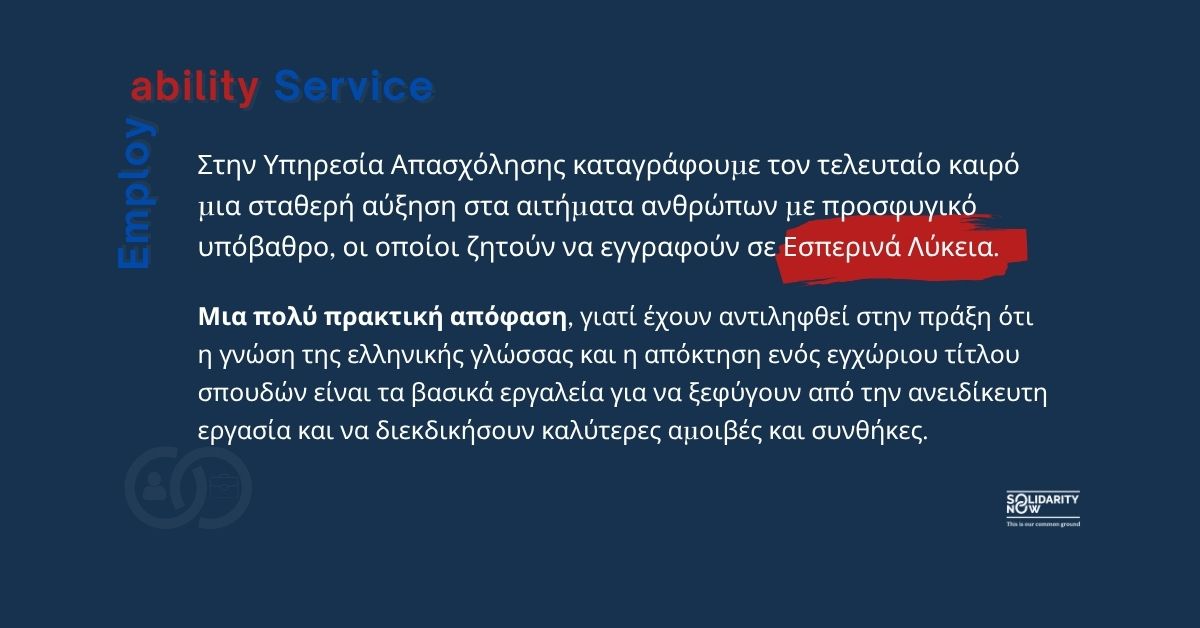
In recent years, the SolidarityNow Employment Service has seen a growing number of employers hesitate to hire refugees and asylum seekers or even discontinue employment processes that had already begun. Not because of prejudice, nor because candidates lack the necessary qualifications, but because bureaucracy turns recruitment into a lengthy, uncertain and time-consuming process.

The paradox is striking. At a time when the Greek labor market is facing acute staff shortages, particularly in manufacturing, hospitality, tourism, construction and many other sectors, people who are willing and able to work remain excluded, not by the labor market itself, but by administrative procedures.

We encounter such cases daily.

At a manufacturing company in Thessaloniki, one employee had to miss work on seven separate occasions to complete the procedures for obtaining a Social Security Registration Number (AMA) and opening a bank account. The repeated absences ultimately led to the termination of his employment.

In other cases, employers who had collaborated with our Employment Service for years and had consistently hired refugees informed us that they would no longer consider candidates who did not already possess an AMA and an active bank account. Not because they questioned their abilities, but because they could no longer bear the cost, delays and uncertainty associated with completing the required administrative procedures.

Beneficiaries describe similar experiences themselves. Many have successfully completed interviews and received job offers, only to lose the opportunity because they could not obtain the required documentation in time. Businesses need staff immediately and cannot wait weeks or even months for procedures that should be straightforward and routine.

When a Simple Procedure Becomes an Administrative Maze

Recently, we have observed another serious challenge. The PAAYPA (Temporary Social Security and Healthcare Number for Foreign Nationals) assigned to asylum seekers is frequently deactivated without prior notice.

To reactivate it, individuals must first contact the Reception Facility where they reside. The facility then communicates with the Asylum Service to request reactivation. Afterwards, a new appointment with the Social Security Institution (e-EFKA) is required to obtain an AMA. If the individual does not have Taxisnet credentials, an additional visit is necessary, as the AMA is no longer issued on the spot but becomes available several days later.

A procedure that could easily be completed electronically is instead transformed into a chain of appointments, waiting periods and administrative delays.

The consequences are clear. Employees are forced to repeatedly request time off work, employers lose valuable productivity, and public services become overwhelmed with cases that could be handled far more efficiently.

And Once That Is Resolved, a Second Challenge Begins

Opening a bank account often proves to be an even greater obstacle.

Through our Employment Service, we have encountered banks that refuse to open accounts for asylum seekers even when they hold a valid employment contract. Others require the presence of one or even two certified interpreters, who must also sign the banking documents. In cases involving people experiencing homelessness, declarations of accommodation or certificates issued by municipal shelters have even been rejected as proof of address.

In other words, a person may have secured a job, possess all the legal documentation required to work, and have an employer ready to hire them, yet still be unable to receive their salary because they cannot open a bank account.

At the same time, different banks, and even different branches of the same bank, often apply inconsistent practices and request different supporting documents, creating uncertainty for both employees and employers alike.

In many cases, these issues are resolved only through the persistence of social workers, employment counsellors or even employers themselves, who are forced to invest significant time and effort in navigating procedures that should function smoothly without external intervention.

Everyone Loses

Employment is the single most important pathway to inclusion. It enables economic independence, dignified living and meaningful participation in society.

Today, however, the greatest barrier is neither employers’ willingness to hire nor refugees’ and asylum seekers’ willingness to work. It is an administrative system that continues to generate delays, inconsistencies and unnecessary bureaucracy.

As a result, everyone loses; people seeking the opportunity to rebuild their lives, businesses struggling to fill critical vacancies, social services that are compelled to compensate for administrative shortcomings and ultimately the Greek economy itself.

Removing these barriers is not simply a matter of protecting rights. It is a prerequisite for a labor market that functions efficiently and benefits workers, businesses and society.

PRESS RELEASE | When Football Becomes a Tool for Inclusion: RoMOVE project concludes in Katerini


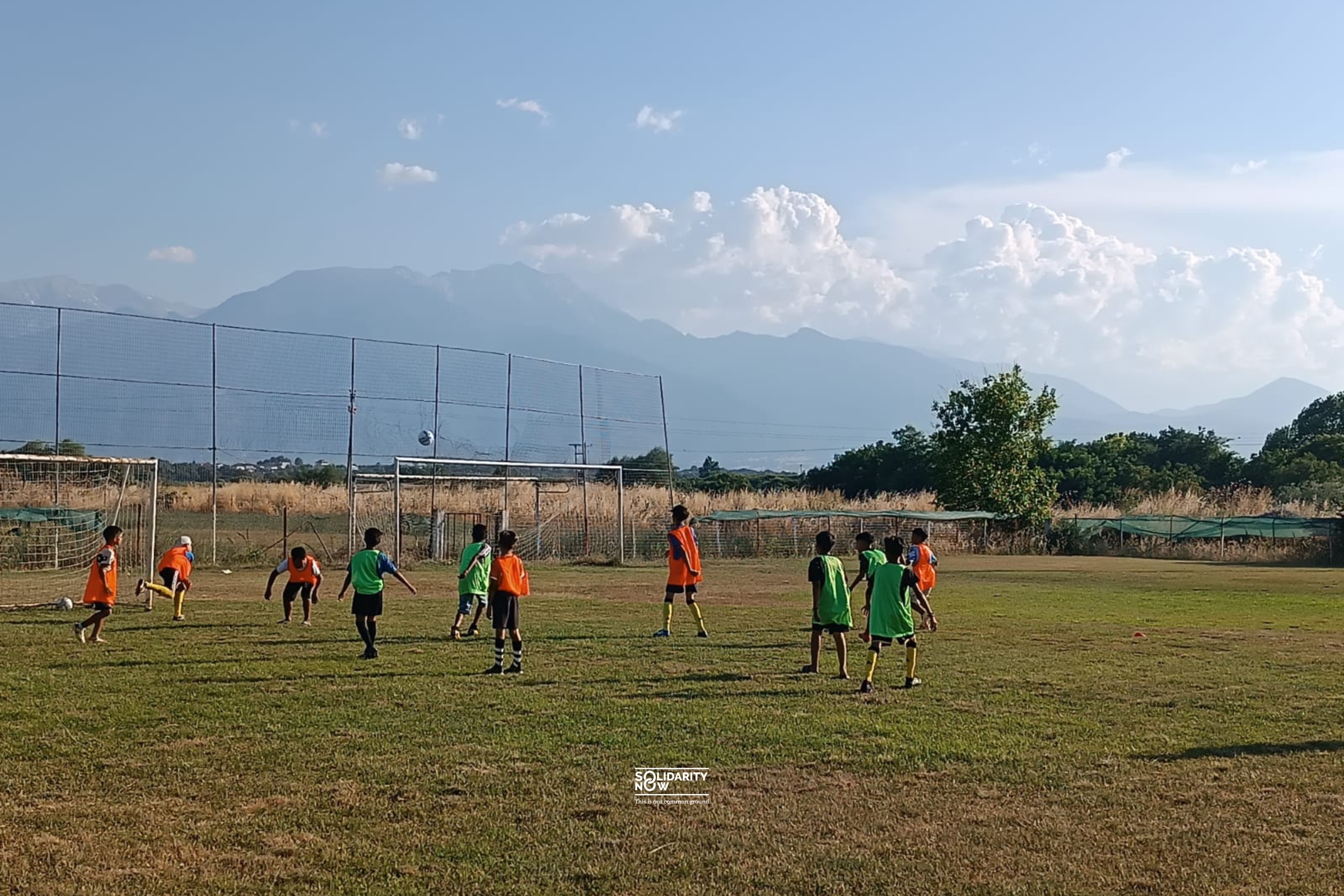
With football capturing global attention worldwide, the RoMOVE project has successfully concluded, highlighting the power of sport, and football in particular, not only on the pitch, but also as a catalyst for inclusion, empowerment, and social cohesion.

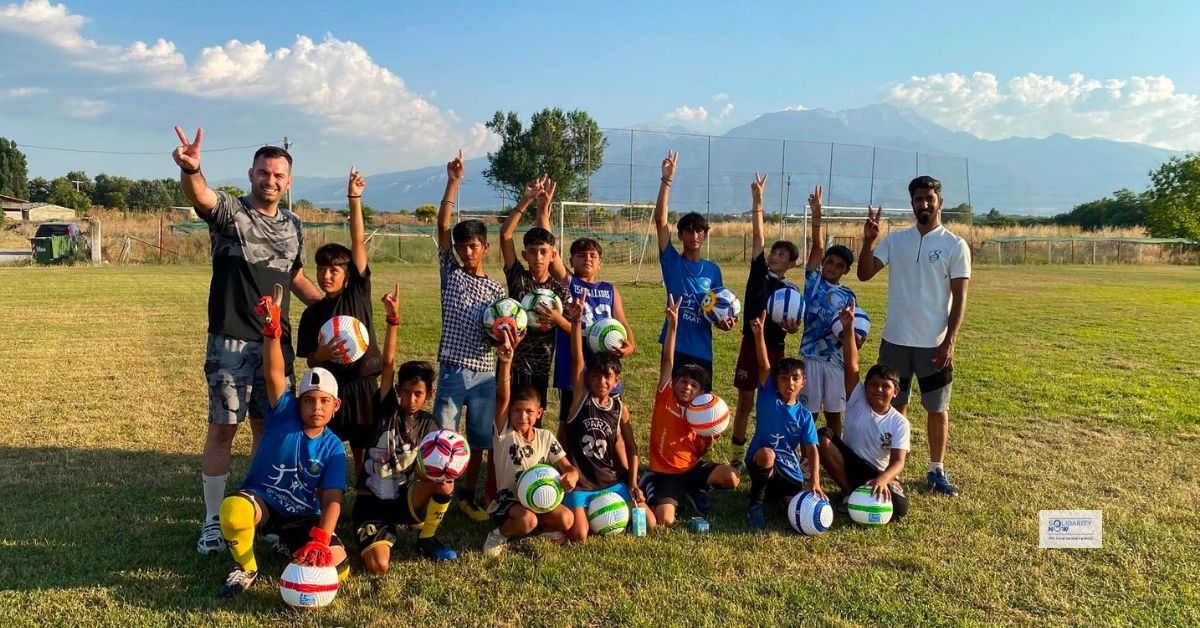
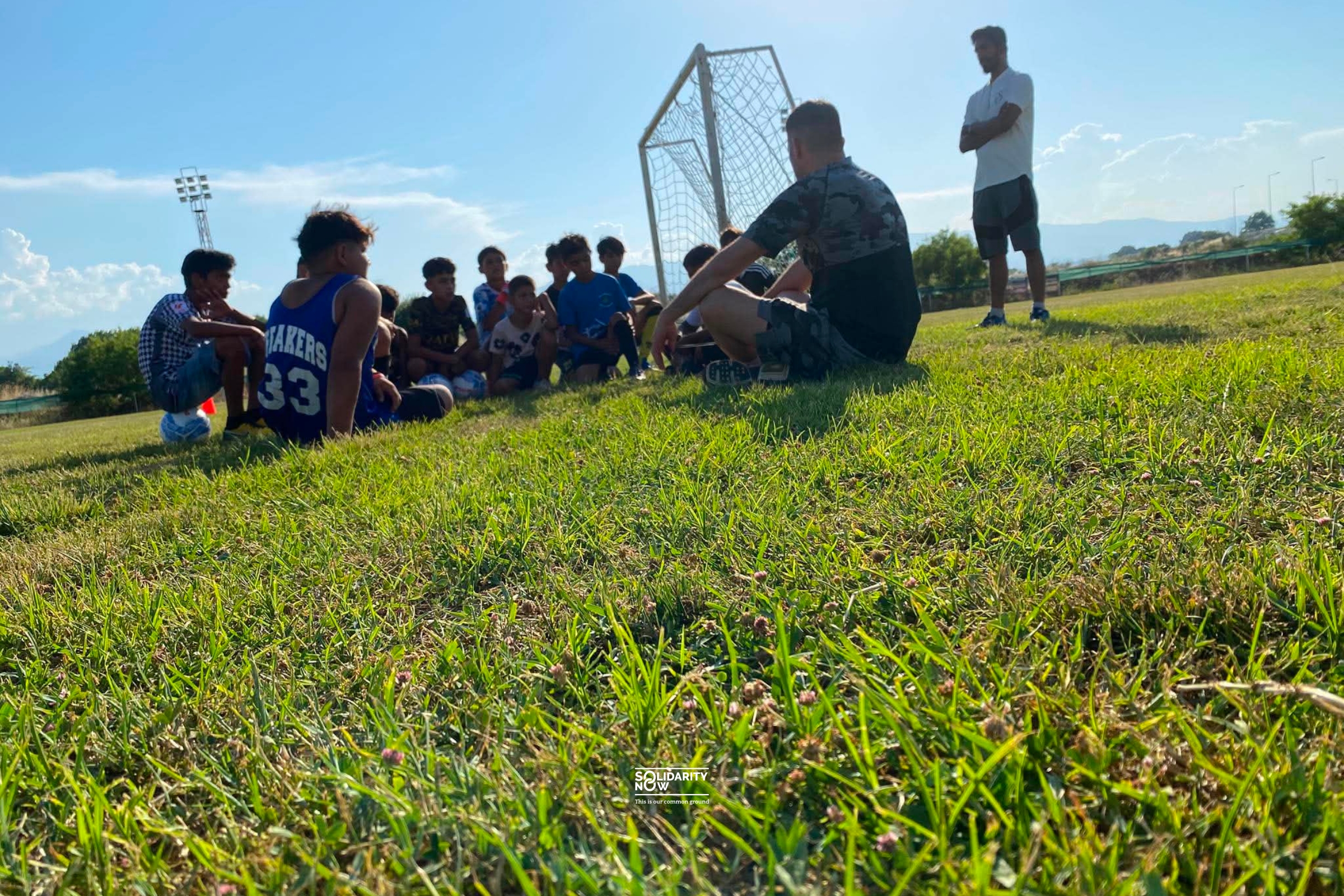
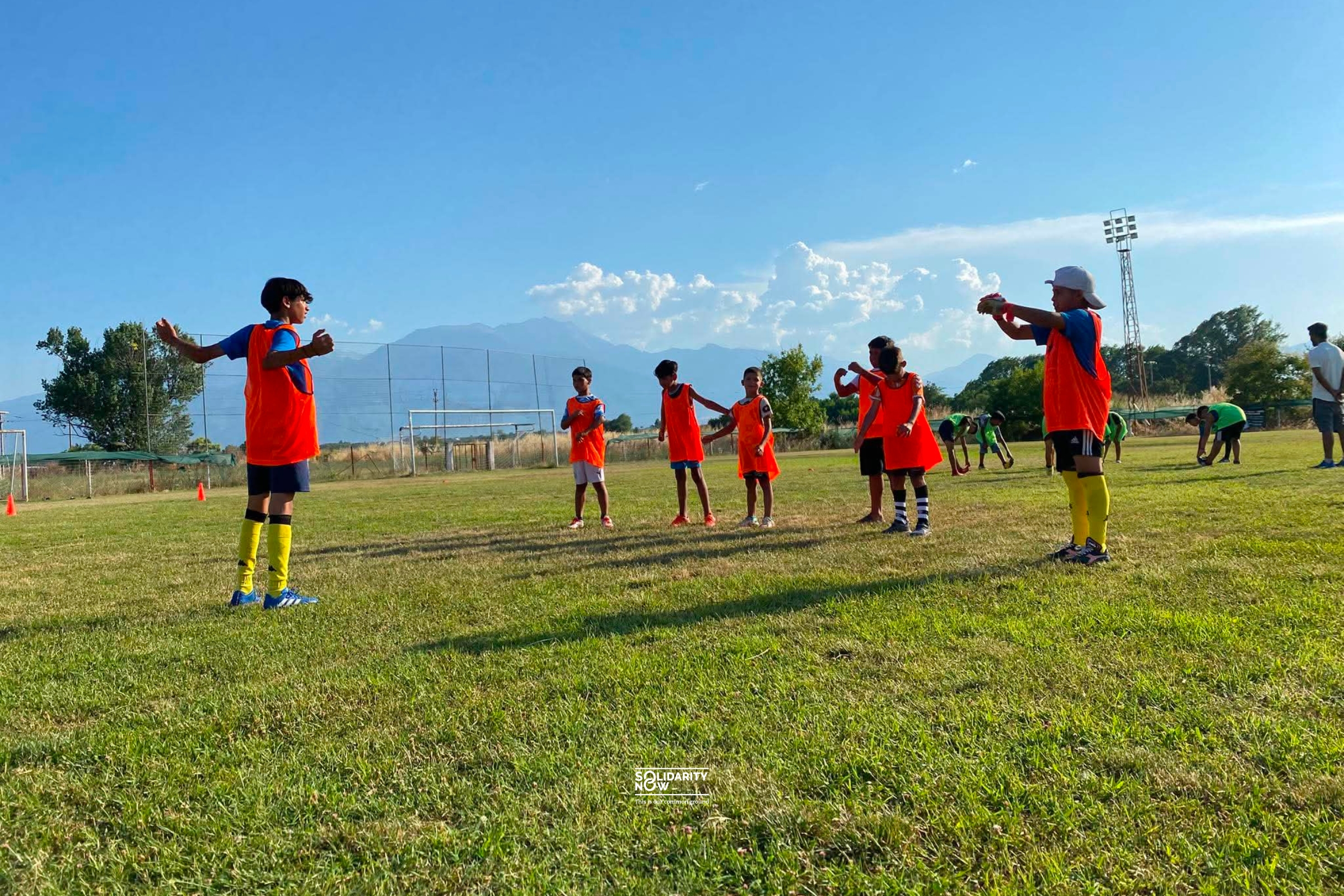
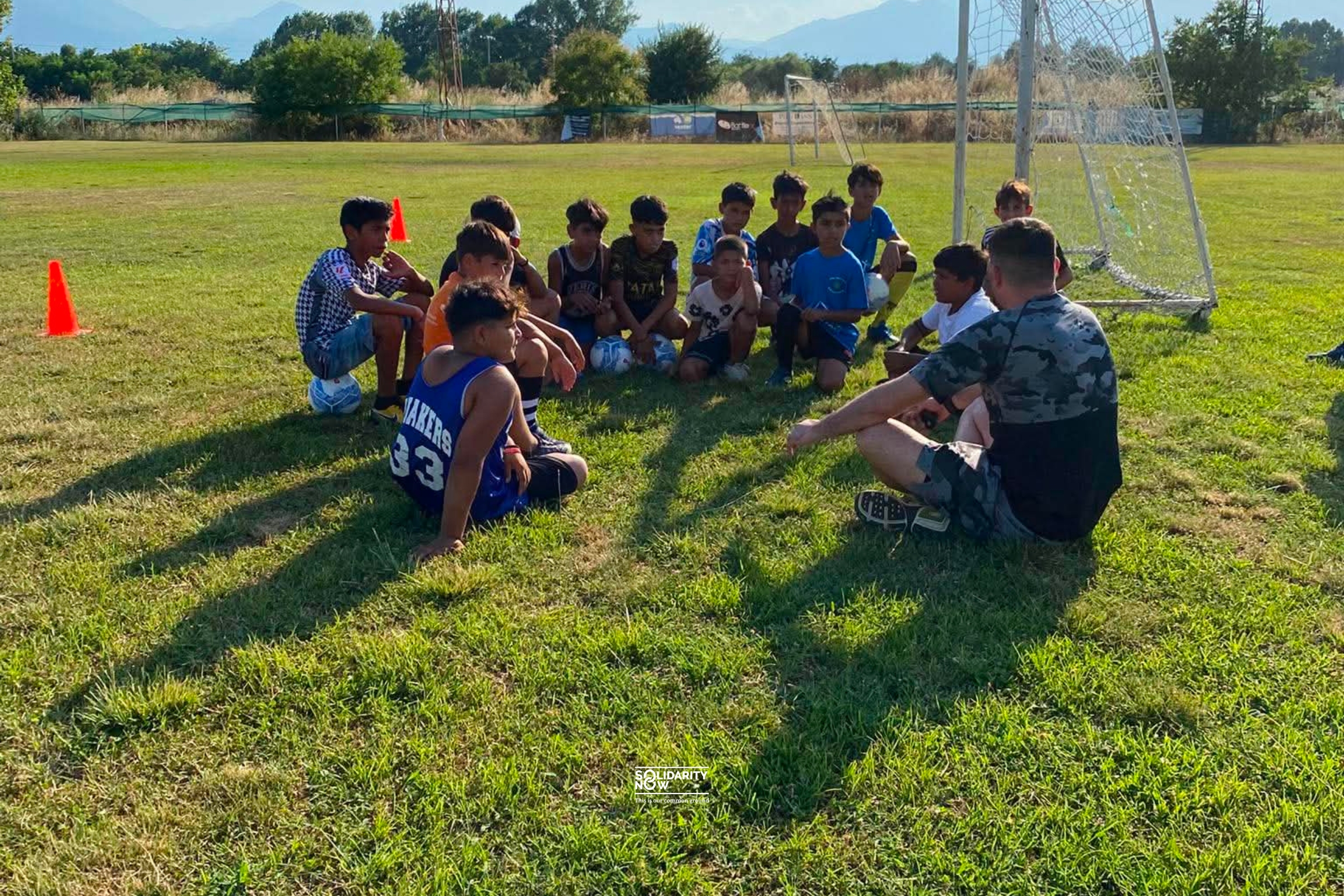
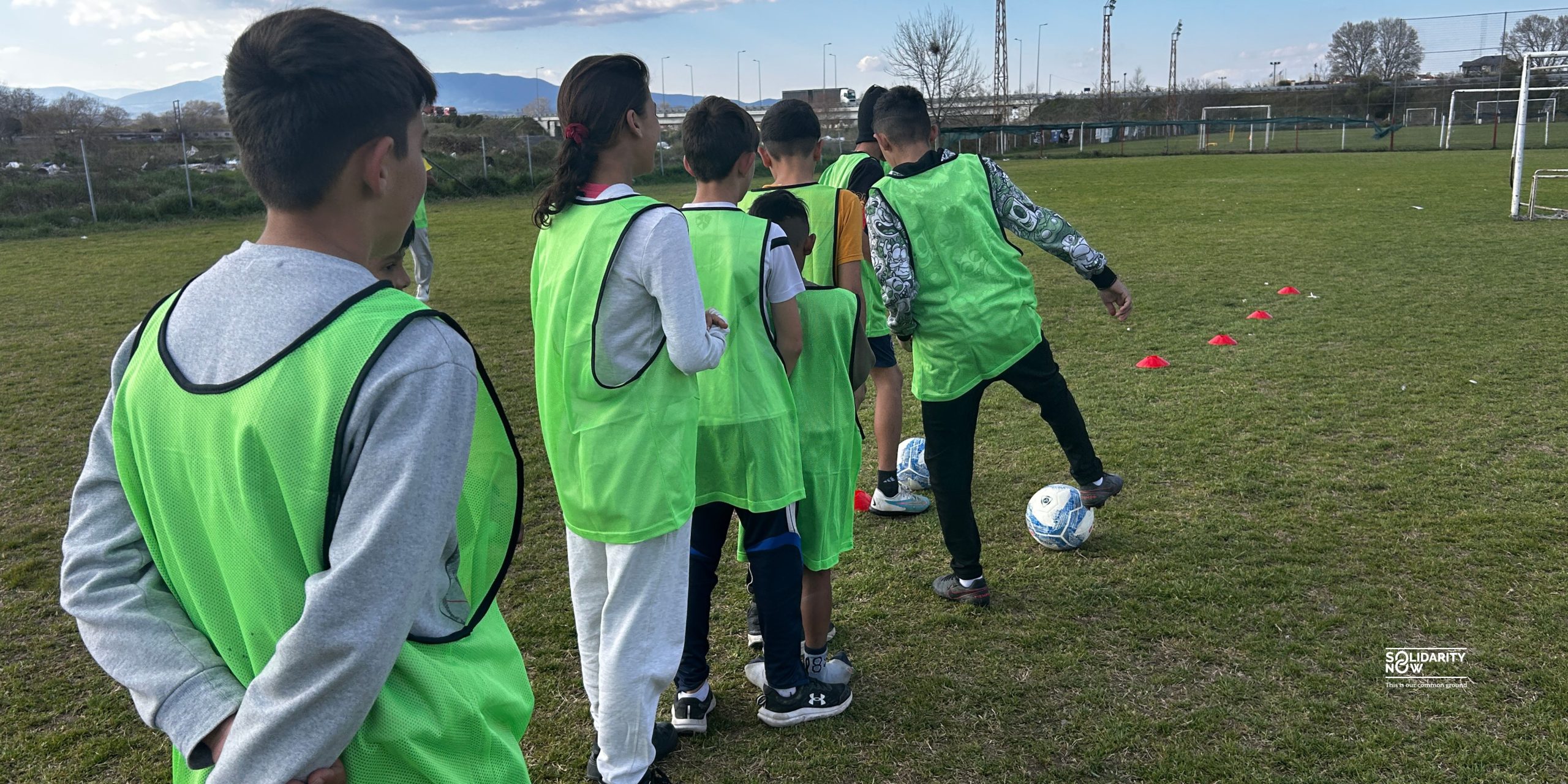
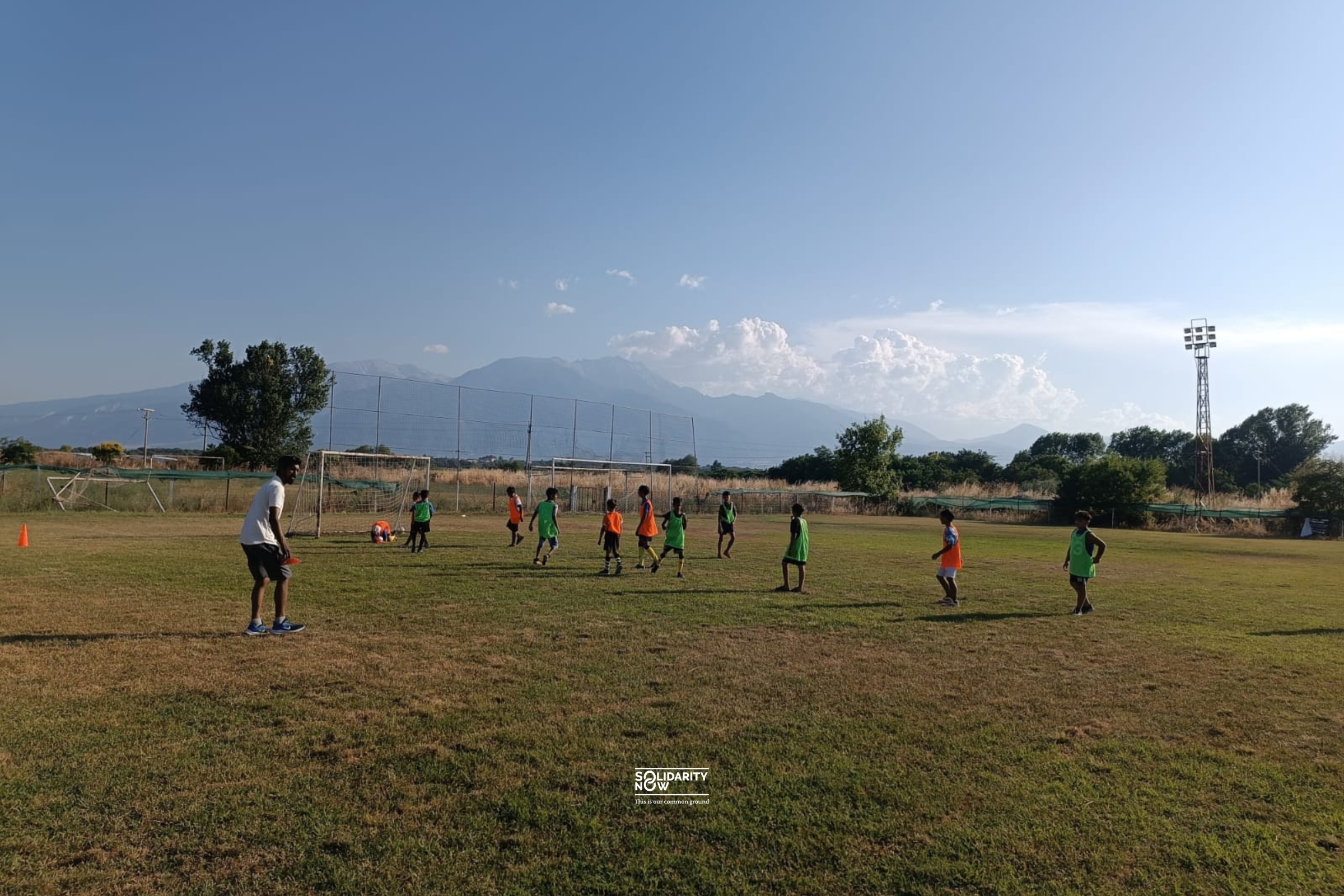
A total of 75 Roma children, including 20 girls, participated in the project, taking part in 29 football training sessions held since the beginning of 2026. The weekly sessions provided a consistent space for physical activity, teamwork, and social inclusion through the game.

The project concluded on 30 June with a friendly football match in Pelekas, Katerini, where children and coaches celebrated the completion of the initiative in an atmosphere of enthusiasm, joy, and team spirit.

During the closing event, the children took to the pitch to demonstrate not only their football skills but also the remarkable progress they had made as a team throughout the project. Thanks to its universal appeal and unique ability to bring people together regardless of background or experience, football proved to be the ideal vehicle for delivering the RoMOVE initiative.

RoMOVE focused on creating equal opportunities for Roma children by using sport as a means of personal development and social inclusion. Throughout the project, the coaches supported the participants every step of the way, not only as technical instructors, but also as trusted mentors who fostered participation, collaboration, and personal growth.

*”RoMOVE: Empowering Roma Children Through Sport” was implemented by SolidarityNow with the support of the NIKE DIRECT STORE Fund, managed by the King Baudouin Foundation.


PRESS RELEASE | Event at the Athens Solidarity Center marking the completion of funding under the Swiss–Greek Cooperation Programme


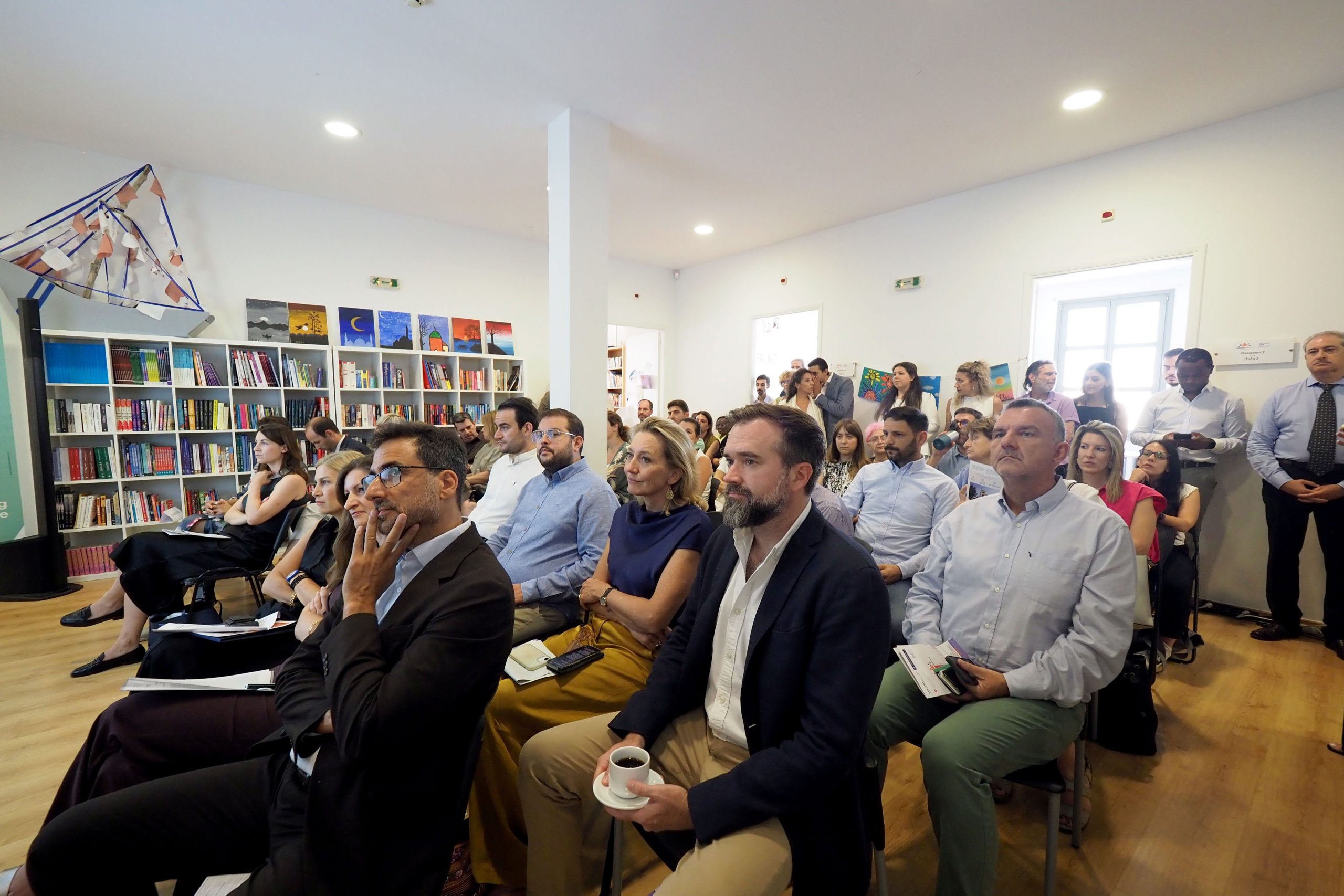
An event was held at the Athens Solidarity Center (ASC) to mark the completion of funding under the Swiss–Greek Cooperation Programme for the period August 2023 – July 2026, in an atmosphere of collaboration and constructive dialogue. The event was honoured by the presence of the Deputy Minister of Migration and Asylum, Ms Sevi Voloudaki, while stories, data, and results were presented, highlighting the social impact of the Center and its contribution to supporting people in vulnerable conditions.

The event was also addressed by Ms Konstantina Papakosta, Secretary General for Migration Policy; Mr Heracles Moskoff, Secretary General for Vulnerable Citizens and Institutional Protection of the Ministry of Migration and Asylum; Ms Aita Pult, Deputy Head of Mission & Chargée d’Affaires of the Embassy of Switzerland in Greece; and Ms Mina Fountzoula, Deputy Mayor of Athens for Social Solidarity and Urban Fauna & Animal Welfare. Representatives of embassies, international organizations, Civil Society organizations, local authorities, and other partner organizations also attended the event.

Since 2014, the Athens Solidarity Center has stood continuously by the side of the most vulnerable members of society, providing free social welfare services, legal and psychosocial support, employment counselling, and financial guidance. During the three-year funding period under the Swiss–Greek Cooperation Programme, a total of 10,351 people received support through the Center’s services.

The Founder and Chairman of the Board of Directors of SolidarityNow, Mr Stelios Zavvos, welcomed the guests, stating: “The most important advantage of the Athens Solidarity Center is that it does not observe society from a distance; it meets society every day. Through this approach, the Center is not only a place where services are provided, but also a space where people’s experiences are transformed into knowledge. I would like to thank our supporters, the Embassy of Switzerland and the Ministry of Migration and Asylum, for our long-standing and meaningful cooperation, both today and in the future.” In the same spirit, Mr. Efthymios Vidalis, Vice President of the Board of Directors, highlighted the importance of responsible resource management, transparency, and accountability, values that guide the organization’s work.

The Deputy Minister of Migration and Asylum, Ms Sevi Voloudaki, stated: “Today’s presentation of SolidarityNow’s results confirmed that solidarity, when combined with methodology and consistency, can be transformed into measurable social impact. More than one hundred thousand people have received support since the launch of the organization’s Solidarity Centers, with one in four beneficiaries finding employment. Protecting people in vulnerable situations is an institutional priority. The cooperation between the State, Civil Society, and our international partners remains the model we seek to further strengthen.”

Following this, Ms Konstantina Papakosta, Secretary General for Migration Policy, highlighted: “The work of the Center has a significant social footprint, particularly following the launch of the operational phase of the New Pact on Migration and Asylum, which means: a. the acceleration of asylum procedures and the return of those who do not meet the criteria for refugee status and b. the integration of those entitled to international protection. The Ministry’s actions for people entitled to international protection place strong emphasis on integration. Integration means education, access to the labor market, and meaningful support with every small or major challenge, enabling people to become active members of society.”

Similarly, Mr Heracles Moskoff, Secretary General for Vulnerable Citizens and Institutional Protection, stated: “I was here when the Center was inaugurated 13 years ago, during the period of the crisis. At that time, the Municipality had the vision to create what we are all supporting today: this synergy between funders, the State, and Civil Society, to provide services to our most vulnerable fellow citizens. Over the past 13 years, this mission has been served in the best possible way. We are deeply grateful for the Swiss contribution and for the cooperation we have built, which ensures that this added value will have a future and will continue to provide solutions to the challenges faced by vulnerable members of our society.”

Representing the Embassy of Switzerland in Greece, Ms Aita Pult, Deputy Head of Mission & Chargée d’Affaires, noted: “This is one of the most successful projects of the Swiss–Greek Cooperation Programme, as it has ensured free and equal access to services for all, regardless of social background or legal status. Access to such services is a fundamental right that we must continue to support. The importance of creating a safe and inclusive environment cannot be underestimated.”

Finally, on behalf of the Municipality of Athens, Ms Mina Fountzoula, Deputy Mayor for Social Solidarity and Urban Fauna & Animal Welfare, emphasized: “I had the opportunity to be here when the Athens Solidarity Center was inaugurated, during the mayoral term of Giorgos Kaminis. It was a period when the city was facing enormous challenges, as thousands of people were arriving in Greece seeking international protection and in need of immediate support. Today, I am here representing the Mayor of Athens, Haris Doukas, and I see that, despite the changes of recent years, the need for the Center’s services remains equally urgent. The Athens Solidarity Center is a stable pillar of support for the city and its most vulnerable residents.”

The event concluded with an interactive activity involving the guests, which led to a lively dialogue with the Center’s professionals. Within just one minute, each professional highlighted the importance of the service they provide, shared real stories of people’s journeys towards inclusion and reintegration, and reminded everyone that behind every number there is a person, a story, and a new beginning. 

Watch the related video here.

ARTICLE | Panhellenic Exams: Results & Positive Parenting


Panhellenic Exams: Is it time to redefine what success means?

Every year, when the results of the Panhellenic Exams are announced, the conversation revolves around the same questions: “Did they get in?” “What grade did they get?” “Which university did they enter?” “Medicine or Law?” As if a young person’s value could be summed up by a university department, a grade, or a list of successful candidates.

And yet, reality is far more complex.

The Panhellenic Exams are one pathway towards higher education. They are not the only ones.

When parents’ anxiety becomes pressure…

No parent puts pressure on their child because they want to make things harder for them. Most do so unintentionally, because they believe they are protecting them. We have grown up in a society that has taught us that a “good life” and “success” are closely linked to obtaining a university degree, and even more so to pursuing certain professions associated with social prestige, such as Medicine, Law or Engineering.

As a result, we often pass on our own beliefs and expectations to our children without even realizing it. The message they receive is often clear:

“These are the right choices.”, “If you don’t become a doctor, you will not find a job.”, “First finish your degree, and then do what you love.”

What if the dream is not theirs?

Every child has different strengths, interests, and ways of expressing their potential. However, when we view certain professions as more “valuable” than others, we risk depriving children of the opportunity to discover who they truly are, what they want to create in their lives, and ultimately the possibility of building a fulfilling future based on their own choices.

A child may have a passion for the arts, technology, sports, gastronomy, tourism, entrepreneurship, or a technical profession. They may thrive in a field we had never even considered. When all conversations lead towards only one direction, other options begin to look like “failure”, when in reality they are simply different paths.

The paradox is that society continues to promote certain professions as the safest choices, while the labor market itself is changing rapidly, driven by technological developments.

In several sectors traditionally considered prestigious, there is intense competition and, in some cases, oversaturation. At the same time, there are professions and technical specializations with high demand, significant opportunities for growth, and great potential that continue to be perceived as “second choices”.

Perhaps, then, it is worth asking ourselves: why do we consider the work of a lawyer or a doctor more valuable than the work of an electrician, a plumber, a carpenter, or a technician?

Why are some professions associated with greater social prestige, while others, professions that are equally essential to the everyday functioning of society and often offer excellent career prospects, continue to be viewed as “second-class” choices?

Reality reminds us that success does not depend solely on the degree someone obtains, but also on whether their knowledge, skills, and choices respond to the needs and opportunities of the times.

The role of parents is not to choose their child’s future

Positive Parenting does not mean leaving children without guidance. It means helping them discover who they are, what their strengths are, what truly suits them, and what they want to pursue to build a happy and meaningful life.

It means asking questions rather than providing ready-made answers.

Encouraging exploration instead of comparison.

Talking about skills, interests, and values, not only about exam scores, university departments, degrees, and social status.

Because a young person who chooses a path that reflects who they are is far more likely to grow, develop their potential, and feel fulfilled than someone who follows a path simply because it is considered socially acceptable.

Let’s raise children who make choices, not children who are afraid to choose

The greatest success is for every child to discover their potential, develop their skills, and build their own path with confidence.

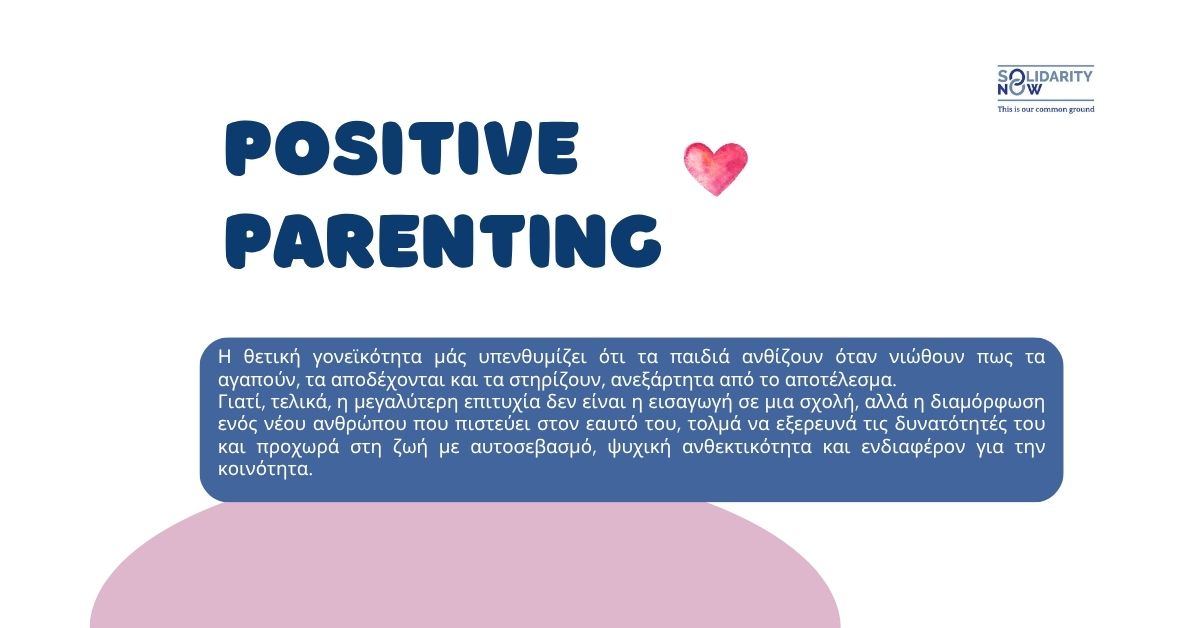
Positive Parenting reminds us that children thrive when they feel loved, accepted, and supported, regardless of the outcome.

Because, ultimately, the greatest achievement is not entering a university department. It is the development of a young person who believes in themselves, dares to explore their abilities, and moves through life with self-respect, resilience, and a sense of connection with their community.

*This article is based on the principles of the Triple P – Positive Parenting Program, that was implemented in Greece within the framework of the National Action “Promoting of Family and Child Health”, carried out by the Ministry of Health in cooperation with UNICEF Greece and a number of partners, including SolidarityNow. The program is funded by the Recovery and Resilience Facility – NextGenerationEU.

ARTICLE | COMPASS: Creating Pathways to Inclusion


From Career Guidance to Inclusion

In a journey that began in February 2025, a group of children living in Shelters for Unaccompanied Minors took their first steps toward career orientation and social inclusion.

Following a request from the General Secretariat for Vulnerable Persons & Institutional Protection, a targeted career guidance intervention was designed for children who share a common experience: a life marked by displacement, challenges, and the need for stability.

The initiative began with individual sessions and the creation of personal Work Portfolios. Ten children initially participated in the pilot phase, working both remotely and through in-person group workshops. Through this process, they started developing a clearer understanding of themselves, their skills, and their professional aspirations.

The initiative was later expanded through vocational terminology workshops involving children from six different shelters in Epirus, Patras, and Kalavryta. This approach emerged as good practice, as it successfully combined language empowerment with career guidance.

In December 2025, the initiative took on a more specific direction: preparing the children for employment in the dairy and cheesemaking sector. Specialized educational material was developed, bringing the participants closer to a real and dynamic sector of the Greek economy.

The idea found fertile ground in Ioannina, a region with a strong presence of dairy businesses and genuine employment opportunities. Local shelters, as well as the children themselves, responded positively and expressed strong interest in participating.

A key milestone was the collaboration with the Dairy Vocational School of Ioannina. Through educational visits, the children were introduced to a professional pathway that goes beyond theory, leading to concrete skills and employment prospects. The school’s two-year training program leads to a recognized profession while also connecting graduates with the labor market through internships in cooperation with local companies.

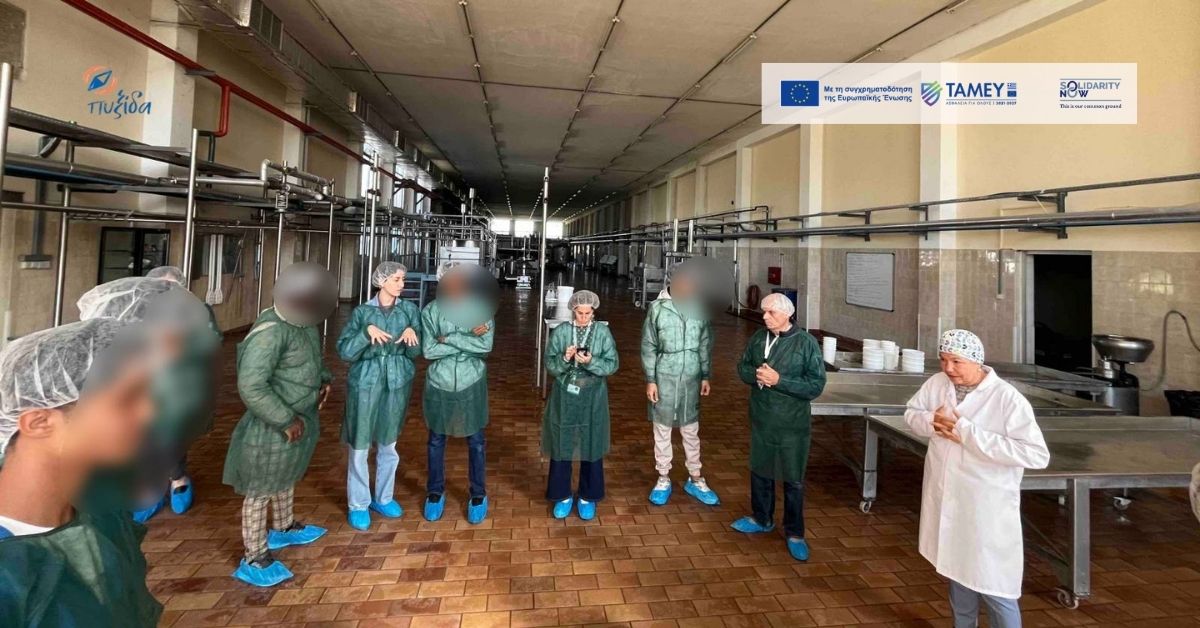
The initiative concluded with a visit to a local production facility of “Dodoni”, where the beneficiaries had the opportunity to observe the operation of a modern cheese production unit in real working conditions. During the visit, they interacted with industry professionals, observed the organization of the production process, the use of machinery, and hygiene and safety procedures, while also recognizing in practice much of the professional terminology they had learned during the workshop.

This initiative is not only about vocational training. It is about building bridges: between education and employment, between shelter and inclusion, between the children’s past experiences and their future opportunities.

For the children participating in the program, the question is no longer only “What can I do?”, but also “Where can I belong?”

And perhaps the answer lies exactly there: in a real opportunity, in a skill that can be acquired, in a community that makes space for them.

*SolidarityNow participates as a partner in the implementation of the project “COMPASS-Complementary Support Mechanism to the National Strategy for the Protection of Unaccompanied Minors in Greece.” The project is funded by the European Union through the “Program Greece – Asylum, Migration and Integration Fund 2021-2027″.

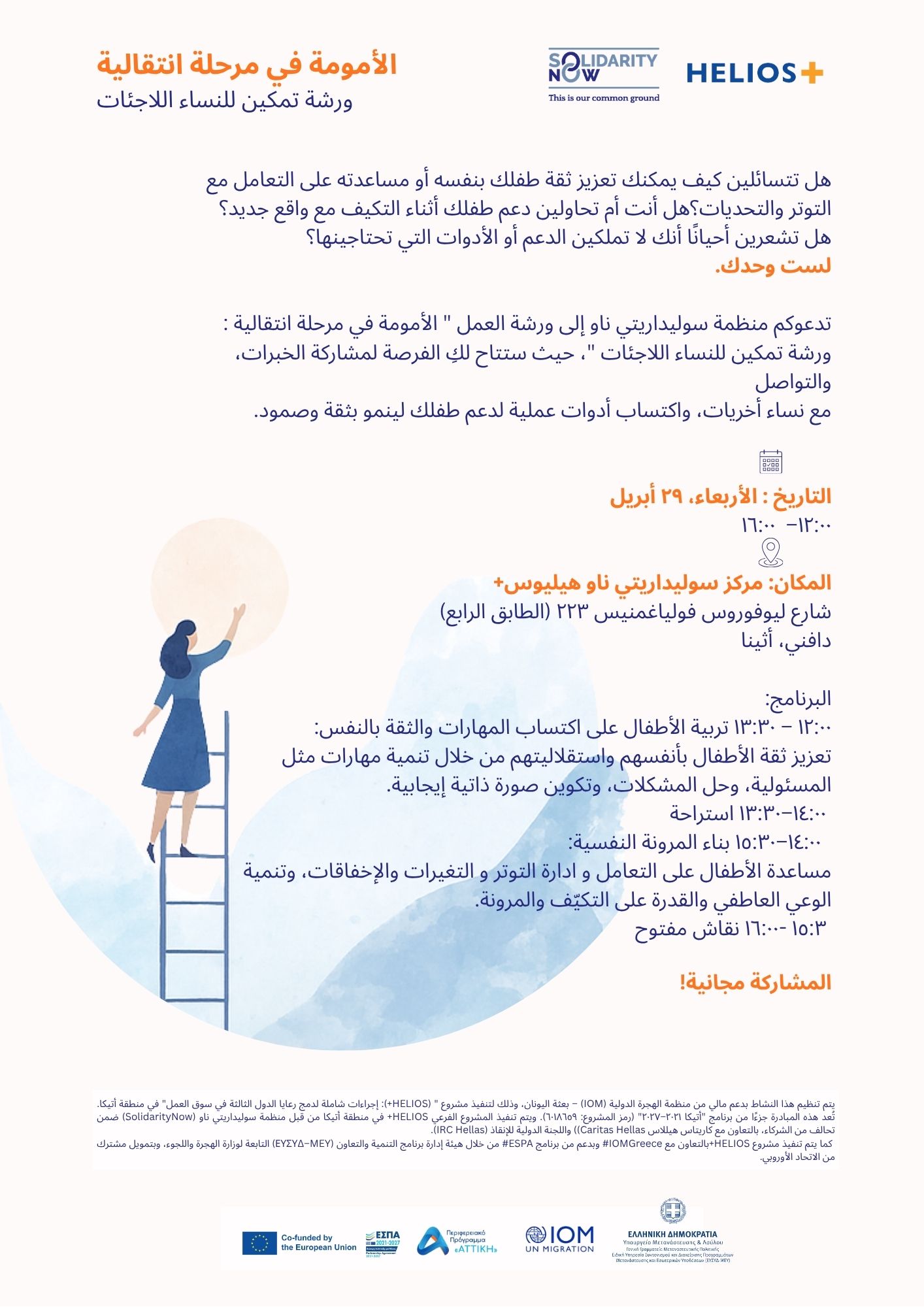
INVITATION | “Motherhood in Transition”: An empowerment workshop for refugee women


Are you a mother trying to support your child while navigating a new reality?

Do you wonder how to strengthen your child’s self-confidence or help them cope with stress and challenges?

Do you sometimes feel that you don’t have the support or tools you need?

You are not alone!

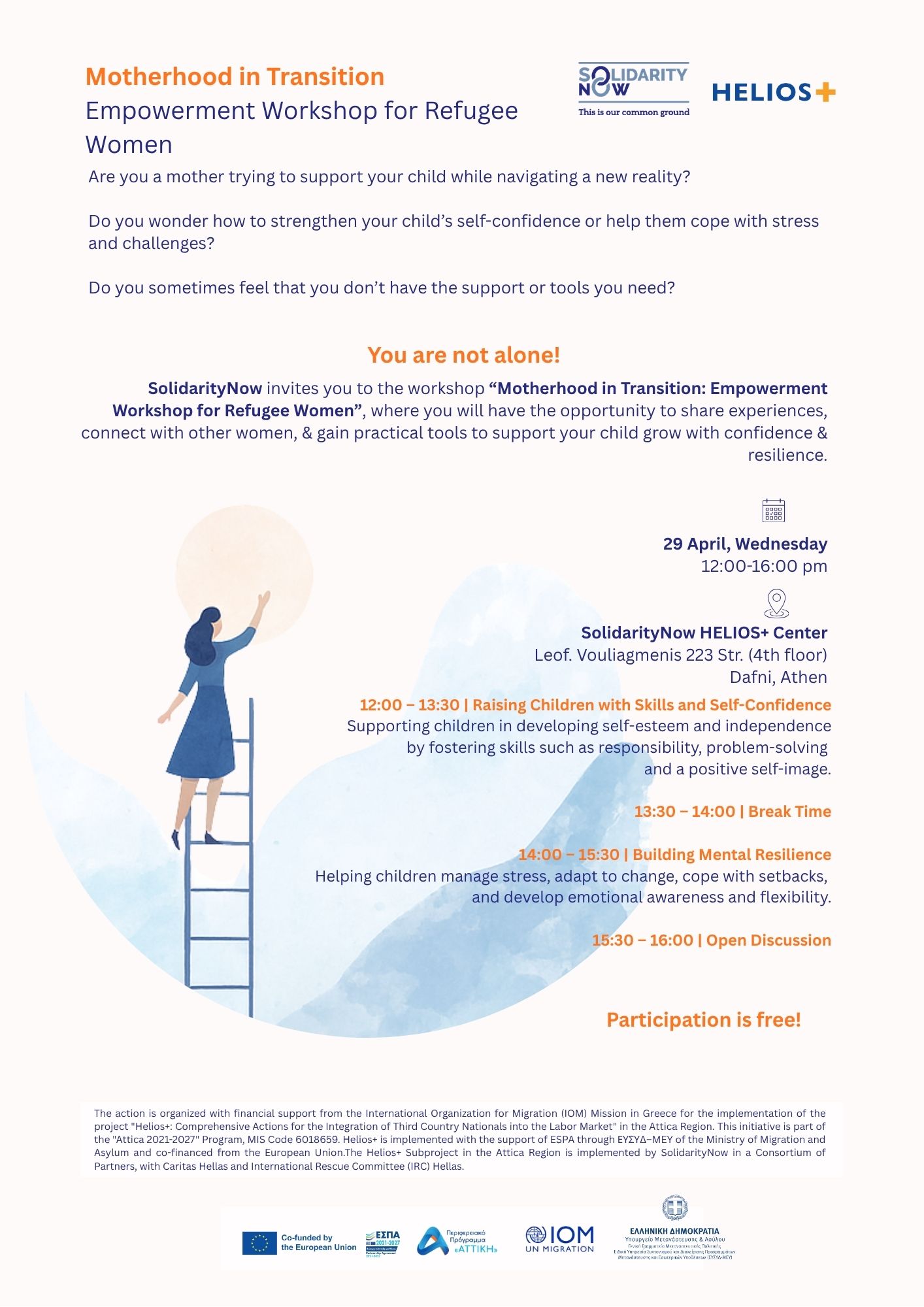
SolidarityNow invites you to the workshop “Motherhood in Transition: Empowerment Workshop for Refugee Women”, where you will have the opportunity to share experiences, connect with other women, and gain practical tools to support your child grow with confidence and resilience.

The workshop will take place on Wednesday, April 29th, 12:00-16:00 pm, at the organization’s HELIOS+ Center (Leof. Vouliagmenis 223 Str. (4th floor), Dafni, Athens).

Participation is free.

The action is organized with financial support from the International Organization for Migration (IOM) Mission in Greece for the implementation of the project “Helios+: Comprehensive Actions for the Integration of Third Country Nationals into the Labor Market” in the Attica Region. This initiative is part of the “Attica 2021-2027” Program, MIS Code 6018659. Helios+ is implemented with the support of ESPA through ΕΥΣΥΔ–MEY of the Ministry of Migration and Asylum and co-financed from the European Union. 

The Helios+ Subproject in the Attica Region is implemented by SolidarityNow in a Consortium of Partners, with Caritas Hellas and International Rescue Committee (IRC) Hellas.


Δωρεάν Σεμινάρια για Γονείς και Εκπαιδευτικούς: #ΡΙΣΠΕΚΤ στο σώμα σου. Μιλάμε ανοιχτά για την περίοδο.


#ΡΙΣΠΕΚΤ στο σώμα σου. Μιλάμε ανοιχτά για την περίοδο.

Το #SolidarityNow διοργανώνει δωρεάν σεμινάρια για εκπαιδευτικούς/σχολικό προσωπικό και γονείς/κηδεμόνες.

Στόχος των σεμιναρίων είναι να συμβάλλουμε ώστε οι ενήλικοι να αποκτήσουν πρακτικά εργαλεία για ουσιαστικό και ενημερωμένο διάλογο με τα παιδιά.

  • Online σεμινάρια για εκπαιδευτικούς:

    17/04 | 11:00 – 13:30
    23/04 | 08:30 – 11:00
    30/04 | 08:30 – 11:00

👉Δηλώστε συμμετοχή εδώ: https://shorturl.at/v9JQM

  • Online σεμινάριο για γονείς:

    28/04 | 08:30 – 11:00

👉Δηλώστε συμμετοχή εδώ: https://shorturl.at/9mIdP

  • Δια ζώσης (Αθήνα – Κέντρο Αλληλεγγύης), Σάββατο 18 Απριλίου 2026:

  1. 11:00 – 13:30 (γονείς) 👉Δηλώστε συμμετοχή εδώ: https://shorturl.at/tMETi
  2. 14:30 – 17:00 (εκπαιδευτικοί) 👉Δηλώστε συμμετοχή εδώ: https://shorturl.at/QB1Nq

Πληροφορίες: Μαργαρίτα Καραβασίλη ✉️ mkaravasili@solidaritynow.org


*Το πρόγραμμα Yγείας και Υγιεινής Περιόδου υλοποιείται από το Υπουργείο Υγείας σε συνεργασία με την UNICEF Greece και μία σειρά εταίρων, μεταξύ των οποίων και το SolidarityNow, στο πλαίσιο της Εθνικής Δράσης Προαγωγής Υγείας Παιδιού & Οικογένειας και χρηματοδοτείται από το Ταμείο Ανάκαμψης και Ανθεκτικότητας Ελλάδα 2.0. της Ευρωπαϊκής Ένωσης – NextGenerationEU. Μάθετε περισσότερα εδώ.

PRESS RELEASE | Giving Roma children access to sports and new opportunities through the RoMove project


In a settlement outside the urban fabric, with limited access to basic services and opportunities, children from the Roma community in Pelekas, Katerini gain access to sports and new prospects through the RoMove project. On the occasion of today’s International Roma Day, we highlight the importance of equal access to sports for all children.

RoMove is implemented by SolidarityNow with the support of the NIKE DIRECT STORE Fund, managed by the King Baudouin Foundation, and aims to empower Roma children and adolescents aged 10 to 17 through regular participation in sports activities.

Sports are used as a tool for social inclusion, enhancing self-confidence, teamwork, and a sense of belonging, while also promoting health and cooperation. Through the project, children are also informed about the importance of balanced nutrition and discover alternative creative ways to spend their time.

The Pelekas settlement, where SolidarityNow has been consistently active since 2021 in cooperation with the Roma Annex of Katerini, faces significant challenges, such as high rates of school dropout, illiteracy, and limited opportunities for young people.

The project’s launch included an informational event for parents and children, followed by cardiac screening to ensure the safe participation of children in sports activities. At the same time, sports equipment, water bottles, and balls were purchased and distributed to all children. Activities are carried out on a weekly basis, with steady participation and growing interest from the children.

RoMove will continue until June 2026, aiming to ensure the sustainability of its actions and the continued inclusion of children in organized sports activities. Initial connections have already been made to enable older adolescents to join sports clubs in Katerini. More information here.

ARTICLE | Exploring Support Networks through an Experiential Activity-Game


Vasilina-Vallina Papanikolaou, Psychologist – Activity Coordinator

During my voluntary work as a psychologist at SolidarityNow, I undertook the implementation of an experiential activity aimed at exploring participants’ support networks, as well as the personal experiences and characteristics that help them cope with difficulties, ultimately fostering their empowerment through this process. This intervention became a unique experience for me, both professionally and personally, as it combined psychosocial objectives with deeply human narratives.

Participants mainly came from refugee communities and had experienced extensive traumatic events, including displacement, loss of loved ones, disruption of social bonds, and prolonged uncertainty. Within this context, and due to language barriers, a purely verbal approach would have been limited. For this reason, the experiential activity that was selected, allowing expression through symbols and colors, proved particularly appropriate.

Play as a tool for expression

At the core of the activity was the identification of people, relationships, or experiences that function as sources of support during times of crisis.

Through the process, many participants shared stories that highlighted both the strength of social bonds and their absence. Family ties, friendships, internal resilience resources, as well as ongoing losses, emerged as central elements in many narratives.

What emerged through the process

More than half of the participants identified family as their primary support network, even when geographically distant. At the same time, a significant number of individuals reported that they did not have any person or system they perceived as supportive.

Additionally, many participants identified sources of inner strength such as:

  • thinking about their family
  • prayer
  • the hope for a stable daily life.

Goals such as returning to education or securing permanent housing were frequently mentioned as key aspirations.

The process was often emotionally intense, as many participants shared traumatic experiences.

As the psychologist facilitating this activity, I experienced the challenge of both setting boundaries and honoring what participants chose to share.

There were moments of deep admiration and emotional resonance in witnessing how individuals narrated their stories. At the same time, there were instances of emotional fatigue, resulting from repeated exposure to traumatic narratives.

Impact on professional identity

This experience acted as a mirror for my professional identity. It brought forward:

  • the limits of my role
  • the need to balance empathy with professional positioning
  • the importance of self-care.

At the same time, it highlighted the value of supervision and collective processing of emotionally demanding interventions, particularly within humanitarian settings.

A brief intervention with meaningful impact

This experiential activity demonstrated that even brief interventions can act as catalysts for deeper self-understanding and awareness of one’s needs.

In environments where verbal expression may be limited, creating alternative pathways for communication can open meaningful spaces for connection, empowerment, and care.


*Since August 1st, 2023, the operation of the Athens Solidarity Center by SolidarityNow is supported by the Swiss-Greek Cooperation Programme (Embassy of Switzerland in Greece) to reducing economic and social disparities in the EU and by the Ministry of Migration and Asylum.
**The Athens Solidarity Center is also supported by the Municipality of Athens.