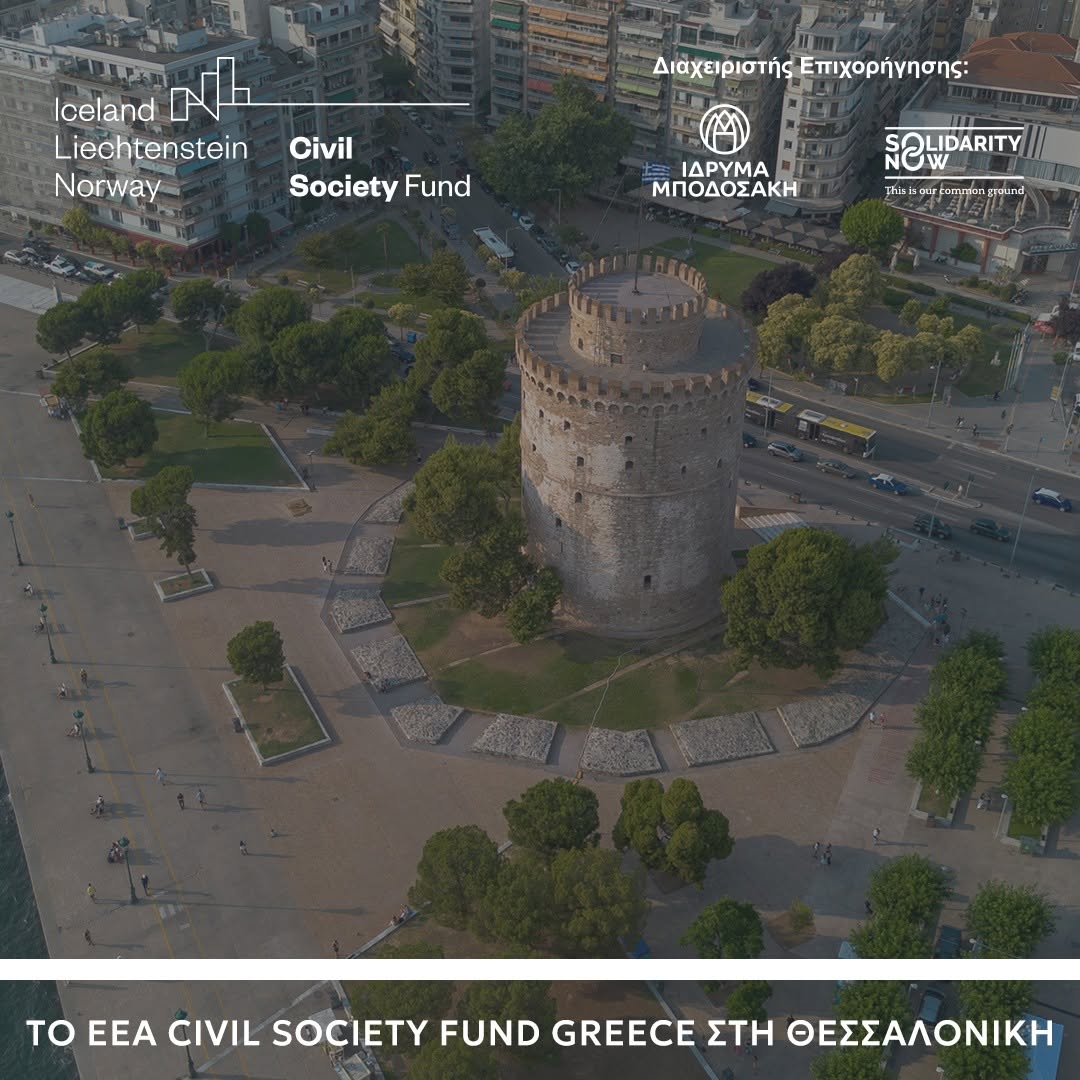
ΔΕΛΤΙΟ ΤΥΠΟΥ | Στη Θεσσαλονίκη παρουσιάζεται το EEA Civil Society Fund Greece ύψους €14,3 εκ.


Με χρηματοδότηση από την Ισλανδία, το Λιχτενστάιν και τη Νορβηγία, και διαχειριστή επιχορήγησης το Ίδρυμα Μποδοσάκη και το SolidarityNow.

Ανοιχτές οι 4 πρώτες προσκλήσεις επιχορήγησης συνολικού ύψους €5,1 εκ. 

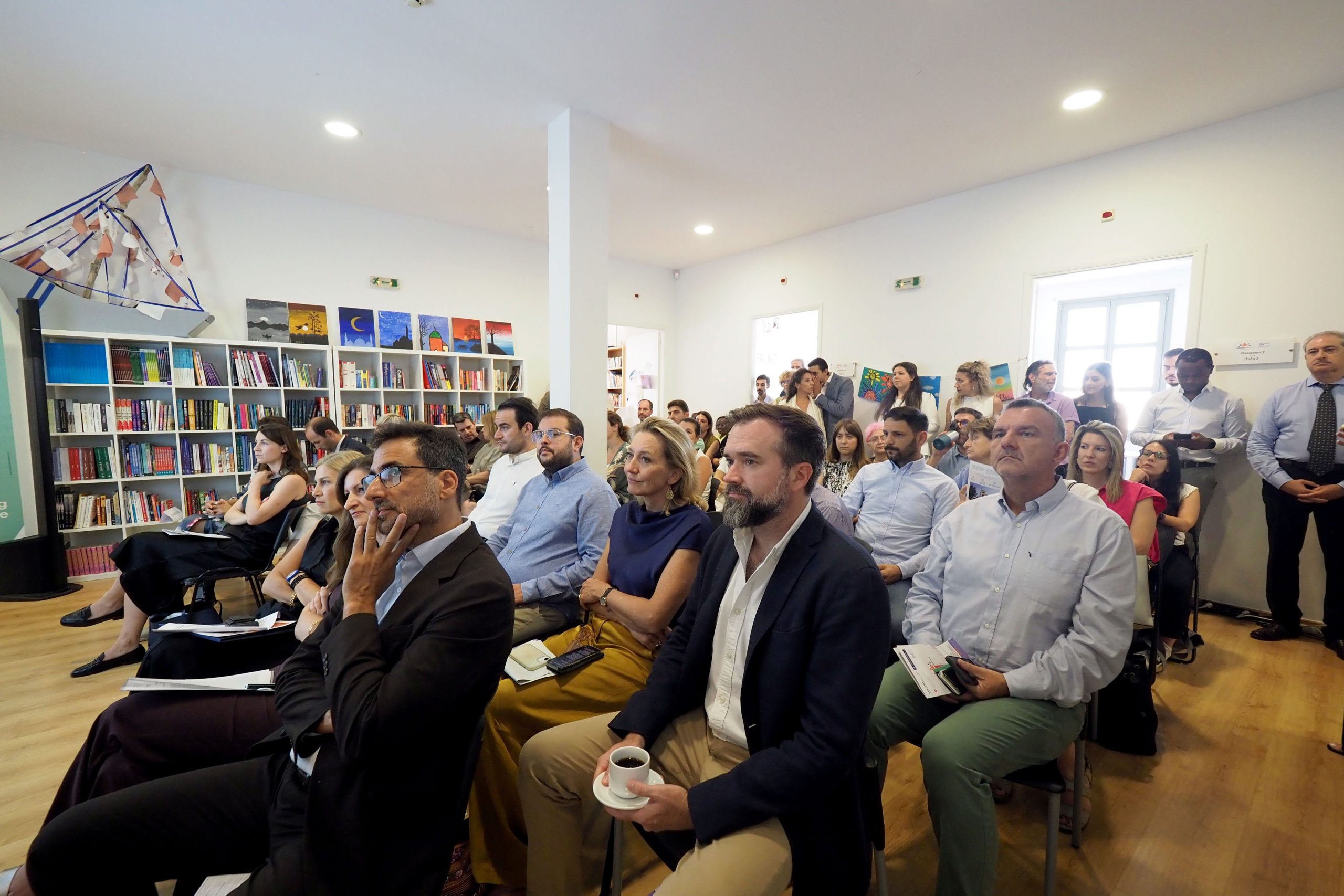
Το Ίδρυμα Μποδοσάκη και το SolidarityNow, ως Διαχειριστής Επιχορήγησης του EEA Civil Society Fund Greece, διοργανώνουν την Πέμπτη 8 Οκτωβρίου 2026, στις 15:00, στο Δημαρχείο Θεσσαλονίκης, εκδήλωση παρουσίασης του προγράμματος, με στόχο την ενημέρωση των οργανώσεων και φορέων της Κοινωνίας των Πολιτών στη Θεσσαλονίκη και τη Βόρεια Ελλάδα για τις διαθέσιμες ευκαιρίες χρηματοδότησης και υποστήριξης.

Οι ενδιαφερόμενοι μπορούν να δηλώσουν τη συμμετοχή τους έως τη Δευτέρα 5 Οκτωβρίου εδώ.

Το πρόγραμμα χρηματοδοτείται από την Ισλανδία, το Λιχτενστάιν και τη Νορβηγία στο πλαίσιο των EEA Grants και αποτελεί μέρος της συνεισφοράς των τριών δωρητριών χωρών για μια πιο δημοκρατική, συμπεριληπτική και ανθεκτική Ευρώπη. Στόχος του EEA Civil Society Fund Greece είναι η προώθηση μιας δυναμικής και ανθεκτικής Κοινωνίας των Πολιτών που προστατεύει και προάγει τη δημοκρατία, το κράτος δικαίου και τα ανθρώπινα δικαιώματα. Διαχειριστής επιχορήγησης του EEA Civil Society Fund στην Ελλάδα είναι το Ίδρυμα Μποδοσάκη από κοινού με το SolidarityNow.

Το EEA Civil Society Fund Greece μέσω συνολικά 12 ανοιχτών προσκλήσεων επιχορήγησης, θα χρηματοδοτήσει περισσότερα από 120 έργα, θα υποστηρίξει οργανώσεις και πρωτοβουλίες που συμβάλλουν στην προστασία και προώθηση της δημοκρατίας, του κράτους δικαίου και των ανθρώπινων δικαιωμάτων, ενισχύοντας παράλληλα την ικανότητα των οργανώσεων να ανταποκρίνονται στις σύγχρονες κοινωνικές προκλήσεις και να συμμετέχουν ενεργά στον δημόσιο διάλογο. 

Ανοιχτές προσκλήσεις επιχορήγησης

Στο πλαίσιο της εκδήλωσης στη Θεσσαλονίκη θα παρουσιαστούν αναλυτικά οι τέσσερις πρώτες ανοιχτές προσκλήσεις επιχορήγησης του προγράμματος, συνολικού ύψους €5,1 εκ., για τις εξής θεματικές προτεραιότητες:

  • Προώθηση της Πολυφωνίας των Μέσων Ενημέρωσης και Ενίσχυση της Ακεραιότητας της Πληροφόρησης – €800.000, για τη στήριξη πρωτοβουλιών που προάγουν την πολυφωνία και την ελευθερία των μέσων ενημέρωσης και την ακεραιότητα της πληροφόρησης.
  • Προώθηση των Ανθρώπινων Δικαιωμάτων, της Κοινωνικής Δικαιοσύνης και της Καταπολέμησης των Διακρίσεων – €2 εκ., για τη στήριξη έργων που ενισχύουν την προστασία και προώθηση των ανθρώπινων δικαιωμάτων, την κοινωνική δικαιοσύνη και την καταπολέμηση των διακρίσεων, καθώς και δράσεων άμεσης απόκρισης σε επείγουσες προκλήσεις.
  • Οργανωσιακές Επιχορηγήσεις προς Οργανώσεις της Κοινωνίας των Πολιτών που Προάγουν τη Δημοκρατία, το Κράτος Δικαίου και τα Ανθρώπινα Δικαιώματα – €2,2 εκατ., για τη στήριξη της θεσμικής ικανότητας, της επιχειρησιακής ανθεκτικότητας και της μακροπρόθεσμης βιωσιμότητας εδραιωμένων οργανώσεων.
  • Δράσεις Ενεργού Συμμετοχής των Πολιτών – €100.000, για τη στήριξη μικρών οργανώσεων στην υλοποίηση συμμετοχικών και συμπεριληπτικών πρωτοβουλιών που ενισχύουν την ενεργό συμμετοχή των πολιτών στα κοινά.

Οι ενδιαφερόμενες οργανώσεις μπορούν να υποβάλουν τις αιτήσεις τους έως 15 Δεκεμβρίου 2026. Περισσότερες πληροφορίες για τις ανοιχτές προσκλήσεις και τη διαδικασία υποβολής αιτήσεων είναι διαθέσιμες εδώ.

Ενημέρωση και δικτύωση στη Θεσσαλονίκη

Κατά τη διάρκεια της εκδήλωσης θα παρουσιαστούν οι στόχοι και οι δράσεις του EEA Civil Society Fund Greece, το οποίο θα διαρκέσει έως το 2031, καθώς και τα διαφορετικά εργαλεία μέσω των οποίων θα στηριχθούν οι οργανώσεις της Κοινωνίας των Πολιτών: τις Δράσεις Ανάπτυξης Ικανοτήτων, Περιφερειακής Συνεργασίας και Διμερών Σχέσεων, τα οποία θα προσφέρουν ευκαιρίες για την ανάπτυξη οργανωσιακών ικανοτήτων, τη δικτύωση και τη συνεργασία σε εθνικό και ευρωπαϊκό επίπεδο.

Η εκδήλωση θα αποτελέσει παράλληλα ευκαιρία για διάλογο και ανταλλαγή απόψεων με τις οργανώσεις και τους φορείς της Κοινωνίας των Πολιτών στη Βόρεια Ελλάδα, ενώ θα ολοκληρωθεί με θεματική δικτύωση, δημιουργώντας έναν χώρο για την ανάπτυξη νέων συνεργασιών.

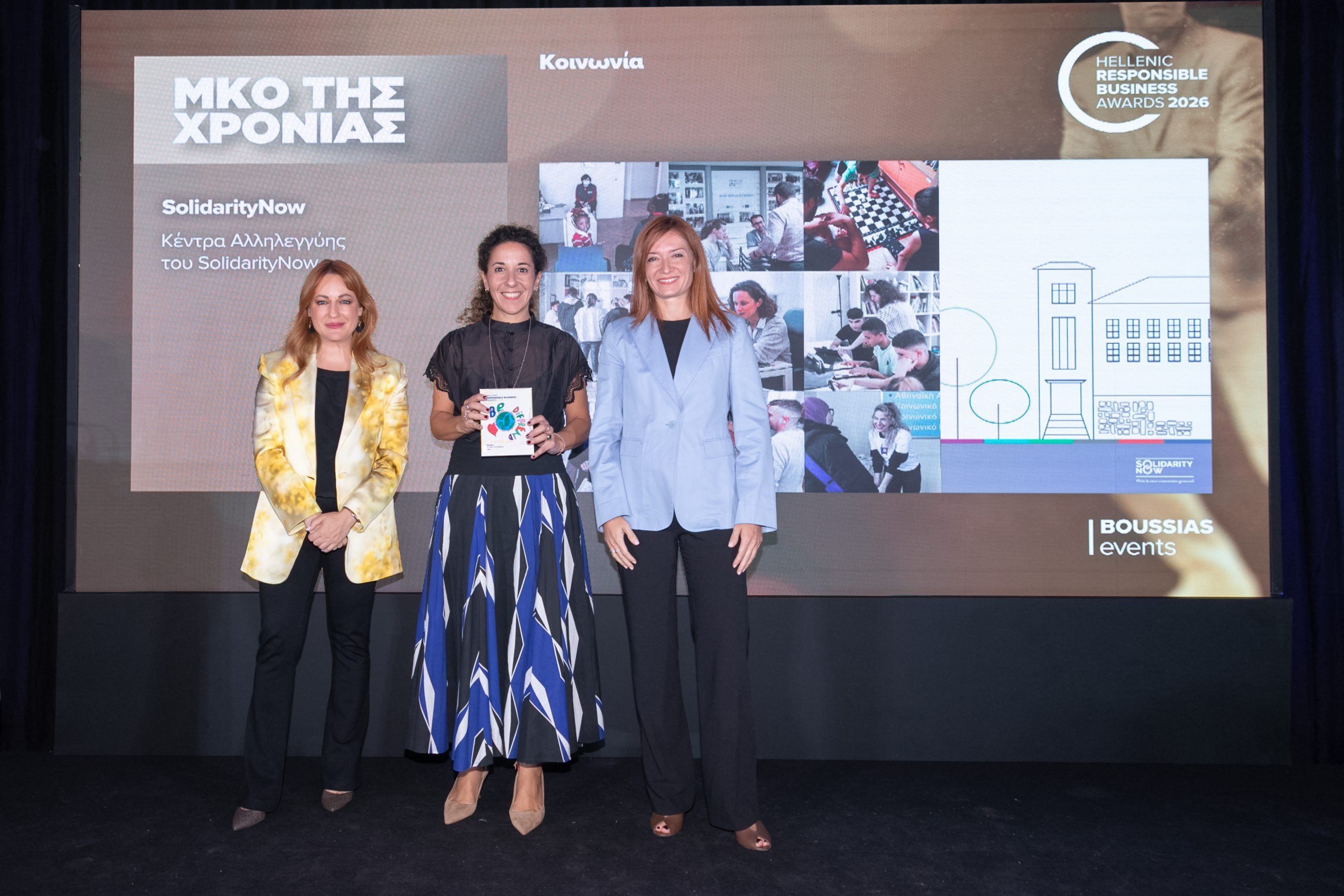
PRESS RELEASE | SolidarityNow named “NGO of the Year” at the Hellenic Responsible Business Awards for its Solidarity Centers


SolidarityNow was awarded the Gold “NGO of the Year” distinction at this year’s Hellenic Responsible Business Awards, in the Society category, in recognition of the work and social impact of its Solidarity Centers in Athens and Thessaloniki.

This distinction acknowledges the long-standing contribution of the Solidarity Centers in supporting people at risk of poverty and social exclusion, while promoting social inclusion and cohesion. Through a comprehensive approach that combines psychosocial support, legal counselling and representation, employment counselling and labour market integration, accounting services, educational activities, and access to essential goods and services, the Solidarity Centers have helped thousands of people take meaningful steps towards greater autonomy and dignity.

Commenting on the award, the organization’s General Manager, Marilyn Polena, said:

“This recognition belongs first and foremost to the people who place their trust in our Solidarity Centers every day, as well as to our teams who turn solidarity into action. It is a testament to our collective effort and our commitment to building a more cohesive society with equal opportunities for everyone.”

Since their establishment, the Solidarity Centers have served as safe and accessible spaces where every person can receive tailored support, regardless of origin, gender, age, or social background. To date, the Centers have supported more than 85,000 people.

SolidarityNow Deputy General Manager, Fay Koutzoukou, added:

“The Solidarity Centers demonstrate in practice that when we invest in inclusion, protection, and empowerment, we create meaningful opportunities and sustainable change for society. This award gives us even greater motivation to continue our work. We would like to thank the institutional and individual supporters of our Solidarity Centers, as well as the Municipality of Athens, for their smooth and fruitful collaboration throughout all these years.”

The awards ceremony took place on 22 September 2026 under the auspices of the Ministry of Environment and Energy, SEV Hellenic Federation of Enterprises, and the Greek Tourism Confederation (SETE).

ΔΕΛΤΙΟ ΤΥΠΟΥ | €14,3 εκ. για τη στήριξη της Κοινωνίας των Πολιτών στην Ελλάδα

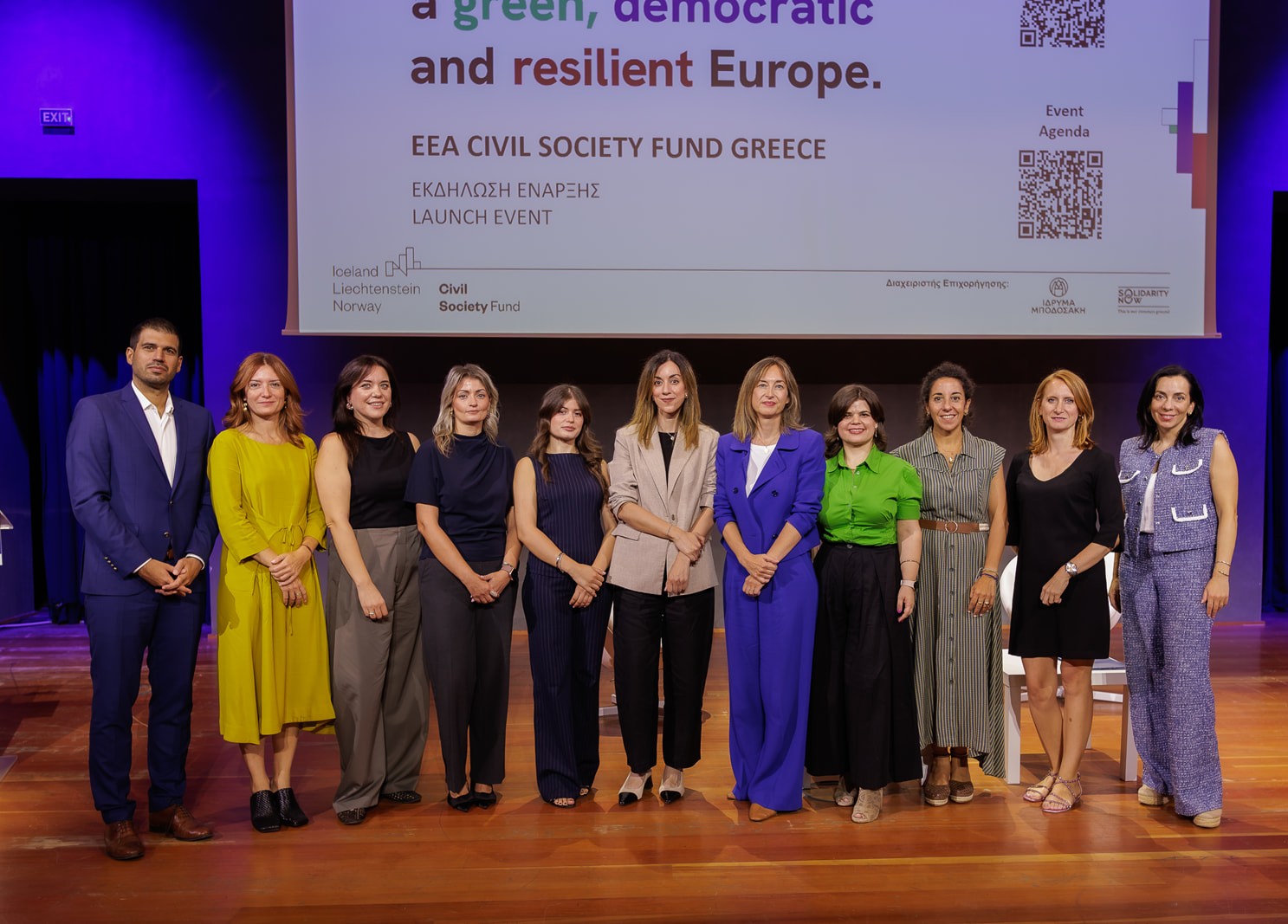
Η ομάδα του EEA Civil Society Fund Greece από το SolidarityNow & το Ίδρυμα Μποδοσάκη

Νέο πρόγραμμα EEA Civil Society Fund Greece, με χρηματοδότηση από την Ισλανδία, το Λιχτενστάιν και τη Νορβηγία, και διαχειριστή επιχορήγησης το Ίδρυμα Μποδοσάκη και το SolidarityNow 

Ανοιχτές οι 4 πρώτες προσκλήσεις επιχορήγησης συνολικού ύψους €5,1 εκ.

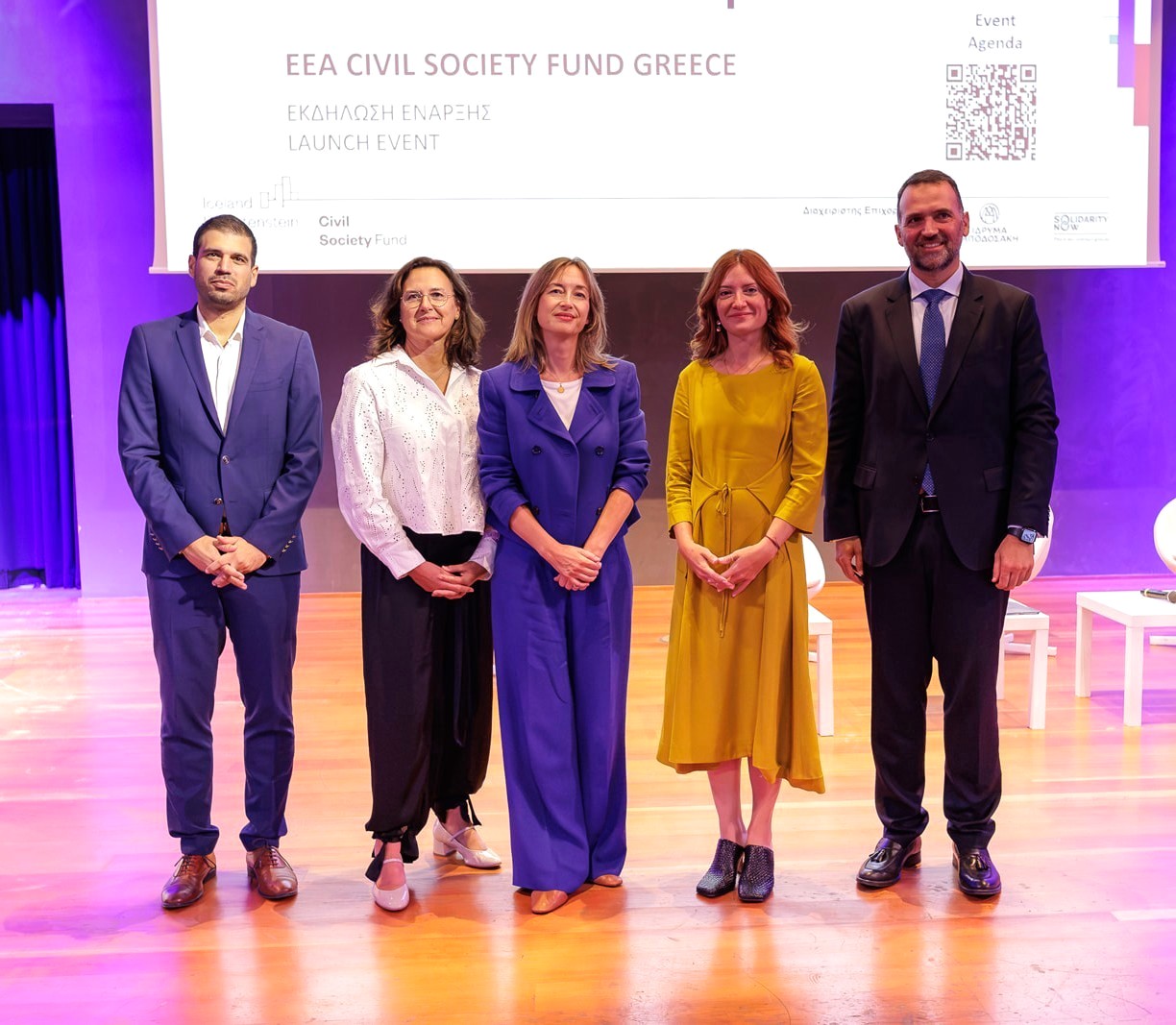
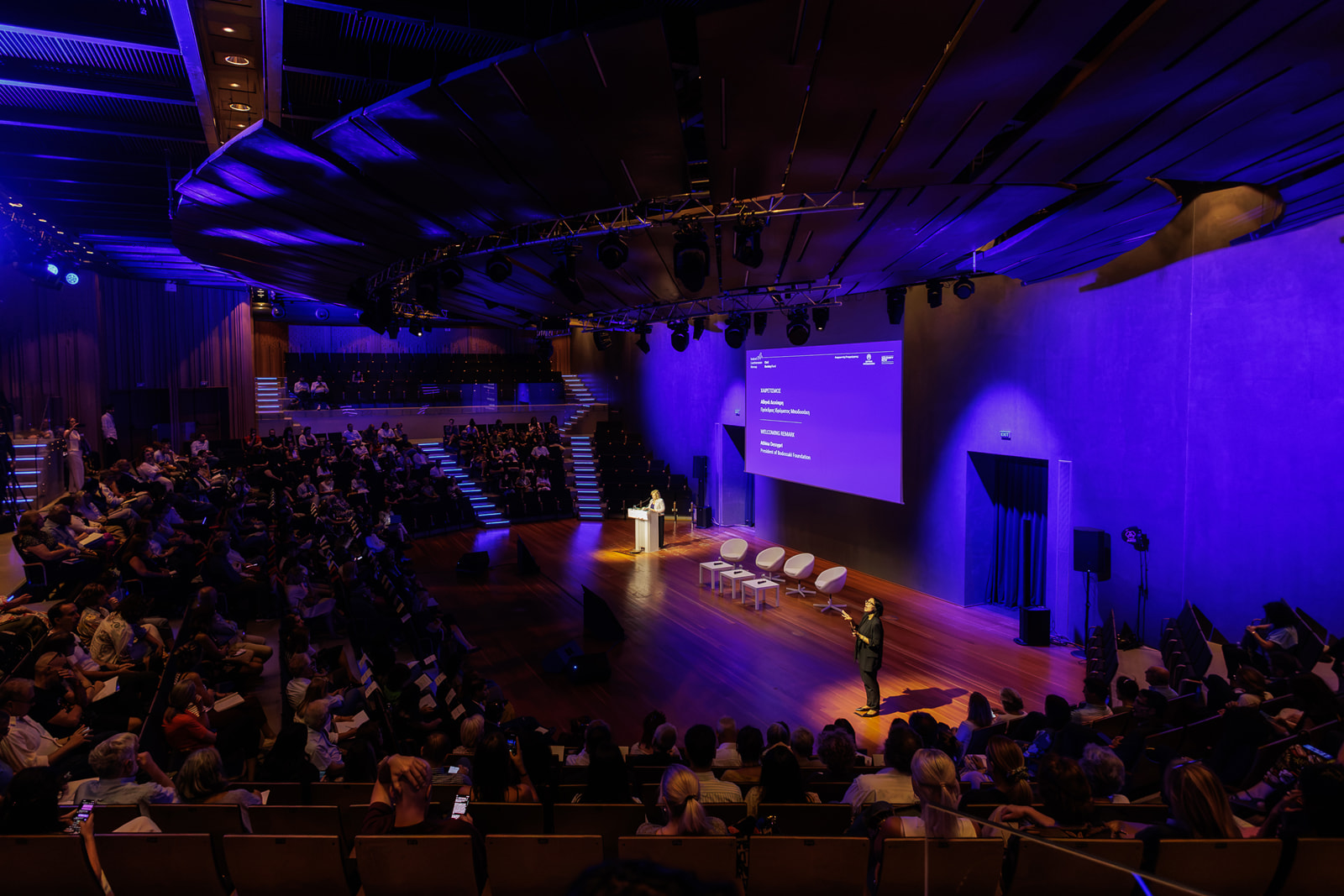
Το EEA Civil Society Fund Greece, ύψους €14,3 εκ., ξεκίνησε επίσημα με την εκδήλωση έναρξης την Τετάρτη 16 Σεπτεμβρίου 2026, στο Ωδείο Αθηνών, παρουσία εκπροσώπων της Κοινωνίας των Πολιτών, καθώς και δημόσιων και θεσμικών φορέων.

Το πρόγραμμα χρηματοδοτείται από την Ισλανδία, το Λιχτενστάιν και τη Νορβηγία στο πλαίσιο των EEA Grants και αποτελεί μέρος της συνεισφοράς των τριών δωρητριών χωρών για μια πιο δημοκρατική, συμπεριληπτική και ανθεκτική Ευρώπη. Στόχος του EEA Civil Society Fund Greece είναι η προώθηση μιας δυναμικής και ανθεκτικής Κοινωνίας των Πολιτών που προστατεύει και προάγει τη δημοκρατία, το κράτος δικαίου και τα ανθρώπινα δικαιώματα. Διαχειριστής επιχορήγησης του EEA Civil Society Fund στην Ελλάδα είναι το Ίδρυμα Μποδοσάκη από κοινού με το SolidarityNow.

Το EEA Civil Society Fund Greece μέσω συνολικά 12 ανοιχτών προσκλήσεων επιχορήγησης, θα χρηματοδοτήσει περισσότερα από 120 έργα, θα υποστηρίξει οργανώσεις και πρωτοβουλίες που συμβάλλουν στην προστασία και προώθηση της δημοκρατίας, του κράτους δικαίου και των ανθρώπινων δικαιωμάτων, ενισχύοντας παράλληλα την ικανότητα των οργανώσεων να ανταποκρίνονται στις σύγχρονες κοινωνικές προκλήσεις και να συμμετέχουν ενεργά στον δημόσιο διάλογο.

Ανοικτές προσκλήσεις επιχορήγησης

Στο πλαίσιο της εκδήλωσης παρουσιάστηκαν οι τέσσερις πρώτες ανοιχτές προσκλήσεις επιχορήγησης του προγράμματος, συνολικού ύψους €5,1 εκ., για τις εξής θεματικές προτεραιότητες:

  • Προώθηση της Πολυφωνίας των Μέσων Ενημέρωσης και Ενίσχυση της Ακεραιότητας της Πληροφόρησης – €800.000, για τη στήριξη πρωτοβουλιών που προάγουν την πολυφωνία και την ελευθερία των μέσων ενημέρωσης και την ακεραιότητα της πληροφόρησης.
  • Προώθηση των Ανθρώπινων Δικαιωμάτων, της Κοινωνικής Δικαιοσύνης και της Καταπολέμησης των Διακρίσεων – €2 εκ., για τη στήριξη έργων που ενισχύουν την προστασία και προώθηση των ανθρώπινων δικαιωμάτων, την κοινωνική δικαιοσύνη και την καταπολέμηση των διακρίσεων, καθώς και δράσεων άμεσης απόκρισης σε επείγουσες προκλήσεις.
  • Οργανωσιακές Επιχορηγήσεις προς Οργανώσεις της Κοινωνίας των Πολιτών που Προάγουν τη Δημοκρατία, το Κράτος Δικαίου και τα Ανθρώπινα Δικαιώματα – €2,2 εκατ., για τη στήριξη της θεσμικής ικανότητας, της επιχειρησιακής ανθεκτικότητας και της μακροπρόθεσμης βιωσιμότητας εδραιωμένων οργανώσεων.
  • Δράσεις Ενεργού Συμμετοχής των Πολιτών – €100.000, για τη στήριξη μικρών οργανώσεων στην υλοποίηση συμμετοχικών και συμπεριληπτικών πρωτοβουλιών που ενισχύουν την ενεργό συμμετοχή των πολιτών στα κοινά.

Οι ενδιαφερόμενες οργανώσεις μπορούν να υποβάλουν τις αιτήσεις τους έως 15 Δεκεμβρίου 2026. Περισσότερες πληροφορίες για τις ανοιχτές προσκλήσεις και τη διαδικασία υποβολής αιτήσεων είναι διαθέσιμες εδώ.

Ένας νέος κύκλος στήριξης και συνεργασίας

Στην εκδήλωση έναρξης του EEA Civil Society Fund Greece, το οποίο θα διαρκέσει ως το 2031, παρουσιάστηκαν οι στόχοι και οι δράσεις του και τα διαφορετικά εργαλεία μέσω των οποίων θα στηριχθούν οι οργανώσεις της Κοινωνίας των Πολιτών: τα Προγράμματα Ανάπτυξης Ικανοτήτων, Περιφερειακής Συνεργασίας και Διμερών Συνεργασιών, τα οποία θα προσφέρουν ευκαιρίες για την ανάπτυξη οργανωσιακών ικανοτήτων, τη δικτύωση και τη συνεργασία σε εθνικό και ευρωπαϊκό επίπεδο.

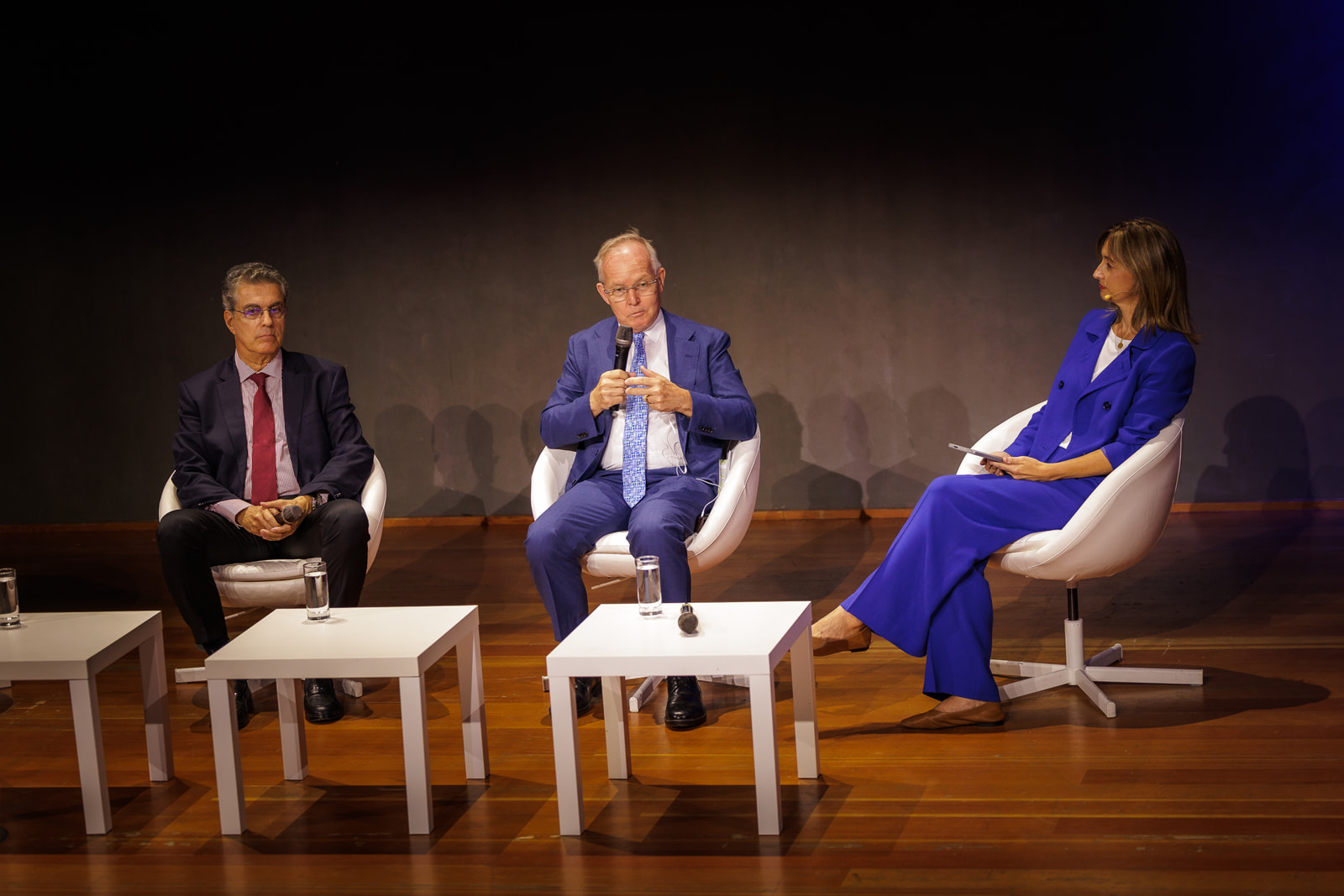
Στο πλαίσιο της εκδήλωσης πραγματοποιήθηκε επίσης συζήτηση με θέμα «Αξιοπιστία της Ενημέρωσης και Ανθρώπινα Δικαιώματα», με τη συμμετοχή του Πρέσβη Jan Braathu, Εκπροσώπου του ΟΑΣΕ για την Ελευθερία των Μέσων Ενημέρωσης, και του Λίνου-Αλέξανδρου Σισιλιάνου, Προέδρου του Ιδρύματος Μαραγκοπούλου για τα Δικαιώματα του Ανθρώπου, Καθηγητή στη Νομική Σχολή του Εθνικού και Καποδιστριακού Πανεπιστημίου Αθηνών και πρώην Προέδρου του Ευρωπαϊκού Δικαστηρίου Δικαιωμάτων του Ανθρώπου. Η συζήτηση ανέδειξε τη σημασία της πρόσβασης σε αξιόπιστη ενημέρωση, της ελευθερίας των μέσων ενημέρωσης και της προστασίας των ανθρώπινων δικαιωμάτων για τη λειτουργία μιας ισχυρής και ανθεκτικής δημοκρατίας.

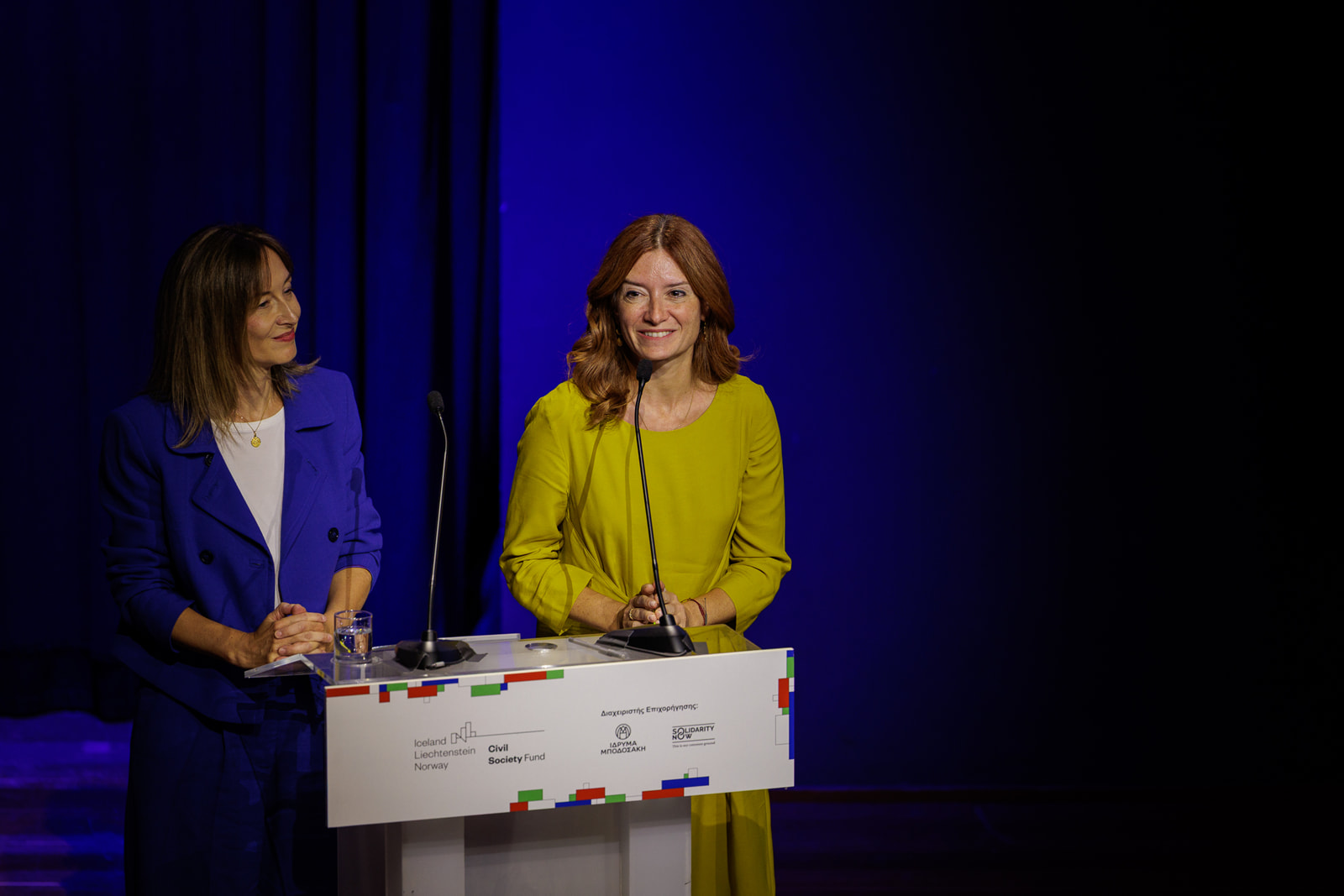
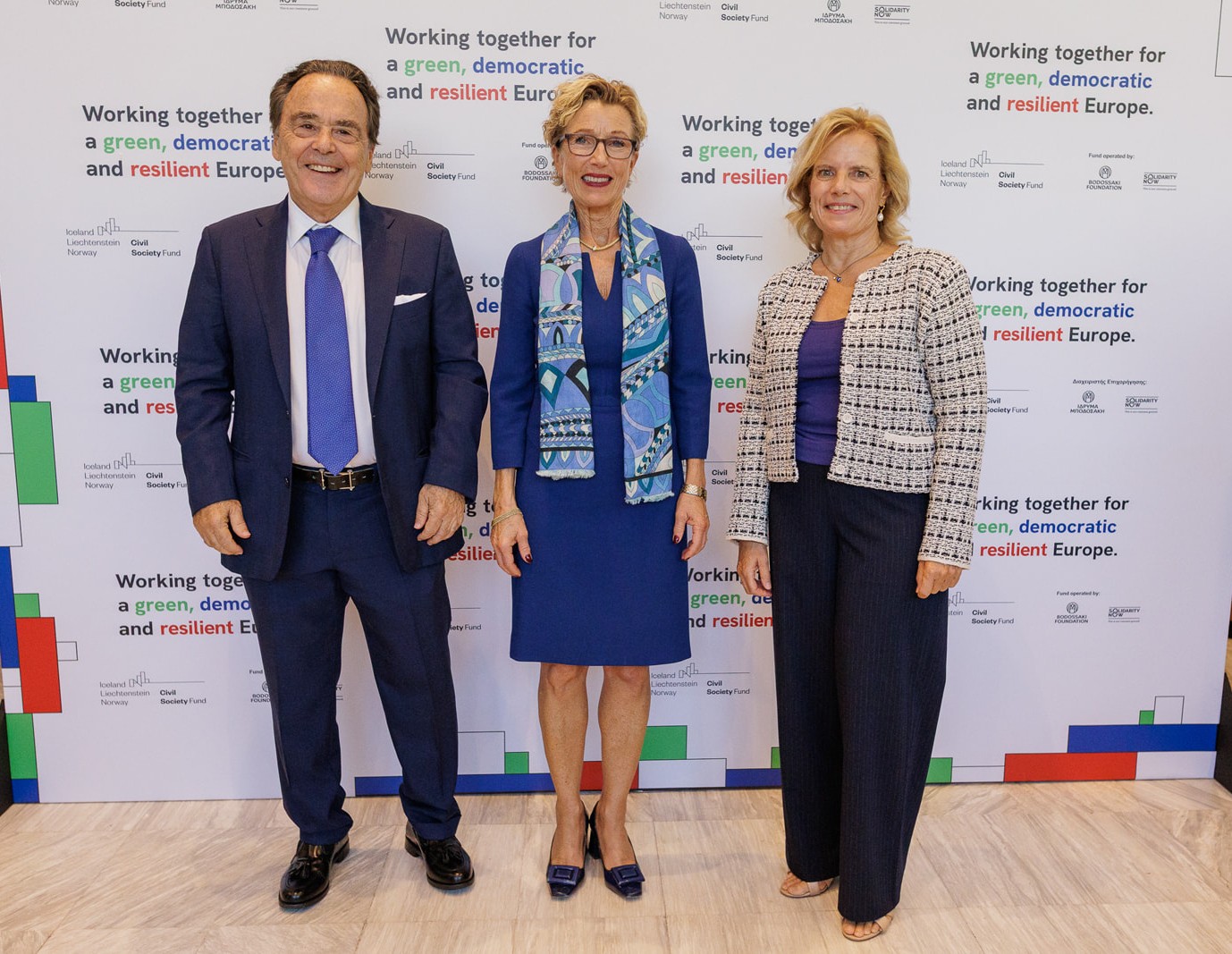
Χαιρετισμό απηύθυναν η Αθηνά Δεσύπρη, Πρόεδρος του Ιδρύματος Μποδοσάκη, ο Στέλιος Ζαββός, Πρόεδρος του SolidarityNow, και η Α.Ε. Harriet Elisabeth Berg, Πρέσβης της Νορβηγίας στην Ελλάδα.

«Η σημερινή έναρξη του EEA Civil Society Fund Greece σηματοδοτεί την αρχή ενός νέου και σημαντικού κεφαλαίου για την Κοινωνία των Πολιτών στην Ελλάδα», ανέφερε η Αθηνά Δεσύπρη, ευχαριστώντας τις δωρήτριες χώρες για τη διαχρονική στήριξή τους στη δημοκρατία, τα ανθρώπινα δικαιώματα και την Κοινωνία των Πολιτών στη χώρα μας. Αναφερόμενη στην επιλογή του Ιδρύματος Μποδοσάκη, για τρίτη φορά, ως Διαχειριστή Επιχορήγησης προγράμματος των EEA Grants τόνισε ότι οι στόχοι του CSF ευθυγραμμίζονται με το όραμα του Ιδρύματος για μια κοινωνία ίσων ευκαιριών, με δυνατότητες και προοπτική για όλους, υπογραμμίζοντας παράλληλα τη δέσμευση του Ιδρύματος για αποτελεσματική αξιοποίηση της χρηματοδότησης και δημιουργία μακροπρόθεσμου αντίκτυπου. «Σε μια εποχή αυξανόμενης πόλωσης, θα επενδύουμε σε πρωτοβουλίες που ενώνουν ανθρώπους, ενισχύουν την κοινωνική συνοχή και τη δημοκρατική συμμετοχή», σημείωσε.

O Στέλιος Ζαββός, δήλωσε: «Το EEA Civil Society Fund Greece αποτελεί μια σημαντική επένδυση στις οργανώσεις και στους ανθρώπους που εργάζονται καθημερινά για μια πιο δημοκρατική, συμπεριληπτική και δίκαιη κοινωνία. Σε μια περίοδο σύνθετων προκλήσεων, η ανάγκη για οργανώσεις που υπερασπίζονται τα ανθρώπινα δικαιώματα και ενισχύουν τη συμμετοχή των πολιτών στο δημόσιο διάλογο είναι πιο επιτακτική από ποτέ. Γιατί μια ισχυρή και ανεξάρτητη Κοινωνία των Πολιτών βρίσκεται στον πυρήνα μιας ανθεκτικής δημοκρατίας. Ως SolidarityNow, είμαστε ιδιαίτερα περήφανοι που, μαζί με το Ίδρυμα Μποδοσάκη, αναλαμβάνουμε εκ νέου τη διαχείριση αυτού του σημαντικού προγράμματος, το οποίο θα υλοποιήσουμε με διαφάνεια, αξιοκρατία και ουσιαστική συνεργασία με την Κοινωνία των Πολιτών. Για εμάς, οι οργανώσεις δεν είναι απλώς αποδέκτες της χρηματοδότησης. Είναι οι εταίροι μας και, κυρίως, οι φορείς της αλλαγής που θέλουμε να δούμε στην κοινωνία».

Η Πρέσβης της Νορβηγίας στην Ελλάδα, Harriet E. Berg, δήλωσε: «Η δημοκρατία δεν είναι δεδομένη. Σε ολόκληρη την Ευρώπη, παρατηρούμε έντονες πιέσεις προς την Κοινωνία των Πολιτών, αυξανόμενη παραπληροφόρηση και συνεχείς προσπάθειες υπονόμευσης της εμπιστοσύνης στους δημοκρατικούς θεσμούς. Μέσω του EEA Grants Civil Society Fund, η Νορβηγία, η Ισλανδία και το Λιχτενστάιν κάνουν μια σαφή επιλογή: να σταθούν στο πλευρό των πολιτών, των δημοκρατικών θεσμών και των ανθρώπινων δικαιωμάτων. Στην Ευρώπη, έχουμε διαθέσει συνολικά €327 εκ. σε 15 χώρες. Στην Ελλάδα, η στήριξή μας υπερβαίνει τα €36 εκ. τα τελευταία 15 χρόνια, συμβάλλοντας στην οικοδόμηση μιας ισχυρότερης και πιο ανθεκτικής Κοινωνίας των Πολιτών.»

ARTICLE | World Day Against Trafficking in Persons, 30 July


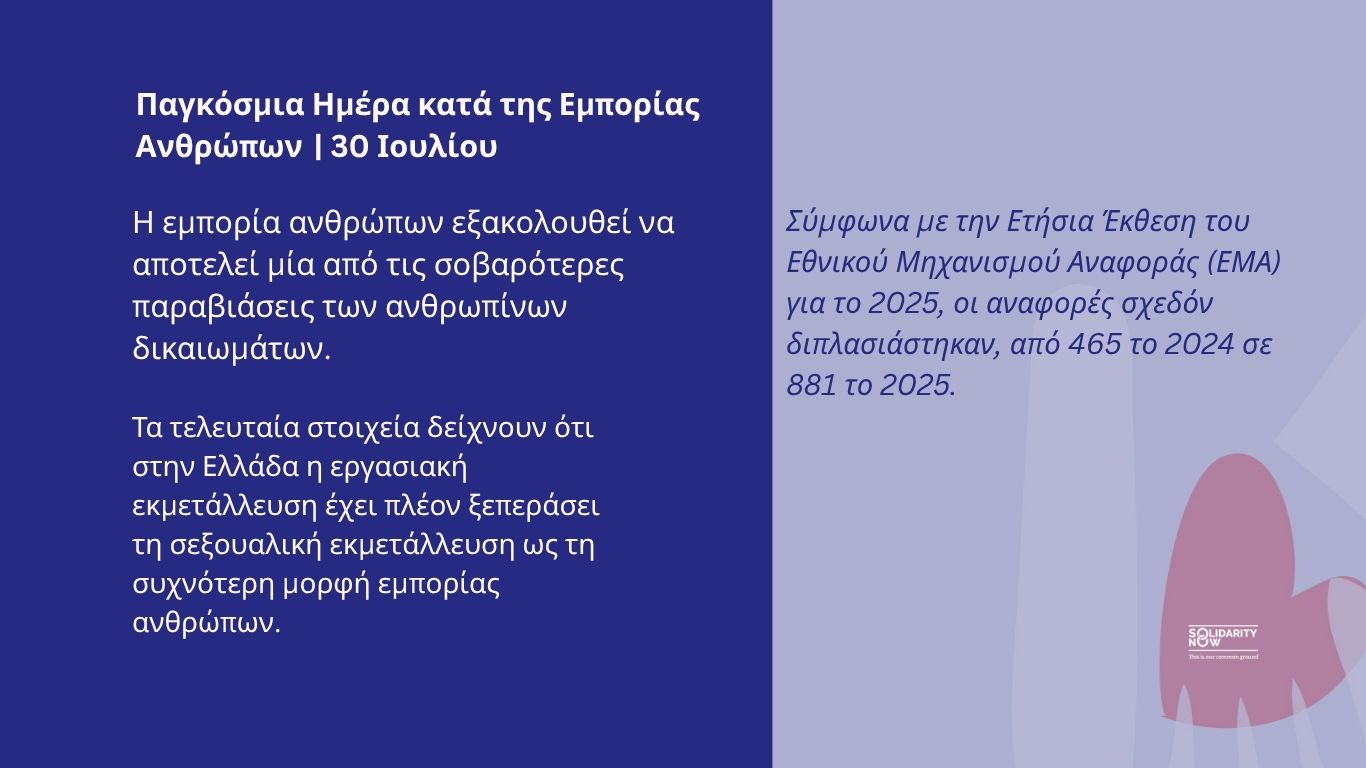
Human trafficking remains one of the most serious human rights violations. According to the 2025 Annual Report of the National Referral Mechanism (NRM), the number of referrals nearly doubled, rising from 465 in 2024 to 881 in 2025.

The latest data show that labor exploitation has now surpassed sexual exploitation as the most common form of human trafficking in Greece. A total of 543 cases of labor exploitation were recorded, representing a 154% increase compared to the previous year, while sexual exploitation remained the second most common form, with 252 reported cases.

The increase in reported cases is a stark reminder that human trafficking continues to evolve as a severe human rights violation. Addressing it effectively requires coordinated action, cross-sectoral collaboration, and sustained investment in prevention, early identification, and victim protection.

SolidarityNow has actively contributed to strengthening Greece’s national response through the PROCAP project, implemented in partnership with the National Centre for Social Solidarity (EKKA) and KMOP – Social Action and Innovation Centre. As acknowledged in the NRM Annual Report, the project enhanced the capacity of frontline professionals to identify and protect potential victims of human trafficking through specialized training, the development of practical tools such as thematic pocket guides, and the creation of a digital learning platform.

In parallel, through two Mobile Units operating in Attica and Central Macedonia, the project provided tailored support to individuals at heightened risk of human trafficking. Overall, 303 people from 28 countries received support through 2,178 individual sessions, during which integrated legal, psychosocial, and material assistance was provided based on personalized action plans and a holistic protection approach.

At the same time, SolidarityNow actively participates in the Interdisciplinary Working Group for the Protection of Victims of Human Trafficking, established at the initiative of the Ministry of Migration and Asylum. Through this participation, we contribute to coordination efforts, knowledge exchange, and the development of effective policies and practices for the prevention, early identification, protection, and support of victims of human trafficking.

Through our institutional engagement, the provision of specialized services, and close cooperation with public authorities and civil society organizations, we remain committed to strengthening the national protection system and ensuring that every victim has timely access to protection and the rights they are entitled to.

ARTICLE | The importance of evening education for labor market integration: A growing trend


At SolidarityNow’s Employment Service, we have recently observed a steady increase in requests from people with a refugee background who wish to enroll in Evening High Schools. This is not simply an interest in education for its own sake, but a highly practical decision. Through their own experience, they have come to understand that learning Greek and obtaining a Greek secondary education certificate are essential steps towards moving beyond low-skilled employment and accessing better job opportunities, higher wages and improved working conditions.

The information gap

Most of the people who seek support from our Employment Service are unaware that they have both the legal right and the practical opportunity to attend an evening school while working. Many assume that the need to earn a living immediately automatically rules out any possibility of continuing their education.

The Practical Role of the Employment Counsellor

Supporting people living in vulnerable circumstances goes far beyond job-search counselling. Employment counsellors also provide practical guidance that helps individuals combine education and employment. This includes:

  1. Assessing needs and skills: Evaluating each person’s educational background from their country of origin, as well as their level of Greek language proficiency.
  2. Presenting available pathways: Providing detailed information about the structure, timetable, and admission requirements of Evening High Schools.
  3. Turning information into an achievable goal: Once individuals realize that this educational pathway is both realistic and attainable, we work together to redesign their employment plan, focusing on jobs with morning or fixed working hours that allow them to attend school in the evening.

Why Does This Matter to Employers?

Employees who successfully combine full-time work with evening education bring valuable qualities to the workplace. Balancing an eight-hour workday with four hours of classes every evening requires exceptional time management, discipline, commitment and determination.

For employers, these individuals often prove to be reliable and dedicated employees whose consistency and strong work ethic have already been demonstrated in practice.

At SolidarityNow, we remain committed to supporting this double effort by providing personalized guidance and connecting individuals with employers who recognize the value of lifelong learning and are willing to accommodate their educational commitments.

The Employment Service at SolidarityNow’s Solidarity Centers in Athens and Thessaloniki is supported by the Swiss-Greek Cooperation Programme (Embassy of Switzerland in Greece), which aims to reduce economic and social disparities within the EU and by the Greek Ministry of Migration and Asylum.

ARTICLE | When Bureaucracy Closes the Door to Employment


The barriers keeping refugees and asylum seekers out of the labor market

“We have no other choice. We will have to terminate his contract. I’m sorry.”

These were the words an employer used when informing an Employment Counsellor from the organization’s Employment Service that they were forced to dismiss a worker who had only recently been hired with the support of the team.

Not because he was unable to do his job or because he lacked the willingness to work. But because he was unable to complete the administrative procedures required for his employment in time.

Unfortunately, this is far from an isolated incident.

In recent years, the SolidarityNow Employment Service has seen a growing number of employers hesitate to hire refugees and asylum seekers or even discontinue employment processes that had already begun. Not because of prejudice, nor because candidates lack the necessary qualifications, but because bureaucracy turns recruitment into a lengthy, uncertain and time-consuming process.

The paradox is striking. At a time when the Greek labor market is facing acute staff shortages, particularly in manufacturing, hospitality, tourism, construction and many other sectors, people who are willing and able to work remain excluded, not by the labor market itself, but by administrative procedures.

We encounter such cases daily.

At a manufacturing company in Thessaloniki, one employee had to miss work on seven separate occasions to complete the procedures for obtaining a Social Security Registration Number (AMA) and opening a bank account. The repeated absences ultimately led to the termination of his employment.

In other cases, employers who had collaborated with our Employment Service for years and had consistently hired refugees informed us that they would no longer consider candidates who did not already possess an AMA and an active bank account. Not because they questioned their abilities, but because they could no longer bear the cost, delays and uncertainty associated with completing the required administrative procedures.

Beneficiaries describe similar experiences themselves. Many have successfully completed interviews and received job offers, only to lose the opportunity because they could not obtain the required documentation in time. Businesses need staff immediately and cannot wait weeks or even months for procedures that should be straightforward and routine.

When a Simple Procedure Becomes an Administrative Maze

Recently, we have observed another serious challenge. The PAAYPA (Temporary Social Security and Healthcare Number for Foreign Nationals) assigned to asylum seekers is frequently deactivated without prior notice.

To reactivate it, individuals must first contact the Reception Facility where they reside. The facility then communicates with the Asylum Service to request reactivation. Afterwards, a new appointment with the Social Security Institution (e-EFKA) is required to obtain an AMA. If the individual does not have Taxisnet credentials, an additional visit is necessary, as the AMA is no longer issued on the spot but becomes available several days later.

A procedure that could easily be completed electronically is instead transformed into a chain of appointments, waiting periods and administrative delays.

The consequences are clear. Employees are forced to repeatedly request time off work, employers lose valuable productivity, and public services become overwhelmed with cases that could be handled far more efficiently.

And Once That Is Resolved, a Second Challenge Begins

Opening a bank account often proves to be an even greater obstacle.

Through our Employment Service, we have encountered banks that refuse to open accounts for asylum seekers even when they hold a valid employment contract. Others require the presence of one or even two certified interpreters, who must also sign the banking documents. In cases involving people experiencing homelessness, declarations of accommodation or certificates issued by municipal shelters have even been rejected as proof of address.

In other words, a person may have secured a job, possess all the legal documentation required to work, and have an employer ready to hire them, yet still be unable to receive their salary because they cannot open a bank account.

At the same time, different banks, and even different branches of the same bank, often apply inconsistent practices and request different supporting documents, creating uncertainty for both employees and employers alike.

In many cases, these issues are resolved only through the persistence of social workers, employment counsellors or even employers themselves, who are forced to invest significant time and effort in navigating procedures that should function smoothly without external intervention.

Everyone Loses

Employment is the single most important pathway to inclusion. It enables economic independence, dignified living and meaningful participation in society.

Today, however, the greatest barrier is neither employers’ willingness to hire nor refugees’ and asylum seekers’ willingness to work. It is an administrative system that continues to generate delays, inconsistencies and unnecessary bureaucracy.

As a result, everyone loses; people seeking the opportunity to rebuild their lives, businesses struggling to fill critical vacancies, social services that are compelled to compensate for administrative shortcomings and ultimately the Greek economy itself.

Removing these barriers is not simply a matter of protecting rights. It is a prerequisite for a labor market that functions efficiently and benefits workers, businesses and society.

PRESS RELEASE | When Football Becomes a Tool for Inclusion: RoMOVE project concludes in Katerini


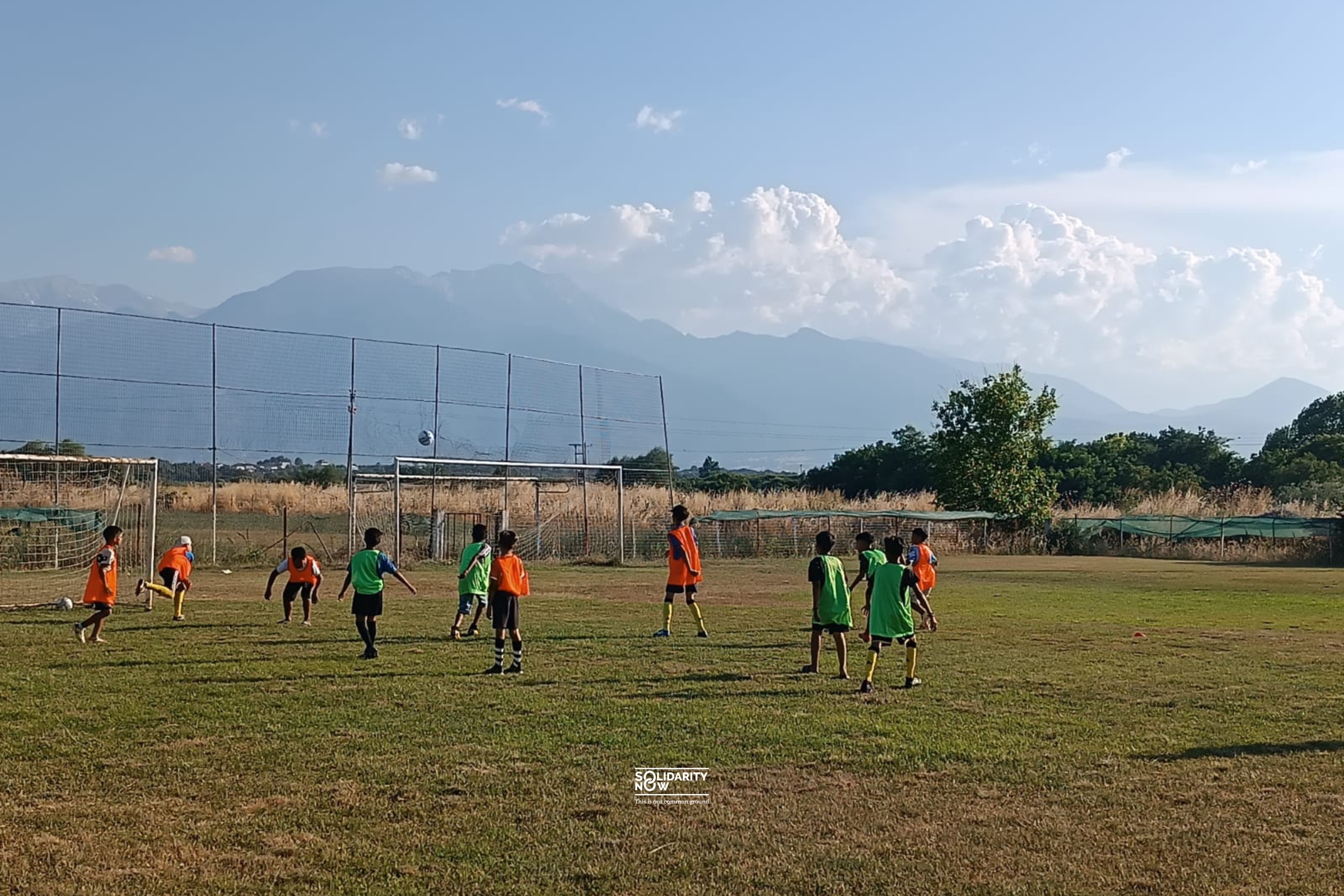
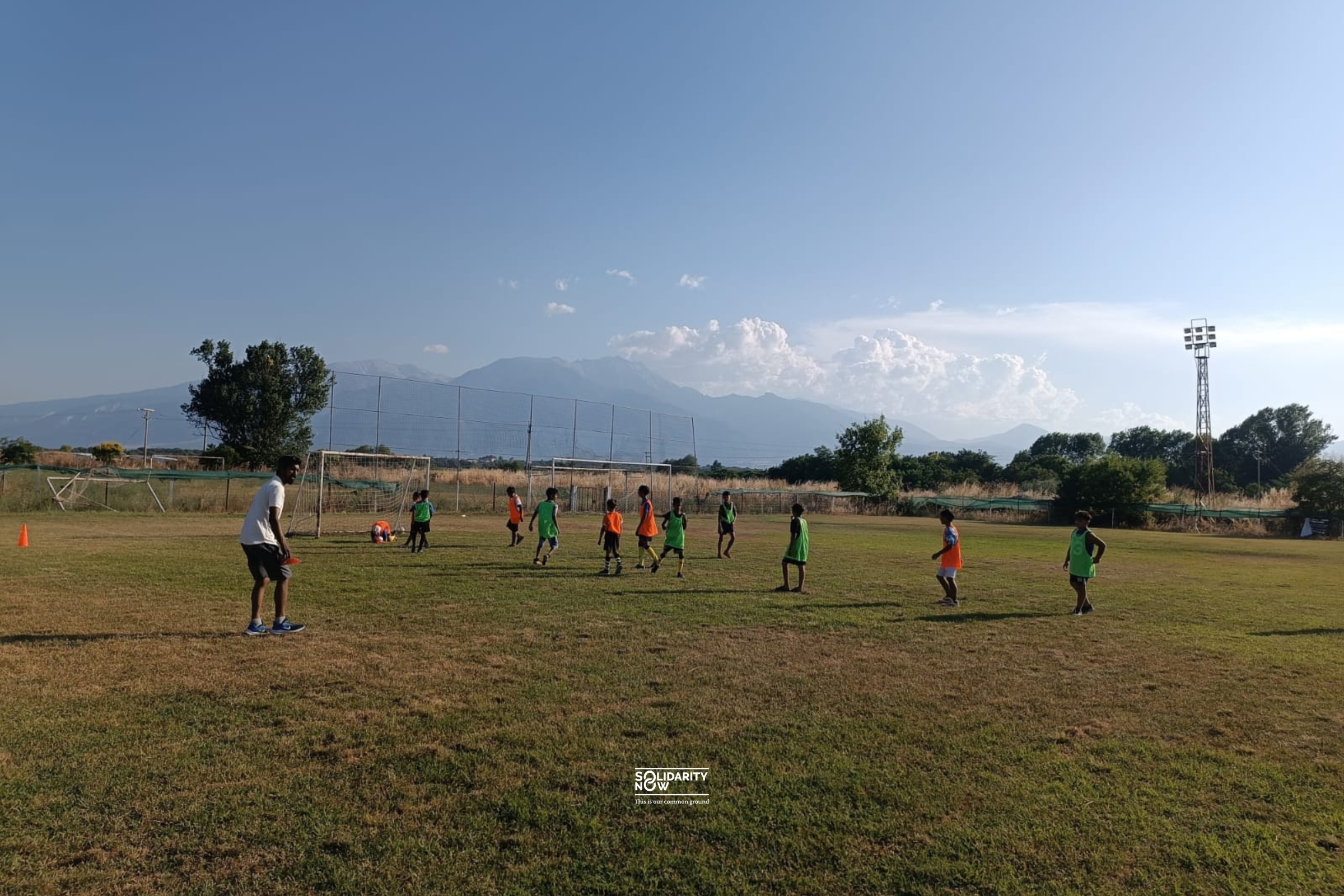
With football capturing global attention worldwide, the RoMOVE project has successfully concluded, highlighting the power of sport, and football in particular, not only on the pitch, but also as a catalyst for inclusion, empowerment, and social cohesion.

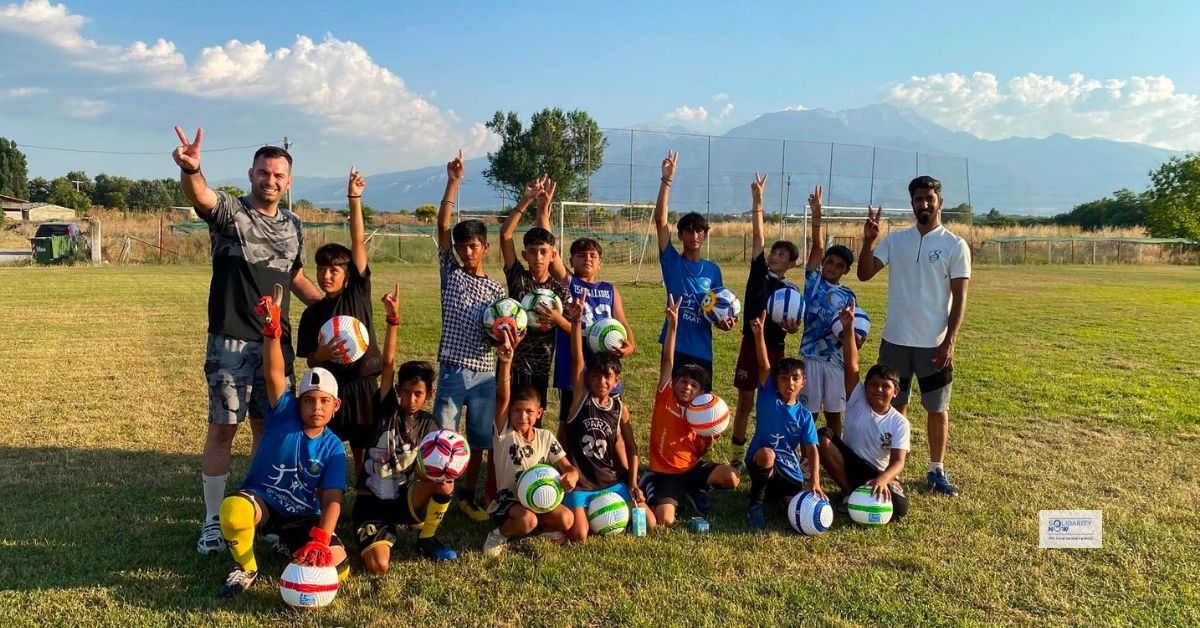
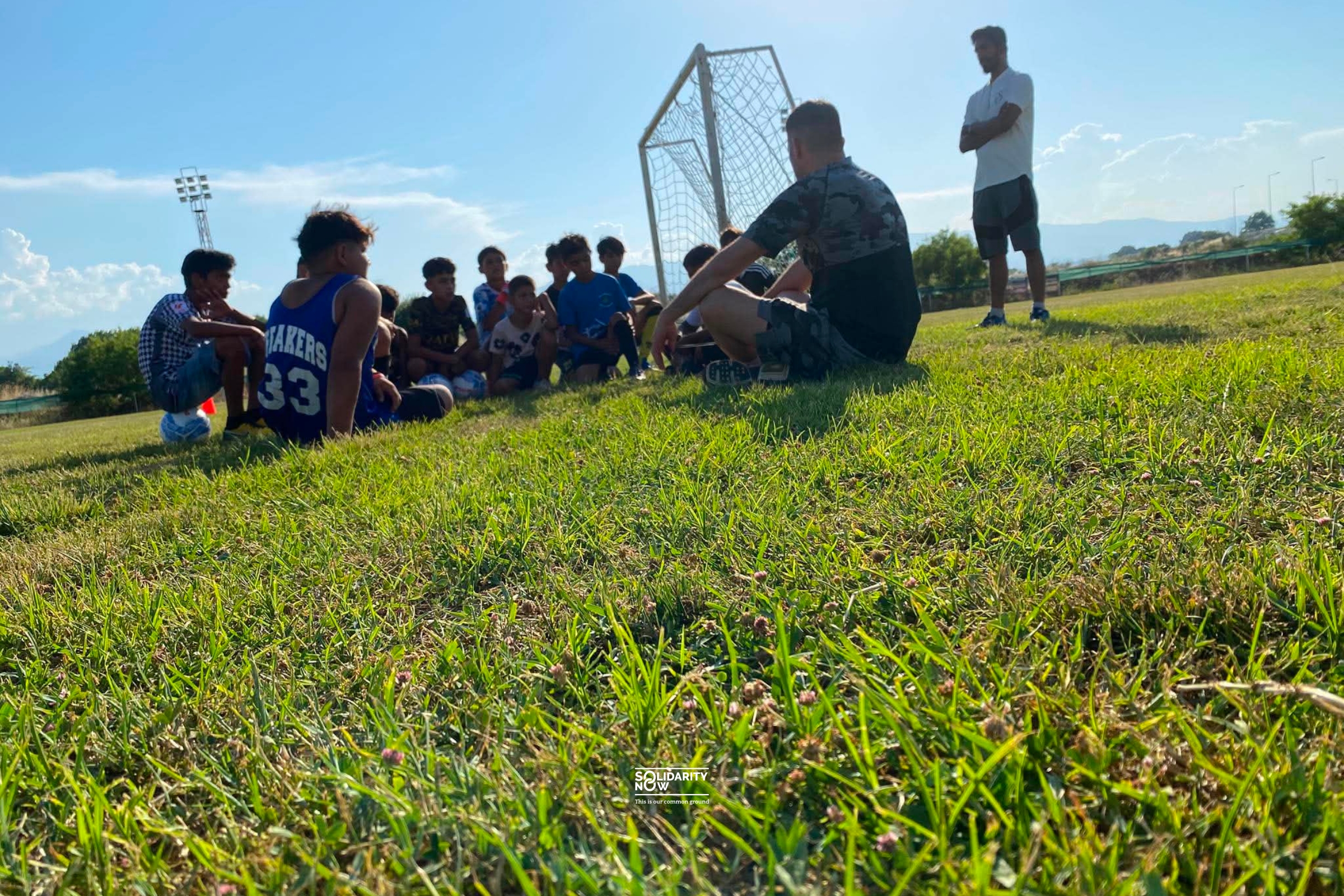
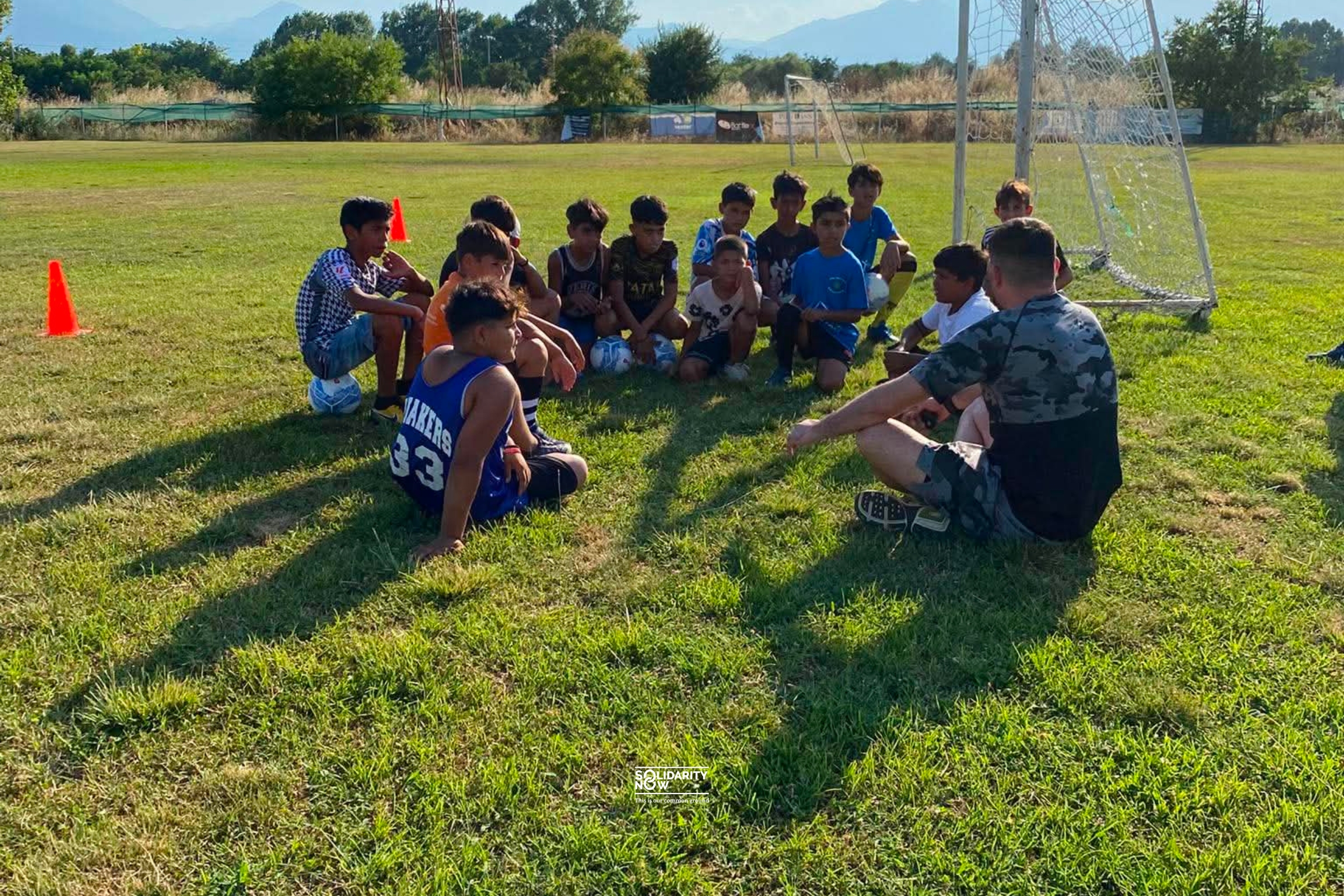
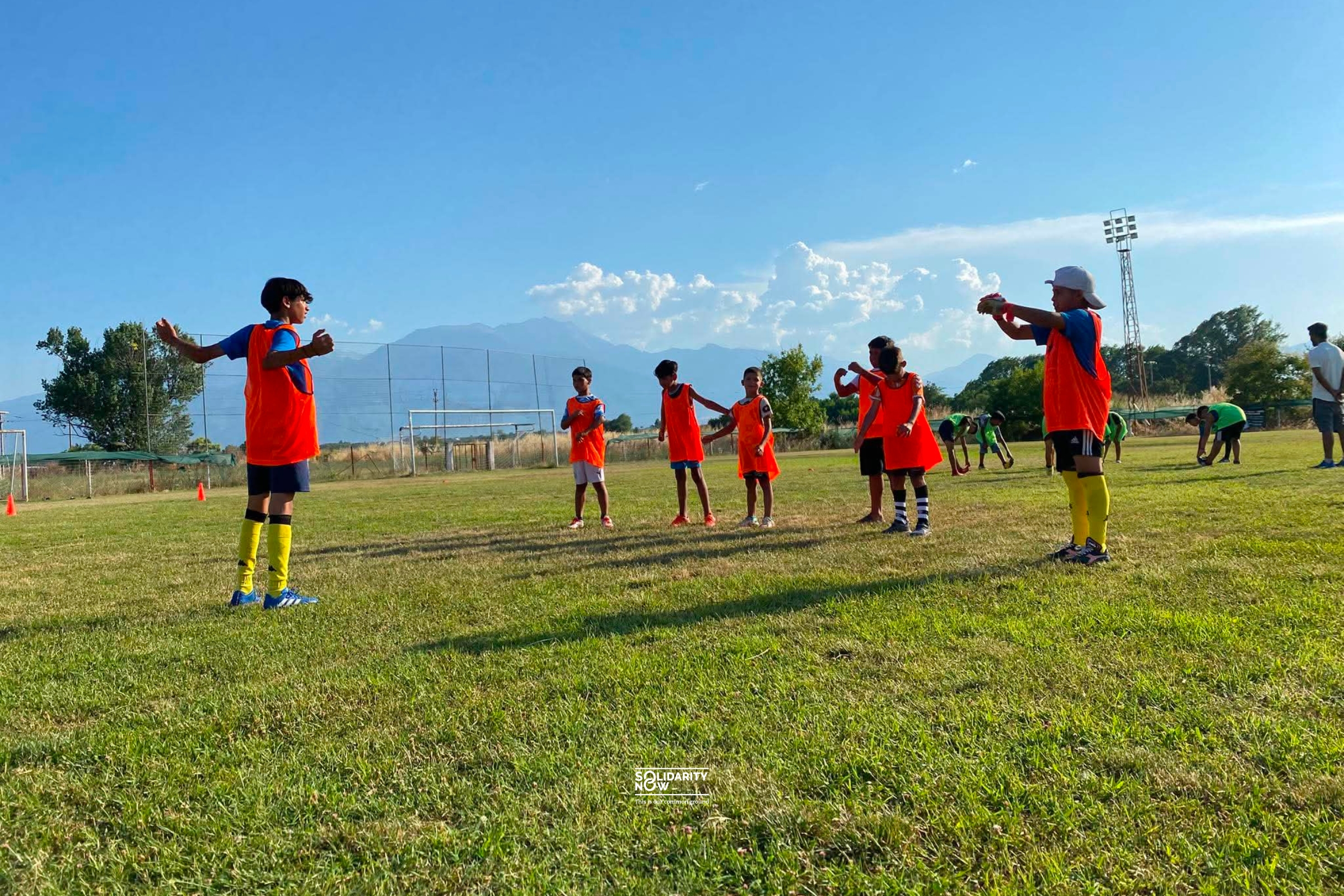
A total of 75 Roma children, including 20 girls, participated in the project, taking part in 29 football training sessions held since the beginning of 2026. The weekly sessions provided a consistent space for physical activity, teamwork, and social inclusion through the game.

The project concluded on 30 June with a friendly football match in Pelekas, Katerini, where children and coaches celebrated the completion of the initiative in an atmosphere of enthusiasm, joy, and team spirit.

During the closing event, the children took to the pitch to demonstrate not only their football skills but also the remarkable progress they had made as a team throughout the project. Thanks to its universal appeal and unique ability to bring people together regardless of background or experience, football proved to be the ideal vehicle for delivering the RoMOVE initiative.

RoMOVE focused on creating equal opportunities for Roma children by using sport as a means of personal development and social inclusion. Throughout the project, the coaches supported the participants every step of the way, not only as technical instructors, but also as trusted mentors who fostered participation, collaboration, and personal growth.

*”RoMOVE: Empowering Roma Children Through Sport” was implemented by SolidarityNow with the support of the NIKE DIRECT STORE Fund, managed by the King Baudouin Foundation.


PRESS RELEASE | Event at the Athens Solidarity Center marking the completion of funding under the Swiss–Greek Cooperation Programme


An event was held at the Athens Solidarity Center (ASC) to mark the completion of funding under the Swiss–Greek Cooperation Programme for the period August 2023 – July 2026, in an atmosphere of collaboration and constructive dialogue. The event was honoured by the presence of the Deputy Minister of Migration and Asylum, Ms Sevi Voloudaki, while stories, data, and results were presented, highlighting the social impact of the Center and its contribution to supporting people in vulnerable conditions.

The event was also addressed by Ms Konstantina Papakosta, Secretary General for Migration Policy; Mr Heracles Moskoff, Secretary General for Vulnerable Citizens and Institutional Protection of the Ministry of Migration and Asylum; Ms Aita Pult, Deputy Head of Mission & Chargée d’Affaires of the Embassy of Switzerland in Greece; and Ms Mina Fountzoula, Deputy Mayor of Athens for Social Solidarity and Urban Fauna & Animal Welfare. Representatives of embassies, international organizations, Civil Society organizations, local authorities, and other partner organizations also attended the event.

Since 2014, the Athens Solidarity Center has stood continuously by the side of the most vulnerable members of society, providing free social welfare services, legal and psychosocial support, employment counselling, and financial guidance. During the three-year funding period under the Swiss–Greek Cooperation Programme, a total of 10,351 people received support through the Center’s services.

The Founder and Chairman of the Board of Directors of SolidarityNow, Mr Stelios Zavvos, welcomed the guests, stating: “The most important advantage of the Athens Solidarity Center is that it does not observe society from a distance; it meets society every day. Through this approach, the Center is not only a place where services are provided, but also a space where people’s experiences are transformed into knowledge. I would like to thank our supporters, the Embassy of Switzerland and the Ministry of Migration and Asylum, for our long-standing and meaningful cooperation, both today and in the future.” In the same spirit, Mr. Efthymios Vidalis, Vice President of the Board of Directors, highlighted the importance of responsible resource management, transparency, and accountability, values that guide the organization’s work.

The Deputy Minister of Migration and Asylum, Ms Sevi Voloudaki, stated: “Today’s presentation of SolidarityNow’s results confirmed that solidarity, when combined with methodology and consistency, can be transformed into measurable social impact. More than one hundred thousand people have received support since the launch of the organization’s Solidarity Centers, with one in four beneficiaries finding employment. Protecting people in vulnerable situations is an institutional priority. The cooperation between the State, Civil Society, and our international partners remains the model we seek to further strengthen.”

Following this, Ms Konstantina Papakosta, Secretary General for Migration Policy, highlighted: “The work of the Center has a significant social footprint, particularly following the launch of the operational phase of the New Pact on Migration and Asylum, which means: a. the acceleration of asylum procedures and the return of those who do not meet the criteria for refugee status and b. the integration of those entitled to international protection. The Ministry’s actions for people entitled to international protection place strong emphasis on integration. Integration means education, access to the labor market, and meaningful support with every small or major challenge, enabling people to become active members of society.”

Similarly, Mr Heracles Moskoff, Secretary General for Vulnerable Citizens and Institutional Protection, stated: “I was here when the Center was inaugurated 13 years ago, during the period of the crisis. At that time, the Municipality had the vision to create what we are all supporting today: this synergy between funders, the State, and Civil Society, to provide services to our most vulnerable fellow citizens. Over the past 13 years, this mission has been served in the best possible way. We are deeply grateful for the Swiss contribution and for the cooperation we have built, which ensures that this added value will have a future and will continue to provide solutions to the challenges faced by vulnerable members of our society.”

Representing the Embassy of Switzerland in Greece, Ms Aita Pult, Deputy Head of Mission & Chargée d’Affaires, noted: “This is one of the most successful projects of the Swiss–Greek Cooperation Programme, as it has ensured free and equal access to services for all, regardless of social background or legal status. Access to such services is a fundamental right that we must continue to support. The importance of creating a safe and inclusive environment cannot be underestimated.”

Finally, on behalf of the Municipality of Athens, Ms Mina Fountzoula, Deputy Mayor for Social Solidarity and Urban Fauna & Animal Welfare, emphasized: “I had the opportunity to be here when the Athens Solidarity Center was inaugurated, during the mayoral term of Giorgos Kaminis. It was a period when the city was facing enormous challenges, as thousands of people were arriving in Greece seeking international protection and in need of immediate support. Today, I am here representing the Mayor of Athens, Haris Doukas, and I see that, despite the changes of recent years, the need for the Center’s services remains equally urgent. The Athens Solidarity Center is a stable pillar of support for the city and its most vulnerable residents.”

The event concluded with an interactive activity involving the guests, which led to a lively dialogue with the Center’s professionals. Within just one minute, each professional highlighted the importance of the service they provide, shared real stories of people’s journeys towards inclusion and reintegration, and reminded everyone that behind every number there is a person, a story, and a new beginning. 

Watch the related video here.

ARTICLE | Panhellenic Exams: Results & Positive Parenting


Panhellenic Exams: Is it time to redefine what success means?

Every year, when the results of the Panhellenic Exams are announced, the conversation revolves around the same questions: “Did they get in?” “What grade did they get?” “Which university did they enter?” “Medicine or Law?” As if a young person’s value could be summed up by a university department, a grade, or a list of successful candidates.

And yet, reality is far more complex.

The Panhellenic Exams are one pathway towards higher education. They are not the only ones.

When parents’ anxiety becomes pressure…

No parent puts pressure on their child because they want to make things harder for them. Most do so unintentionally, because they believe they are protecting them. We have grown up in a society that has taught us that a “good life” and “success” are closely linked to obtaining a university degree, and even more so to pursuing certain professions associated with social prestige, such as Medicine, Law or Engineering.

As a result, we often pass on our own beliefs and expectations to our children without even realizing it. The message they receive is often clear:

“These are the right choices.”, “If you don’t become a doctor, you will not find a job.”, “First finish your degree, and then do what you love.”

What if the dream is not theirs?

Every child has different strengths, interests, and ways of expressing their potential. However, when we view certain professions as more “valuable” than others, we risk depriving children of the opportunity to discover who they truly are, what they want to create in their lives, and ultimately the possibility of building a fulfilling future based on their own choices.

A child may have a passion for the arts, technology, sports, gastronomy, tourism, entrepreneurship, or a technical profession. They may thrive in a field we had never even considered. When all conversations lead towards only one direction, other options begin to look like “failure”, when in reality they are simply different paths.

The paradox is that society continues to promote certain professions as the safest choices, while the labor market itself is changing rapidly, driven by technological developments.

In several sectors traditionally considered prestigious, there is intense competition and, in some cases, oversaturation. At the same time, there are professions and technical specializations with high demand, significant opportunities for growth, and great potential that continue to be perceived as “second choices”.

Perhaps, then, it is worth asking ourselves: why do we consider the work of a lawyer or a doctor more valuable than the work of an electrician, a plumber, a carpenter, or a technician?

Why are some professions associated with greater social prestige, while others, professions that are equally essential to the everyday functioning of society and often offer excellent career prospects, continue to be viewed as “second-class” choices?

Reality reminds us that success does not depend solely on the degree someone obtains, but also on whether their knowledge, skills, and choices respond to the needs and opportunities of the times.

The role of parents is not to choose their child’s future

Positive Parenting does not mean leaving children without guidance. It means helping them discover who they are, what their strengths are, what truly suits them, and what they want to pursue to build a happy and meaningful life.

It means asking questions rather than providing ready-made answers.

Encouraging exploration instead of comparison.

Talking about skills, interests, and values, not only about exam scores, university departments, degrees, and social status.

Because a young person who chooses a path that reflects who they are is far more likely to grow, develop their potential, and feel fulfilled than someone who follows a path simply because it is considered socially acceptable.

Let’s raise children who make choices, not children who are afraid to choose

The greatest success is for every child to discover their potential, develop their skills, and build their own path with confidence.

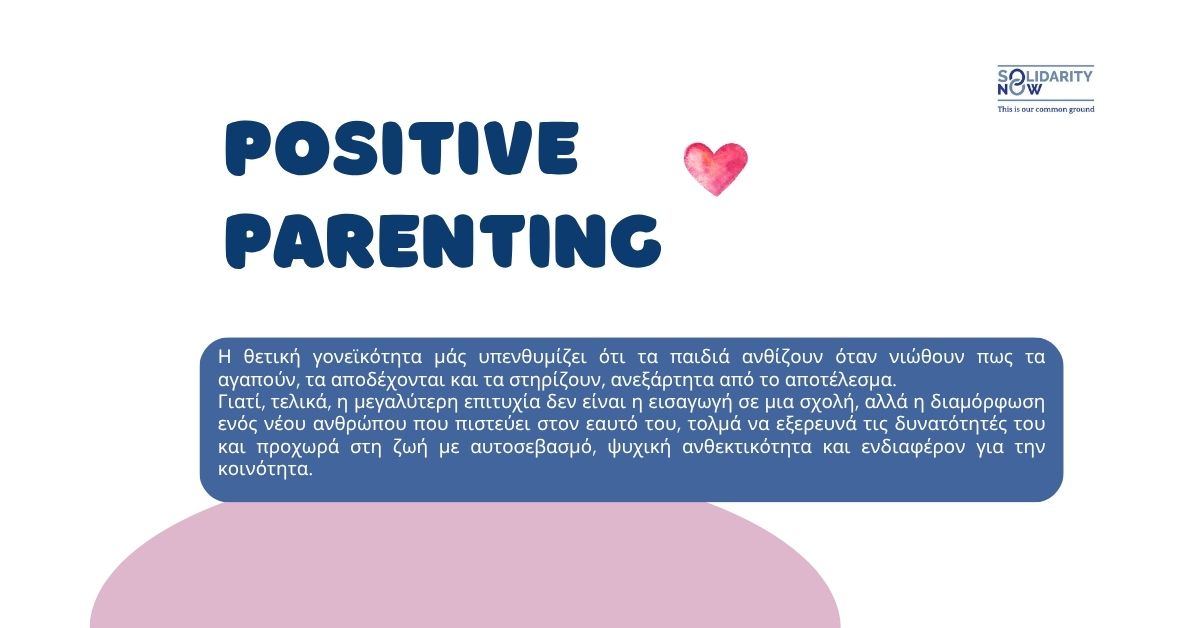
Positive Parenting reminds us that children thrive when they feel loved, accepted, and supported, regardless of the outcome.

Because, ultimately, the greatest achievement is not entering a university department. It is the development of a young person who believes in themselves, dares to explore their abilities, and moves through life with self-respect, resilience, and a sense of connection with their community.

*This article is based on the principles of the Triple P – Positive Parenting Program, that was implemented in Greece within the framework of the National Action “Promoting of Family and Child Health”, carried out by the Ministry of Health in cooperation with UNICEF Greece and a number of partners, including SolidarityNow. The program is funded by the Recovery and Resilience Facility – NextGenerationEU.

ΚΟΙΝΟ ΔΕΛΤΙΟ ΤΥΠΟΥ | Αγώνας Δρόμου για την Παγκόσμια Ημέρα Πρόσφυγα «Run for HOPE – Βόλος 2026»


Με αφορμή την Παγκόσμια Ημέρα Πρόσφυγα που τιμάται κάθε χρόνο στις 20 Ιουνίου, το SolidarityNow και η ΑΡΣΙΣ διοργανώνουν τον συμβολικό Αγώνα Δρόμου «Run for HOPE – Βόλος 2026», την Τετάρτη 17 Ιουνίου 2026, στις 19:00, στην παραλία του Βόλου.

Η δράση, μήκους 2,2 χιλιομέτρων, είναι αφιερωμένη στο θάρρος και στην ανθεκτικότητα των ανθρώπων που αναγκάστηκαν να εγκαταλείψουν τις πατρίδες τους αναζητώντας ασφάλεια, αξιοπρέπεια και ελπίδα.

Κεντρικό θέμα της διοργάνωσης είναι «το Θάρρος και η Ελπίδα», με στόχο να αναδειχθούν οι αξίες της αποδοχής, της κοινωνικής συνοχής, της συμπερίληψης και της αλληλεγγύης μέσα από τη δύναμη του αθλητισμού και της συλλογικής συμμετοχής.

Ο Αγώνας θα πραγματοποιηθεί σε παραθαλάσσια διαδρομή με σημείο εκκίνησης και τερματισμού τον Ανδριάντα Αλέξανδρου Παπαδιαμάντη, στον Άγιο Κωνσταντίνο. Οι συμμετέχοντες θα κινηθούν κατά μήκος του παραλιακού πεζοδρομίου έως το σημείο ελέγχου (checkpoint) στο άγαλμα του Ιάσονα και στη συνέχεια θα επιστρέψουν από την ίδια διαδρομή στο σημείο εκκίνησης.

Η πρωτοβουλία απευθύνεται σε πολίτες κάθε ηλικίας, αθλητές, οικογένειες, συλλόγους και φορείς της τοπικής κοινωνίας, στέλνοντας το μήνυμα ότι το θάρρος δεν γνωρίζει σύνορα και ότι η αλληλεγγύη μπορεί να ενώνει ανθρώπους και κοινότητες.

Η διοργάνωση πραγματοποιείται υπό την αιγίδα του Δήμου Βόλου (Αντιδημαρχία Κοινωνικής Μέριμνας – Αλληλεγγύης – Ισότητας & Διαχείρισης Κοινωνικών Κέντρων & Αντιδημαρχία Παιδείας – Εκπαίδευσης) και με την υποστήριξη της Λέσχης Ειδικών Δυνάμεων Μαγνησίας, εθελοντικής διασωστικής ομάδας.

Για δηλώσεις συμμετοχής και πληροφορίες, επικοινωνήστε από Δευτέρα έως Παρασκευή, από τις 9:00 έως τις 12:00, στα τηλέφωνα: 24280 99939, 6937 141028 ή σκανάρετε το QR Code.

*Το SolidarityNow λειτουργεί το Κέντρο Εξειδικευμένων Υπηρεσιών ΠΥΞΙΔΑ στη Λάρισα και η ΑΡΣΙΣ, το Κέντρο Φιλοξενίας Ασυνόδευτων Ανηλίκων Μακρινίτσας.

*Το SolidarityNow συμμετέχει ως εταίρος στην υλοποίηση του έργου “ΠΥΞΙΔΑ– Συμπληρωματικός Μηχανισμός Υποστήριξης της Εθνικής Στρατηγικής για την προστασία των ασυνόδευτων ανήλικων στην Ελλάδα”. Το έργο χρηματοδοτείται από την Ευρωπαϊκή Ένωση μέσω του Προγράμματος “Πρόγραμμα Ελλάδας – Ταμείο Ασύλου, Μετανάστευσης και Ένταξης 2021-2027″.