ΚΟΙΝΟ ΔΕΛΤΙΟ ΤΥΠΟΥ: Χορήγηση ειδικής άδειας διαμονής στα ασυνόδευτα παιδιά, το αίτημα από 44 ΜΚΟ


Παιδιά χωρίς χαρτιά, παιδιά σε κίνδυνο. Μέχρι πότε … ;

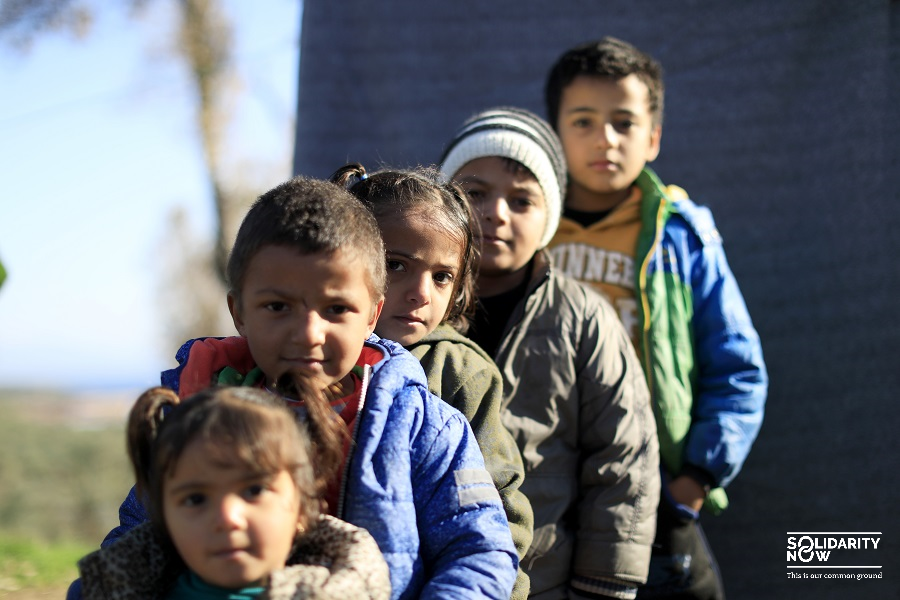
Η πρόσφατη περίπτωση του νεαρού Σαϊντού (Saidou), πρόσφυγα από την Γουινέα, κατέδειξε έντονα το πρόβλημα των ασυνόδευτων παιδιών, τα οποία αν και βρίσκονται στην χώρα υπό την φροντίδα της Πολιτείας, στερούνται ένα μακροχρόνιο πλαίσιο νομικής προστασίας, σύμφωνα με το βέλτιστο συμφέρον τους.

Η συγκεκριμένη υπόθεση, έφερε στην επιφάνεια τη συστημική έλλειψη ενός καθεστώτος προστασίας που να διασφαλίζει την απρόσκοπτη πρόσβαση σε όλα τα δικαιώματα των παιδιών όπως η στέγαση, η εκπαίδευση, η υγεία, η ίση μεταχείριση με κάθε άλλο παιδί. Ο κίνδυνος να στερηθούν τα δικαιώματά τους αυξάνεται και αμέσως μετά την ενηλικίωσή τους, όταν το ενδεχόμενο απέλασης από την χώρα είναι πλέον ορατό.

Στην περίπτωση του Σαϊντού, μετά και την έντονη κινητοποίηση της εκπαιδευτικής κοινότητας και της ευρύτερης κοινωνίας, βρέθηκε λύση για τη νόμιμη διαμονή του, με την χορήγηση ασύλου. Ωστόσο, οφείλουμε να λάβουμε υπόψη μας ότι σε αντίστοιχο νομικό κενό βρίσκονται -και θα βρεθούν- και άλλα ασυνόδευτα παιδιά, είτε πριν, είτε αμέσως μετά την ενηλικίωσή τους. Πρόσφατα, μάλιστα, ήρθαν στην δημοσιότητα αντίστοιχες περιπτώσεις, όπως του νεαρού Cissé στη Σάμο, του Salman στην Αθήνα, του Hemin, του Doaa και του Rahma – αδερφών από το Ιράκ – στο Βύρωνα και τόσες άλλες που ίσως να μην γίνουν γνωστές.

Λαμβάνοντας υπόψη ότι το συγκεκριμένο πρόβλημα καθιστά τα ασυνόδευτα παιδιά ευάλωτα στη βία και εκμετάλλευση, οι Οργανώσεις της Κοινωνίας των Πολιτών ζητάμε τη χορήγηση ειδικής άδειας διαμονής σε αυτά μέχρι τουλάχιστον και την συμπλήρωση του 21ου έτους.

Είναι γνωστό ότι από την κορύφωση των προσφυγικών και μεταναστευτικών ροών, το 2015, μέχρι και σήμερα, πολλά παιδιά έχουν εντοπιστεί στην Ελλάδα, χωρίς την συνοδεία των γονιών τους ή κάποιου ενήλικα που είναι και ο νόμιμα υπεύθυνος για την φροντίδα τους. Η ελληνική πολιτεία, σύμφωνα τόσο με την εθνική νομοθεσία, όσο και με τις διεθνείς συμβάσεις, έχει την υποχρέωση και το αυτονόητο καθήκον να διασφαλίσει το βέλτιστο συμφέρον των ασυνόδευτων παιδιών, φροντίζοντας καταρχάς για την στέγαση, την εκπαίδευση και την πρόσβασή τους σε υπηρεσίες ιατροφαρμακευτικής περίθαλψης.

Πλην ελαχίστων εξαιρέσεων, στην Ελλάδα ο μόνος τρόπος διασφάλισης της προστασίας τους, μέσω της αναγκαίας προϋπόθεσης χορήγησης νομιμοποιητικών εγγράφων, είναι η χορήγηση ασύλου, στην οποία η πλειονότητα των αιτημάτων των παιδιών απορρίπτεται είτε σε πρώτο είτε σε δεύτερο βαθμό.

Ως εκ τούτου τα παιδιά αυτά, και μέχρι να ενηλικιωθούν, αν και βρίσκονται σε Δομές Φιλοξενίας Ασυνόδευτων Ανηλίκων με απόφαση του αρμόδιου Εισαγγελέα και της Ειδικής Γραμματείας του Υπουργείου Μετανάστευσης και Ασύλου, αν και παρακολουθούν την δημόσια εκπαίδευση, και κατ’ επέκταση δημιουργούν σε έναν βαθμό βιοτικούς δεσμούς με την Ελλάδα, καταλήγουν χωρίς τα αναγκαία νομιμοποιητικά έγγραφα.

Το νομικό αυτό “κενό”, μέχρι πολύ πρόσφατα, ήταν -έστω και σπάνια- δυνατόν να καλυφθεί με την χορήγηση άδειας διαμονής για ανθρωπιστικούς λόγους. Και σε αυτή την περίπτωση, όμως, η συγκεκριμένη δυνατότητα αφενός ήταν δύσκολη στην υλοποίησή της, αφετέρου καταργήθηκε το 2020, γεγονός που επιδείνωσε το πρόβλημα.

Οι αρνητικές επιπτώσεις του παραπάνω ζητήματος δεν είναι ορατές μόνο στην καθημερινότητα των παιδιών και όσων τα συνδράμουν, αλλά και στο σύνολο της κοινωνίας, καθώς συρρικνώνεται το πλαίσιο προστασίας και ένταξής τους. Η έλλειψη νομιμοποιητικών εγγράφων δυσχεραίνει την πρόσβαση των παιδιών σε εκπαίδευση, παροχές υγείας, εργασία και καθημερινές δραστηριότητες. Ο αποκλεισμός των ασυνόδευτων παιδιών εντός της κοινωνίας από το ίδιο το θεσμικό πλαίσιο, οδηγεί στην περιθωριοποίησή τους.

Εμείς, οι εκπρόσωποι των Οργανώσεων της Κοινωνίας των Πολιτών, έχοντας υπόψη μας τόσο το μέγεθος του προβλήματος, όσο και την επιτυχημένη αντιμετώπιση του ζητήματος σε άλλες χώρες της Ευρωπαϊκής Ένωσης (όπως ενδεικτικά ήδη από το 2017 έπραξε η Ιταλία και από το 2021 η Ισπανία), ζητάμε από την ελληνική Πολιτεία να επιληφθεί του προβλήματος και να θεσπίσει ειδική άδεια διαμονής μέχρι την συμπλήρωση του 21ου έτος της ηλικίας τους – παράλληλα με το δικαίωμα για διεθνή προστασία – για τα ασυνόδευτα παιδιά, καθώς και για όσα από αυτά ενηλικιώνονται.

Η χορήγηση μιας ειδικής άδειας διαμονής είναι απαραίτητη για τη διασφάλιση ενός ελάχιστου πλαισίου προστασίας των δικαιωμάτων των ασυνόδευτων παιδιών, σύμφωνη τόσο με τις πρόσφατες εξαγγελίες πολλών θεσμικών παραγόντων όσο και με τις πολιτικές που προβλέπονται στην Εθνική Στρατηγική για την Προστασία των Ασυνόδευτων Ανηλίκων. Σε κάθε περίπτωση τα παιδιά αυτά αποτελούν σημαντικό κοινωνικό κεφάλαιο για την χώρα, αφού συμμετέχουν στην εκπαιδευτική διαδικασία και έχουν αναπτύξει δεσμούς με την κοινωνία. Ο κίνδυνος περιθωριοποίησης και απομάκρυνσής τους ελλείψει νομιμοποιητικών εγγράφων ακυρώνει τις παραπάνω θετικές ενέργειες του ελληνικού κράτους.

Η λήψη θετικών μέτρων για τη διασφάλιση του βέλτιστου συμφέροντος του κάθε παιδιού είναι απόλυτη υποχρέωση της Πολιτείας. Το παράδειγμα του Σαϊντού πρέπει να αποτελέσει τον κανόνα και να ανοίξει το δρόμο για την αποτελεσματική προστασία όχι μόνο όλων των ασυνόδευτων παιδιών, αλλά και αυτών που ενηλικιώνονται κατά την παραμονή τους στην χώρα.

Για το συγκεκριμένο ζήτημα το Δίκτυο Συνηγορίας για τα Δικαιώματα του Παιδιού (Child Rights Advocacy Network – CRAN) θα πραγματοποιήσει διαδικτυακή συζήτηση την Τρίτη, 12 Ιουλίου 2022 και ώρα 3μμ, την οποία σας καλούμε να παρακολουθήσετε.

Οι Οργανώσεις της Κοινωνίας των Πολιτών:

  1. Action for Education,
  2. ARSIS Association for the Social Support of Youth / Άρσις Κοινωνική Οργάνωση για την Υποστήριξη των Νέων,
  3. Better Days Greece,
  4. Changemakers Lab,
  5. Diotima Centre for Gender Rights and Equality / Διοτίμα Κέντρο για τα Έμφυλα Δικαιώματα και την Ισότητα,
  6. Danish Refugee Council / Δανικό Συμβούλιο για τους Πρόσφυγες,
  7. Generation 2.0 RED,
  8. Glocal Roots,
  9. Greek Council for Refugees / Ελληνικό Συμβούλιο για τους Πρόσφυγες,
  10. Greek Forum of Migrants / Ελληνικό Φόρουμ Μεταναστών,
  11. Greek Forum of Refugees / Ελληνικό Φόρουμ Προσφύγων, 
  12. ECHO100PLUS,
  13. European Lawyers in Lesvos (ELIL),
  14. Faros / Φάρος,
  15. Fenix Humanitarian Legal Aid,
  16. HIAS,
  17. HumanRights360,
  18. Human Rights Legal Project, 
  19. International Rescue Committee (IRC) Hellas,
  20. Intersos Hellas,
  21. Irida Women’s Center / Ίριδα Κέντρο Γυναικών,
  22. I HAVE RIGHTS,
  23. Jesuit Refugee Service Greece,
  24. Legal Centre Lesvos, 
  25. Lighthouse Relief,
  26. Mobile Info Team,
  27. Northern Lights Aid (NLA),
  28. Odyssea,
  29. PRAKSIS,
  30. Refugee Legal Support,
  31. Safe Passage International,
  32. Still I Rise,
  33. SolidarityNow,
  34. Symbiosis – School of Political Studies in Greece, Council of Europe Network / Συμβίωση, Σχολή Πολιτικών Σπουδών στην Ελλάδα, Δίκτυο Συμβουλίου της Ευρώπης,
  35. Terre des hommes Hellas,
  36. The HOME Project,
  37. ΑΝΤΙΓΟΝΗ – Κέντρο Πληροφόρησης και Τεκμηρίωσης για το Ρατσισμό, την Οικολογία, την Ειρήνη και τη Μη Βία / ANTIGONE – Information and Documentation Centre on Racism, Ecology, Peace and Non Violence,
  38. Δίκτυο για τα Δικαιώματα του Παιδιού / Network for Children’s Rights,
  39. ΕΛΙΞ-Προγράμματα Εθελοντικής Εργασίας,
  40. Κάριτας Ελλάς / Caritas Hellas,
  41. Κέντρο Ημέρας Βαβέλ,
  42. Οικολογική Κίνηση Θεσσαλονίκης / Ecological Movement of Thessaloniki,
  43. “Σχεδία” Κέντρο Παιδαγωγικής και Καλλιτεχνικής Επιμόρφωσης / Schedia,
  44. Υποστήριξη Προσφύγων στο Αιγαίο(RSA) / Refugee Support Aegean (RSA).

JOINT STATEMENT: Implementation of the safe third country concept in Greece

Copyright Giorgos Moutafis for SolidarityNow

27 Civil Society Organizations, SolidarityNow among them, have sent a letter to EU Commissioner, Ylva Johnasson, asking for a lawful implementation of the notion of “safe third country.”

Through the joint letter the 27 NGOs wish to convey to the EU Commissioner our concerns regarding the systematic non-compliance by Greece with the Asylum Procedures Directive as regards the safe third country concept.

The Greek asylum authorities systematically apply the safe third country concept based on Joint Ministerial Decision 42799/2021 vis-à-vis applicants originating from Syria, Afghanistan, Somalia, Pakistan and Bangladesh, leading to a large number of applicants having their claims dismissed as inadmissible and being ordered to return to Turkey, without any prospects of such a readmission.

The practice exposes applicants for international protection to a legal limbo whereby they are never granted access to an examination of their applications on their merits, contrary to the purpose of the Geneva Convention and of the Asylum Procedures Directive. It also leads to exclusion of people from reception conditions, resulting in inability to have access to dignified living standards and to cater for their basic subsistence needs, including health care and food.

Read the full letter here.

JOINT PRESS RELEASE: 27 organisations echo EU Commissioner’s calls on Greek authorities to ensure that all people have full access to their rights and receive basic means of subsistence


EU Commissioner also calls for the “in-merits” examination of asylum applications rejected as inadmissible and for the effective integration of asylum holders         

 Athens, 15 December 2021 – 27 organisations, while welcoming the EU Commission’s firm response to the alarming reality that thousands of people continue to go hungry in Greek refugee camps, reiterate their calls on the Greek government to urgently abide by its obligations under national, EU and international law.

On 7 December 2021, the EU Commissioner for Home Affairs, Ms. Ylva Johansson, issued a robust response to a joint open letter by organisations working in Greece. Addressed to the European Commission and the Greek government, the letter of 26 October 2021 called for immediate access to adequate food and water for all people residing in state-run or -managed facilities, irrespective of their legal status.

Since 1 October 2021, a new policy implemented by the Greek government[1] has resulted in thousands of persons, including vulnerable individuals, being excluded from food provision. Now in place for more than 75 days, this alarming policy impacts up to 60 percent of the 16,659 residents in mainland camps, among them recognised refugees and rejected asylum seekers, as well as asylum seekers who have not been able to register their applications due to chronic processing delays at the asylum offices on the Greek mainland. Without any support, including food, are left another approximately 14,000[2] persons living in state-run ESTIA facilities, who have not received their cash support since September 2021, due to the handover of cash assistance program from UNHCR to the Greek government.

In her 7 December response, Commissioner Johansson notes that the EU has raised the issue of the discontinuation of material reception conditions with the Greek authorities multiple times. In particular, the Commissioner underscores that:  “all persons, irrespective of their status, should benefit from the provisions of EU law, notably the provisions of the Reception Conditions Directive, the Qualifications Directive and the Return Directive, and from the relevant provisions of the EU Charter of Fundamental Rights”; and that the Greek authorities have been repeatedly called on to “ensure all persons, particularly the vulnerable,” receive food, hygiene products, and other necessities.”[3]

The Commissioner expresses her concern over the administrative delays that hinder asylum seekers’ and refugees’ access to their rights. She also emphasises the need to implement sustainable integration systems to facilitate recognised refugees’ transition to autonomous living as well as their access to social benefits on par with Greek nationals. The State’s obligation to facilitate recognised refugees’ access to housing is likewise underscored.

Commissioner Johansson then underlines Member States’ specific obligations towards unaccompanied children and emphasises that those who have been granted refugee status should be accommodated in specialised centres or other suitable accommodation. She notes that Member States “have an obligation to ensure full compliance with the principles of the best interest of the child and of family unity and to ensure a standard of living adequate to their physical, mental, spiritual, moral and social development, including access to education and to leisure activities appropriate to their age”.

Lastly, Commissioner Johansson reiterates the Commission’s continued concerns over individuals left in protracted “legal limbo”. She states that, “[i]n line with Article 38(4) of the Asylum Procedures Directive, the Greek authorities should ensure that applicants whose applications have been declared inadmissible under the Joint Ministerial Decision and who are not being admitted to Turkey should be given access to the in-merits asylum procedure. The Commission has enquired with the Greek authorities on the steps taken towards this direction.”

The undersigned organisations welcome the Commission’s firm and unambiguous stance on these crucial issues and call on the Greek government to abide by its obligations under national, EU and international law to:

  1. a) ensure that all persons, irrespective of their legal status, have access to basic means of subsistence, notably, food and hygiene products.
  2. b) examine in substance the applications of asylum seekers who have been rejected as inadmissible on the basis that Turkey is a safe third country.

We also call on the European Commission to use the tools at its disposal as the guardian of the treaties, to ensure that the Greek government applies the relevant EU laws noted in Commissioner Johansson’s response.

Signatory Organizations:

  1. Babel Day Centre
  2. Better Days
  3. ΔΙΟΤΙΜΑ – Centre for Gender Rights and Equality
  4. Changemakers Lab
  5. ECHO100 PLUS
  6. Equal Rights Beyond Borders
  7. Europe Must Act
  8. Fenix – Humanitarian Legal Aid
  9. Greek Association of People Living with HIV “Positive Voice”
  10. Greek Council for Refugees (GCR)
  11. Greek Forum of Migrants
  12. Greek Forum of Refugees
  13. HIAS Greece
  14. HumanRights360
  15. INTERSOS
  16. INTERSOS Hellas
  17. International Rescue Committee
  18. Jesuit Refugee Service Greece
  19. Lesvos Solidarity
  20. Lighthouse Relief (LHR)
  21. Refugee Legal Support (RLS)
  22. Refugees International
  23. Safe Passage International
  24. Samos Volunteers
  25. SolidarityNow
  26. Symbiosis-School of Political Studies in Greece, Council of Europe Network
  27. Terre des hommes Hellas

[1] See – Joint Open Letter – “Denying  food:  instead  of  receiving protection  people  go hungry  on  EU  soil”, October 26, 2021. Available here.

[2] Ministry of Migration& Asylum, ESTIA 2021 Factsheet. September-October-November. December 6, 2021. Available here.

Joint statement by 19 organisations active on refugee issues in Greece on the Ministry denial to register the non-profit civil society organisation “Refugee Support Aegean” (RSA) on its NGO Registry


The undersigned non-governmental organisations were surprised to be informed that the Ministry of Migration and Asylum denied the registration of non-profit civil society organisation “Refugee Support Aegean” (RSA) on its NGO Registry, despite a positive opinion from competent services. We are particularly concerned by the substantive ground for such rejection, citing that the “development of activity” “in support of persons under deportation” is contrary to Greek legislation.

 The provision of mainly legal support to persons facing deportation is part of the daily work of civil society organisations active inter alia in free legal assistance, including several organisations already registered on the NGO Registry. We all consider persons under deportation who are in need of protection in the wider sense as persons of concern, in particular in light of international law provisions prohibiting deportation of foreigners such as Articles 31 and 33 of the Refugee Convention, Article 3 of the European Convention on Human Rights, Article 7 of the International Covenant on Civil and Political Rights and Article 3 of the Convention Against Torture, as well as other provisions mandating assistance to vulnerable cases on humanitarian grounds. Even rejected asylum seekers are persons to whom we are required to provide assistance under EU and domestic legislation, namely Articles 28(3)-(4) and 31(4)-(5) of Law 3907/2011 and the provisions of Directive 2008/115/EC. Activities in support of persons facing deportation are fully in line with applicable legislation, as they ensure the safeguards and rights of persons at risk of deportation and return.

The Ministry of Migration and Asylum rejection decision sets a major negative precedent calling into question our own activity. We also believe that it causes reputational damage to Greece for poor implementation of refugee law, as well as international, EU and domestic law more broadly. For those reasons, we express our concern and expect the administration to take the necessary steps to correct the aforementioned decision in line with the law.

The signatory organisations:

  1. CRWI Diotima
  2. Danish Refugee Council
  3. Equal Rights Beyond Borders
  4. Fenix – Humanitarian Legal Aid
  5. Greek Council for Refugees (GCR)
  6. Hellenic League for Human Rights
  7. HIAS Greece
  8. HIGGS |Higher Incubator Giving Growth & Sustainability
  9. HumanRights360
  10. International Rescue Committee
  11. Legal Centre Lesvos
  12. Lesvos Solidarity
  13. Médecins Sans Frontières Greece
  14. Network for Children’s Rights
  15. Refugee Legal Support
  16. Refugee Support Aegean (RSA)
  17. SolidarityNow
  18. Symbiosis – School of Political Studies, Council of Europe Network
  19. Terre des hommes Hellas

Joint Press Release: The letter of 36 NGOs to Pope Francis about refugees’ condition in Greece

Copyright Giorgos Moutafis for SolidarityNow

36 civil society organizations have sent a letter to Pope Francis regarding the refugee situation in view of his upcoming visit to Greece.

In a letter released at an online press conference on Thursday, December 2, the NGOs asked, among other things, to meet with the leader of the Roman Catholic Church and inform him about the living conditions of refugees in Greece, as well as the need to support refugees quest for access to asylum with a message of solidarity towards our persecuted fellow humans.

Signatories:

  1. A Drop in the Ocean
  2. Actionaid Hellas
  3. ARSIS – Association for the Social Support of Youth
  4. Βabel Day Center
  5. Caritas Hellas
  6. Centre Diotima
  7. Changemakers Lab
  8. Community Pope John XXIII
  9. Danish Refugee Council (DRC)
  10. ECHO100PLUS
  11. ELIX
  12. Equal Rights Beyond Borders
  13. Europe Must Act
  14. Fenix – Humanitarian Legal Aid
  15. Greek Council for Refugees (GCR)
  16. Greek Forum of Migrants
  17. Greek Forum of Refugees
  18. Hellenic League for Human Rights
  19. HIAS Greece
  20. Humanrights360
  21. INTERSOS
  22. INTERSOS Hellas
  23. Irida Women’s Center
  24. Jesuit Refugee Service Greece (JRS Greece)
  25. Lesvos Solidarity
  26. Médecins du Monde – Greece
  27. Network for Children’s Rights
  28. Mobile Info Team (MIT)
  29. Odyssea
  30. Refugee Legal Support
  31. Refugee Support Aegean (RSA)
  32. Samos Advocacy Collective
  33. Samos Volunteers
  34. SolidarityNow
  35. Still I Rise
  36. Symbiosis-School of Political Studies in Greece, Council of Europe

NGOs raise alarm at growing hunger amongst refugees and asylum seekers in Greece


A halt to cash assistance for asylum seekers, and the denial of food support to recognised refugees and rejected asylum seekers is creating a hunger crisis in Greece, 27 NGOs and civil society organisations warn today.

For nearly two months, up to 60 per cent of current residents of the Greek refugee camps on the mainland have not had access to sufficient food. Following the implementation in October 2021 of a law passed last year, the Greek Government stopped providing services to those whose asylum applications have been accepted. One in four residents in these facilities are women and two in five are children.

“The women in Eleonas camp keep telling us that their children are crying at night with hunger. Mothers now don’t have money for baby milk so they mush up biscuits in water instead.” said Emily Wilson of Project Elea.

One chronically ill father of three children from Afghanistan, said: “If I don’t eat it’s fine but I can’t leave my babies hungry”.

In addition, approximately 34,000 asylum seekers have gone for two months without cash assistance that had previously enabled them to buy food, clothing and other essential items.

The EU-funded cash assistance programme was previously administered by UNHCR but was interrupted after the Greek Government took over its management on 1 October 2021.

In response to calls by NGOs to urgently address the situation, the government made public assurances that distributions would resume by the end of October. One month later, the problem remains unresolved and its devastating impact on asylum seekers grows by the day.

Martha Roussou of the International Rescue Committee said: “Vulnerable and marginalised people are being pushed over the edge: children have to go to school hungry; sick people can’t get a bus to attend to their medical needs; and families have no resources to prepare for a cold winter.”

The halt to cash assistance is stripping asylum seekers’ of their dignity and depriving them of the lifeline many depended upon. Refugees and asylum seekers, who were already economically marginalised, are resorting to begging and other negative coping mechanisms to survive.

Ana Liz Chiban of Fenix – Humanitarian Legal Aid said: “Among those affected are rejected asylum seekers who cannot access accommodation or healthcare and have no right to work. This includes many Afghan and Syrian refugees whose applications were rejected on the basis that Turkey is a safe country, despite the fact Turkey is not accepting any returns from Greece.”

Some asylum seekers who live outside the camps as beneficiaries of the Emergency Support to Integration and Accommodation (ESTIA) program are particularly vulnerable. They have also been affected by the interruption in cash provision but, unlike people in the camps, do not receive prepared food distributions. Without even this alternative, they have been left completely dependent on local social services and organisations to receive food, where those are available.

Anita Bay, Director of Save the Children Europe, said: “Through both its actions and inaction, the Government of Greece is creating a hunger crisis amongst refugees and asylum seekers in the country. It is unlawful, unnecessary, and totally unacceptable for this to be happening in the EU.”

NGOs are calling for urgent action to address the growing crisis, including for the Government of Greece to:

  • Make the resumption of cash distributions a political priority;
  • Provide emergency assistance such as basic goods or vouchers to use in shops or for transport, to asylum seekers who were previously receiving cash assistance,
  • Ensure cash assistance instalments that were not delivered to asylum seekers in the past months are delivered when the new system is put in place;
  • Distribute adequate and nutritious food to all people residing in camps, regardless of whether they are recognised refugees, asylum seekers or have had their claims rejected.

Background

–     In October 2021, a press release and open letter were published by NGOs and organisations raising  alarm over the disruptions to cash assistance for refugees and asylum seekers in Greece.

–        In response to the press release, the Ministry of Asylum and Migration categorically stated that asylum seekers would have access to “financial assistance provided at the end of October.

–     Under EU and Greek law (Article 17 of the Directive 2013/33/EU and Article 55 of the Law 4636/2019), Greece is responsible for ensuring minimum material reception conditions to asylum seekers.

–  In 2020, the government of Greece enacted new legislation, under which beneficiaries of international protection, with few exceptions, have all material reception support discontinued within 30 days of receiving their positive decision (Article 114 of the Law 4636/2019 amended by Article 111 of the Law 4674/2020). In October 2021, the Greek government started excluding protection status holders from food and water distribution as a means of implementing this legislation. Exclusion from food and water distribution also affects asylum seekers with a final negative decision, despite the fact that many of them have the right to a re-examination of their asylum claim.

Signatory organisations:

  1. Action for Education
  2. Arsis – Association for the Social Support of Youth
  3. Babel Day Center
  4. Better Days
  5. Changemakers Lab
  6. ECHO100PLUS
  7. Equal Rights Beyond Borders
  8. Europe Must Act
  9. Fenix – Humanitarian Legal Aid
  10. Greek Council for Refugees (GCR)
  11. HIAS Greece
  12. HumanRights360
  13. INTERSOS
  14. INTERSOS Hellas
  15. I HAVE RIGHTS
  16. International Rescue Committee
  17. Jesuit Refugee Service Greece ( JRS Greece )
  18. Lighthouse Relief (LHR)
  19. Mobile Info Team (MIT)
  20. Refugee Legal Support
  21. Refugees International
  22. Safe Passage International
  23. Save the Children
  24. Still I Rise
  25. SolidarityNow
  26. Symbiosis-School of Political Studies in Greece, Council of Europe Network
  27. Terre des hommes Hellas

Κοινή Δήλωση 293 Οργανώσεων για το νέο Νομοσχέδιο της Κοινωνίας των Πολιτών


Σε μια από τις μαζικότερες συλλογικές ενέργειες, πάνω από 290 οργανώσεις της Κοινωνίας των Πολιτών (ΟΚοιΠ) ενώνουμε τη φωνή μας, συνυπογράψαμε και αποστείλαμε στον Πρωθυπουργό, την Κυβέρνηση και στο Κοινοβούλιο κοινό υπόμνημα σχετικά με το προς ψήφιση σχέδιο νόμου του Υπουργείου Εσωτερικών «Οργανώσεις Κοινωνίας Πολιτών, εθελοντική απασχόληση και λοιπές διατάξεις», το οποίο φαίνεται να απέχει από το αίτημα των οργανώσεων για ουσιαστική ρύθμιση και ενδυνάμωση του χώρου. Η μαζική πρωτοβουλία των οργανώσεων δημιουργήθηκε με αφορμή τη δημόσια διαβούλευση του εν λόγω νομοσχεδίου, που έληξε 19/11/2021 συγκεντρώνοντας πάνω από 340 σχόλια. Το σχέδιο νόμου προσπαθεί να θέσει ένα νομοθετικό και θεσμικό πλαίσιο και να ρυθμίσει τις σχέσεις Κράτους – Κοινωνίας των Πολιτών (ΚτΠ) αλλά και να διευθετήσει το πεδίο του εθελοντισμού.

Στην Ελλάδα σήμερα υπάρχουν εκατοντάδες, ίσως και χιλιάδες, Οργανώσεις της Κοινωνίας των Πολιτών (ΚτΠ), άτυπες ομάδες και εθελοντικοί φορείς που έχουν στηρίξει και στηρίζουν διαχρονικά τη χώρα σε ορισμένες από τις πιο εμβληματικές ή/και κρίσιμες στιγμές της. Από την επί δεκαετιών ανθρωπιστική βοήθεια και αναπτυξιακή συνεργασία σε χώρες του αναπτυσσόμενου κόσμου έως τις πυρκαγιές στο Μάτι, τις πυρκαγιές του 2021, την οικονομική κρίση του 2010 με τις επακόλουθες κοινωνικές επιπτώσεις, την προσφυγική κρίση, την κλιματική κρίση, τις αδυναμίες του συστήματος υγείας, την παροχή ειδών πρώτης ανάγκης στους ευπαθέστερους των συμπολιτών μας και σε τόσα άλλα γεγονότα, η Κοινωνία των Πολιτών είναι πάντα και πρωτίστως παρούσα. Η αναγνώριση του μεγέθους της κοινωνικής προσφοράς και η υπεραξία του κοινωνικού αντικτύπου όλων αυτών των πρωτοβουλιών και οργανώσεων, πρέπει να αποτελεί πρωταρχικό μέλημα της Πολιτείας.

Όπως αναφέρεται στο υπόμνημα:

“Η ανάγκη για μια ενιαία νομοθετική ρύθμιση με σκοπό να ορίσει τις σχέσεις Κράτους – Κοινωνίας των Πολιτών και την προώθηση του εθελοντισμού, να καταργήσει περίπλοκες γραφειοκρατικές διαδικασίες και να εξασφαλίσει ένα ασφαλές και ανεξάρτητο περιβάλλον δημιουργίας και ανάπτυξης των οργανώσεων είναι μεγάλη και αποτελεί διαχρονικό αίτημα πολλών οργανώσεων. Ωστόσο, η προσέγγιση του νομοσχεδίου φαίνεται να απέχει από το αίτημα των ΟΚοιΠ, μη αξιοποιώντας μια ευκαιρία ουσιαστικής ρύθμισης και ενδυνάμωσης του χώρου.”

Τα βασικά σημεία του νομοσχεδίου που προβληματίζουν τις οργανώσεις της Κοινωνίας των Πολιτών και θεωρούμε ότι χρήζουν αλλαγής και βελτίωσης είναι τα ακόλουθα:

  • Η προσέγγιση του νομοσχεδίου, η οποία δεν διαφαίνεται να ενισχύει ή να υποστηρίζει την ανάπτυξη της ΚτΠ. Αντιθέτως, απουσιάζει πλήρως η διάθεση δημιουργίας ενός πλαισίου εμπιστοσύνης και ουσιαστικής συνεργασίας μεταξύ των ΟΚοιΠ και του κράτους, πολλώ δε μάλλον εν μέσω μιας μακράς περιόδου αλλεπάλληλων κρίσεων, κατά την οποία η ΚτΠ έχει αποδείξει το τεράστιο μέγεθος της κοινωνικής της προσφοράς και έχει καταφανεί η ανάγκη για διατομεακή, πολυεπίπεδη, συνεργατική δράση.
  • Δημιουργείται ένα μη φιλικό περιβάλλον ανάπτυξης για μικρότερες ή νεοσύστατες οργανώσεις.
  • Δεν υπάρχει καμία αναφορά σε υποχρεώσεις του κράτους απέναντι στους φορείς (χρονοδιαγράμματα κ.ά.).
  • Δεν επιλύεται, αλλά αντίθετα ενισχύεται η ήδη περίπλοκη γραφειοκρατία.
  • Εισάγονται/Επιβάλλονται ευρύτατοι περιορισμοί αμιγώς τιμωρητικού χαρακτήρα, αποκλείοντας τις Οργανώσεις της ΚτΠ που μάχονται για την αποϊδρυματοποίηση και επανένταξη των ατόμων στην κοινωνία.
  • Υπάρχουν βασικές ελλείψεις σε προβλέψεις στον πολύ σημαντικό τομέα του εθελοντισμού, αφήνοντας έκθετες οργανώσεις και εθελοντές.

Η κοινή δήλωση συντάχθηκε από ομάδα εργασίας εκπροσώπων δικτύων οργανώσεων, οι οποίοι μετά από συναντήσεις και αφού μελέτησαν προσεκτικά το σχέδιο νόμου σε συνεργασία με ειδικούς συμβούλους, κατέληξαν σε συγκεκριμένες προτάσεις και αλλαγές που κατέθεσαν στην πλατφόρμα Δημόσιας Διαβούλευσης.

Στόχος των παρεμβάσεων είναι να διευκολύνουν την εύρυθμη λειτουργία της Κ.τ.Π. και να επιτρέψουν στο τελικό νομοσχέδιο να έχει έναν ρόλο ουσιαστικής ενδυνάμωσης και υποστήριξης των οργανώσεων και των εθελοντών.

Για περισσότερες πληροφορίες πατήστε εδώ.

Η πρόταση νόμου εδώ.

Για τη διαρροή ονομάτων παιδιών

Copyright SolidarityNow

Mε μεγάλη δυσφορία πληροφορηθήκαμε τη διαρροή ονομάτων παιδιών νηπιαγωγείου και της εκπαιδευτικού τους σε ηλεκτρονικό μέσο με στόχο να καταδειχθεί η μη ελληνική καταγωγή κάποιων εξ αυτών. Επιπλέον, είναι πάρα πολύ λυπηρό ότι η διαρροή αυτή έγινε από μέλος του ελληνικού Kοινοβουλίου.

Είναι ξεκάθαρο ότι η παραπάνω ενέργεια παραβιάζει την εθνική και ευρωπαϊκή νομοθεσία περί προσωπικών δεδομένων και μάλιστα παιδιών. Επιπλέον, πληροφορίες και στοιχεία που σχετίζονται με τη φυλετική ή εθνική προέλευση, αποτελούν «ευαίσθητα» προσωπικά δεδομένα η δημοσίευση των οποίων -και μάλιστα με κίνητρο την δημόσια έκθεση παιδιών λόγω της καταγωγής τους- αντιβαίνει στον Γενικό Κανονισμό Προστασίας Δεδομένων (ΕΕ) 2016/679 και την ελληνική νομοθεσία, N.4624/2019. (Σημειωτέον ότι τα προσωπικά δεδομένα προστατεύονται και από το άρθρο ΣΤ της Συνθήκης για την Ευρωπαϊκή Ένωση, το άρθρο 8 του Χάρτη των Θεμελιωδών Δικαιωμάτων της Ευρωπαϊκής Ένωσης καθώς και το άρθρο 8 της Ευρωπαϊκής Σύμβασης των Δικαιωμάτων του Ανθρώπου).

Πέρα όμως από τα παραπάνω, η συγκεκριμένη διαρροή ονομάτων έρχεται σε ευθεία σύγκρουση με όσα ορίζονται για το βέλτιστό συμφέρον του παιδιού και την αρχή της μη διάκρισης στη Διεθνή Σύμβαση για τα Δικαιώματα του Παιδιού (η οποία αποτελεί και νόμο του ελληνικού κράτους [2101/92]). Επιπλέον, σε ό,τι αφορά στο περιεχόμενο της ανάρτησης του βουλευτή, θα θέλαμε να υπενθυμίσουμε ότι η Παιδεία αποτελεί βασική αποστολή του Κράτους, παρέχεται δωρεάν και είναι υποχρεωτική για κάθε παιδί ηλικίας 4 έως 15 ετών, χωρίς καμία εξαίρεση, ενώ το δικαίωμα σε αυτή προστατεύεται από την διεθνή, ευρωπαϊκή και ελληνική νομοθεσία.[1]

Εν κατακλείδι το δικαίωμα στην εκπαίδευση αποτελεί αναφαίρετο δικαίωμα κάθε παιδιού. Ενέργειες όπως αυτή του συγκεκριμένου βουλευτή καλλιεργούν τη μισαλλοδοξία, την ξενοφοβία και τον ρατσισμό και ταυτόχρονα οδηγούν στην υπονόμευση των δικαιωμάτων των παιδιών με μεταναστευτικό προφίλ, θέτουν υπέρμετρα εμπόδια στην ενσωμάτωσή τους και ευνοούν την περιθωριοποίηση και τον κοινωνικό τους αποκλεισμό.

Παρόλο που κρίνουμε ότι κινείται στη σωστή κατεύθυνση η χθεσινή ανακοίνωση του κυβερνητικού εκπροσώπου με την οποία καταδικάζεται ο βουλευτής, ως Κοινωνία των Πολιτών, εκφράζουμε βαθιά ανησυχία για τέτοιες ενέργειες ειδικά όταν εκδηλώνονται από εκπροσώπους του κοινοβουλίου και αναμένουμε μια πιο άμεση και αυστηρή στάση σε ζητήματα που θέτουν σε κίνδυνο τα παιδιά και τα δικαιώματα τους.

Θετικό είναι και το γεγονός ότι ήδη η Εισαγγελία Πρωτοδικών Αθηνών εκκίνησε ποινική προκαταρκτική έρευνα για την ως άνω αναφερόμενη δημοσίευση και διαρροή στοιχείων.

Καλούμε την ελληνική πολιτεία να αναλάβει τις ευθύνες της λαμβάνοντας συγκεκριμένα μέτρα με σκοπό την αποτροπή παρόμοιων περιστατικών στο μέλλον και κυρίως την προστασία των παιδιών και των οικογενειών τους.

Καλούμε επίσης την πολιτεία να εκπληρώσει το καθήκον της για την ελεύθερη πρόσβαση όλων των παιδιών στη δημόσια εκπαίδευση.

Οι οργανώσεις:

Changemakers Lab

Δίκτυο για τα Δικαιώματα του Παιδιού

Equal Rights Beyond Borders

Ελληνικό Συμβούλιο για τους Πρόσφυγες

Ελληνικό Φόρουμ Μεταναστών

Fenix – Humanitarian Legal Aid

HIAS Ελλάδος

Human Rights 360

Ιατρική Παρέμβαση

Κέντρο Ημέρας Βαβέλ

Legal Center Lesvos

Safe Passage International

Σύλλογος Μερίμνης Ανηλίκων

Συμβίωση-Σχολή Πολιτικών Σπουδών στην Ελλάδα, Συμβούλιο της Ευρώπης

SolidarityNow

[1] Ενδεικτικά : Το άρθρο 14 του Χάρτη των Θεμελιωδών Δικαιωμάτων της Ευρωπαϊκής Ένωσης (ΧΔΘ), σχετικά με το Δικαίωμα στην Εκπαίδευση, το άρθρο 14 της Οδηγίας 2013/33/ΕΕ και το άρθρο 27 της Οδηγίας 2011/95/ΕΕ για την αναγνώριση. Στην ελληνική νομοθεσία τα άρθρα 28 και 51 του Ν. 4636/2019 προβλέπουν την εκπαίδευση των παιδιών αιτούντων και δικαιούχων διεθνούς προστασίας και την πρόσβαση σε αυτή και το άρθρο 60 περ. η΄ του Ν. 4636/2019 προβλέπει την πρόσβαση των ασυνόδευτων παιδιών στην εκπαίδευση. Περαιτέρω, το άρθρο 21 παρ. 7 και 8 του Ν. 4251/2014 και το άρθρο 40 του Ν. 2910/2001 προβλέπουν την απρόσκοπτη πρόσβαση των παιδιών τρίτων χωρών στην εκπαίδευση. Για την απαγόρευση των διακρίσεων το άρθρο 21 του ΧΔΘ και το άρθρο 14 της ΕΣΔΑ σε συνδυασμό από το άρθρο 2 του Πρωτοκόλλου 1 της ΕΣΔΑ και από την ελληνική νομοθεσία το άρθρο 3 παρ. 2 περ. γ΄του Ν. 4443/2016.

One year after the Moria fire: Few lessons learned as Greece expands barriers to refugees’ protection

Copyright Giorgos Moutafis for SolidarityNow

One year after the Moria fire that left 13.000 people homeless,

45 NGOs and civil society groups have today released a report urging the European Union and Greek government to abandon plans to dramatically restrict the movement of people in refugee camps in Greece. With financial and technical support from the European Commission, authorities in Greece are constructing fences and concrete walls around dozens of existing camps and building closed camps in remote locations on the Aegean islands. New legislation aims to further restrict the freedom of movement of camp residents and access for NGOs, journalists, and others with critical aid delivery and monitoring roles.

When a devastating fire destroyed Moria camp on the Greek island of Lesvos burned to the ground on the night of 8-9 September 2020, Greek and European officials promised they would improve reception conditions. EU Commissioner for Home Affairs Ylva Johansson said there should be “no more Morias.” Yet, rather than pursuing alternatives to camps, the EU and Greece have hardened their approach. As the report shows, authorities are pursuing “harmful policies focused on deterring and containing asylum seekers and refugees,” thus “jointly implementing and deepening the status quo.”

Within months of the fire in September 2020, Greek and EU officials agreed to the construction of Multi-Purpose Reception and Identification Centres (MPRICs) on five Aegean islands. On the mainland, they began building walls and chain link fencing around dozens of existing camps. Camp residents and NGOs familiar with the plans have likened these facilities to prisons.

The report identifies a number of significant concerns about the plans, warning that the new structures “will impede effective identification and protection of vulnerable people; limit access to services and assistance for asylum seekers; hinder independent monitoring of conditions inside facilities; and exacerbate the harmful effects of displacement and containment on individuals’ mental health. Moreover, these policies will preclude displaced people’s integration in local communities, to their detriment and that of Greece.”

The European Commission is funding the construction projects with grants exceeding €250 million. Commissioner Johansson has defended the work, insisting that the new structures on the islands will not be closed and that people will be free to come and go. Yet the Greek authorities make no secret of their intention to restrict freedom of movement for camp residents: on 29 March 2021, the Greek Minister of Migration and Asylum, Notis Mitarachi, described the new MPRICs as “closed and controlled.” He has used similar language when discussing camp facilities.

Questioning how and why EU funds are being used to restrict the freedom of movement of people seeking sanctuary, the report urges Members of the European Parliament (MEPs) to urgently investigate the current construction process and intervene to protect the rights and liberties of people seeking asylum in Greece. In a list of recommendations, the report asks EU institutions and national governments, particularly the Greek authorities, the European Commission and its Task Force Migration Management, and Members of the European Parliament to:

  1. Guarantee that new arrivals to the Greek island are not detained in MPRICs by default and that restrictions on movement are based on an individual assessment and do not exceed limitations laid down in law.
  2. Secure a firm commitment from the Greek authorities that the freedom of movement of residents of all camps will be upheld, and that access to essential services, including education (especially for children), and healthcare is guaranteed.
  3. Guarantee that asylum seekers located at facilities in remote areas have access to city centres or nearby urban areas by facilitating transport and opportunities for engagement, thereby preventing the harmful effects of isolation and social exclusion and promoting an early start to integration.
  4. Urgently scrutinising the use of EU funds to finance the construction of MPRICs and walls around mainland camps, and considering a moratorium on construction until the fundamental rights of residents are guaranteed.
  5. Guarantee a timely and adequate monitoring and evaluation plan to assess conditions in the new MPRICs and walled-off camps and their impact on residents’ access to rights, material reception conditions, services, assistance, mental health, and education  (especially for children).
  6. Ensure that legislation governing NGOs’ access to reception facilities in Greece is in line with EU and international law and standards regarding the freedom of association and does not hinder the provision of adequate services and support to asylum seekers living inside reception facilities. The EU Commission should proceed without delay in assessing whether Greek legislation restricting NGO activity is compatible with EU law.
  7. Urge the Greek government to revoke the new restrictions on cash assistance to allow asylum seekers to live in independent housing, and investing in alternative accommodation to reception facilities to promote integration and social inclusion while people complete the asylum process.
  8. Urge the Greek government to introduce protocols for the operation and monitoring of all reception facilities that ensure adequate security and protection of camp residents and staff without encroaching on their rights and freedoms.

Full report available here: Walling off welcome – joint policy briefing (September 2021)